English


Overhead Crane Quality vs Price: What Determines the Difference Between Cheap and Expensive Cranes?
Overhead Crane Quality vs Price What Determines the Difference Between Cheap and Expensive Cranes
Date: 2026-09-11 Share:
When two overhead crane quotations look similar but differ sharply in price, the gap usually comes from specification depth, manufacturing controls, included scope, and expected service life. A cheap overhead crane may be a sensible fit for light, occasional handling when the design basis is correct. An expensive overhead crane may be justified by higher duty, tighter tolerances, stronger environmental protection, better diagnostics, or a more complete project package. The purchasing question is therefore not “Which price is lower?” but “Which cost drivers are documented, and what risk remains outside the quotation?”
The framework below evaluates overhead crane quality vs price without assuming that low-cost offers are poor or premium offers are good.
Start with a Comparable Design Basis
Normalize the scope before comparing price
Price comparisons become unreliable when one supplier quotes only the bridge and another includes the hoist, controls, runway interfaces, testing, packing, freight, installation, training, and spares. A purchase team should place the same data sheet and inclusion list in every request. It should state capacity, span, lift, headroom, speeds, duty class, operating hours, load spectrum, environment, power, control method, runway assumptions, destination, and required standards.
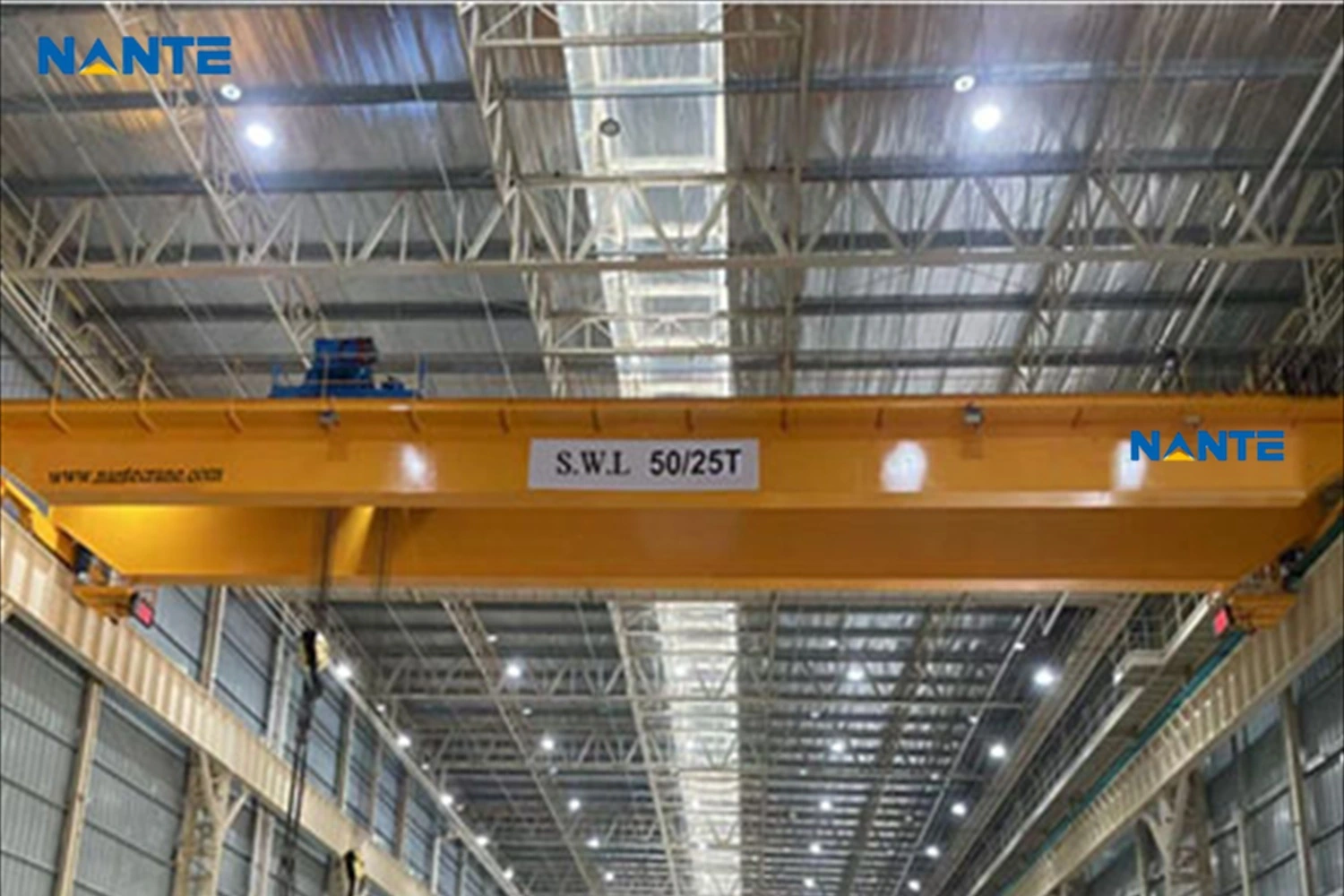
The overhead crane product range shows why configuration matters: single-girder, double-girder, winch, and underhung designs solve different structural and headroom problems. For broader crane price context, compare capacity, span, duty, controls, and project scope.
Duty class drives the lifecycle cost
Duty classification converts use intensity into design requirements for mechanisms, brakes, wheels, bearings, and structure. A crane lifting near rated load every few minutes needs a different margin from one used twice per shift. Buyers should request duty class, design life, load spectrum, and allowable starts per hour. Missing fields may mean the quotation excludes capacity needed for actual use.
Steel and Welding Create the Structural Price Gap
Steel grade, thickness, and traceability
Main girders and end carriages are priced by more than tonnage. Steel grade, plate thickness, stiffeners, deflection limits, corrosion allowance, machining, and tolerances affect material cost and fabrication time. A credible offer identifies the material standard and provides a bill of materials or drawing. Mill certificates and heat-number traceability link delivered plates to the approved design.
The practical test of crane quality is evidence: calculations, weld maps, dimensional reports, and inspection records.
Welding procedure and fabrication control
Welding cost rises when a supplier qualifies procedures, certifies welders, controls temperatures, and performs visual or non-destructive examination where required. Distortion control matters because a misaligned girder can increase wheel wear, skewing, and runway maintenance.
Quotation reviews should ask which welds receive inspection, who records results, how repairs are approved, and whether final geometry is measured. The concern is undocumented inspection rather than low price itself.
Hoist, Motors, and Brakes Affect Performance
Hoist selection is a major cost driver
The hoist package includes the rope system, gearbox, motor, brake, hook block, limits, trolley, and controls. Higher-priced packages may provide higher mechanism class, lower headroom, variable-speed lifting, redundant braking, or easier access to wear parts. A lower-priced hoist can suit low-cycle service if duty, thermal limits, reeving, and brake capacity match the load spectrum.
Ask for the hoist manufacturer and model, mechanism class, motor rating, brake type, rope diameter, hook safety features, and spare-parts list. These details make a quote auditable and prevent an apparently cheap crane from being “upgraded” after order placement.
Motors, gearboxes, and wheels
Travel and hoist motors influence acceleration, heat, energy use, and maintenance. Premium motors may offer better efficiency, insulation, service factors, and encoder feedback. Gearbox quality affects noise, backlash, lubrication, and replacement cost. Wheel material, hardness, diameter, and alignment influence rail wear.
The crane manufacturer should state component brands or approved equivalents, warranty boundaries, and whether replacement units remain available during the planned service life. “International brand” is not a specification until a model, rating, and supply route are identified.

Electrical, Controls, and Safety Devices
Control architecture and protection
Electrical price varies with the enclosure, variable-frequency drives, PLC or relay logic, radio remote, pendant, cable systems, conductor rails, and monitoring. A basic relay panel may suit a simple indoor crane; a process crane may need VFD acceleration, anti-sway, overload protection, fault logging, and plant-control interfaces.
The request should include single-line diagrams, IP rating, short-circuit withstand, grounding, cable and terminal labeling, and local voltage and frequency. Components should be named by model or agreed equivalent to avoid costly troubleshooting later.
Safety functions need testable acceptance criteria
Upper and lower limits, emergency stop, overload limiter, brakes, buffers, collision avoidance, and alarms should appear in the cause-and-effect list. Buyers should define how each function will be demonstrated, the permitted settings, and the records supplied. A low-cost quote that omits a safety device may create redesign, approval, or insurance costs later.
Coating and Environment Protection
Surface preparation is more than paint color
For indoor dry service, a conventional coating may be sufficient. Humid, dusty, chemical, coastal, or outdoor sites need specified surface preparation, primer/topcoat, dry-film thickness, repair method, and inspection record. Stainless or galvanized details may be justified at corrosive interfaces.
The price delta should match environment classification and maintenance interval. Premium coating is wasteful in a clean site; economy coating is false economy when rust forces shutdown.
Testing and Documentation Reveal Hidden Scope
Factory acceptance and load testing
Testing consumes engineering time, calibrated instruments, temporary loads, assembly space, and inspector coordination. A robust plan covers document review, dimensions, no-load operation, hoisting/lowering, trolley and bridge travel, brakes, limits, emergency stop, overload protection, vibration, noise, and heating. Contract-defined tests need acceptance criteria and signed reports.
The FAT testing checklist provides a useful model for checking structure, mechanical parts, electrical parts, function tests, and packing before dispatch. A quote that says “testing included” should identify the test standard, witness option, calibration records, punch-list closeout, and who pays for retesting.
Documentation has operational value
Equipment is easier to install and maintain when handover includes arrangement drawings, foundation/runway loads, wiring diagrams, manuals, inspection certificates, material records, test reports, lubricants, spares, and a maintenance schedule. Missing documents can delay acceptance, training, and repairs.
After-Sales Support and Crane Lifecycle Cost
Compare the cost of downtime
Crane lifecycle cost combines purchase, freight, installation, commissioning, energy, inspections, consumables, repairs, spares, lost production, and replacement. Compare each quotation over the planned service period:
| Cost item | Evidence to request | Why it changes total cost |
|---|---|---|
| Purchase scope | Inclusion and exclusion schedule | Prevents late variations |
| Reliability | Duty class, component ratings, test records | Reduces failures and downtime |
| Maintenance | Intervals, access points, lubricants | Controls labor and consumables |
| Spares | Critical list, lead times, interchangeability | Limits outage duration |
| Support | Warranty, response channel, commissioning scope | Speeds recovery and acceptance |
The lowest initial figure may lose a production review if an unavailable brake, drive, or wheel stops the line. A high-priced option should demonstrate value through longer design life, lower energy use, safer access, diagnostics, or broader service scope.
Verify service capability, not promises
Service terms should identify commissioning responsibilities, training, remote support, inspection intervals, warranty exclusions, response process, and spare-parts ownership. Nante Crane describes a project life-cycle scope covering design, manufacture, transportation, installation, commissioning, maintenance, training, and technical support. The Nante Crane site separates crane products from components, helping buyers define supply boundaries.
A Buyer’s Comparison Checklist
Questions that expose the real cost drivers
Before selecting a supplier, the purchasing team can request:
- Approved drawings and calculations for the stated duty and environment.
- Steel grades, mill certificates, weld procedures, qualifications, and inspection records.
- Hoist, motor, gearbox, brake, wheel, drive, and control-panel model numbers.
- Coating specification, surface preparation, FAT plan, load-test method, calibration certificates, and reports.
- Manuals, wiring diagrams, spares, packing list, installation boundary, training, warranty, and service contacts.
When a cheap overhead crane can be the right choice
A lower-priced crane can be sound when capacity and duty are modest, the environment benign, the design standardized, scope clear, and local maintenance strong. Record intentional omissions and confirm they do not conflict with safety, code, or production.
FAQ: Overhead Crane Quality vs Price
Is an expensive overhead crane always higher quality?
No. Price is meaningful only against a normalized specification and evidence package. A premium quote without traceable materials, test records, or defined support may offer less value than a simpler crane.
What is the fastest way to compare crane lifecycle cost?
Build a five- to ten-year model using purchase scope, energy, maintenance, critical spares, inspection, downtime exposure, and replacement assumptions. Use supplier data rather than generic percentages.
Which documents should be required before shipment?
The contract should define approved drawings, material and welding records, inspection and FAT reports, electrical diagrams, manuals, destination certificates, packing lists, and a spare-parts schedule. Exact requirements depend on destination and application.
Make the Selection Evidence-Based
Build a defensible procurement decision
Overhead crane quality vs price compares risk, service life, and scope as much as purchase price. Steel and welding records protect structure; hoist and drive data protect availability; electrical and safety documentation support acceptance; coating and spares protect lifecycle cost.
For a review, submit capacity, span, lift, duty class, operating hours, load spectrum, environment, power and control method, runway information, destination, standards, installation scope, and service expectations. Nante Crane can use those inputs to prepare a technical and commercial proposal. Start through Contact Nante Crane.