English



How to Calculate Crane Duty Cycle with FEM Duty Class ISO Duty Cycle and Crane Classification Guide
Date: 2026-07-16 Share:
Selecting the correct Crane Duty Cycle is critical for safe, reliable, and cost-effective crane operation. A crane is not selected only by lifting capacity; engineers must also evaluate working frequency, load conditions, service life, and operating environment. Understanding FEM duty class, ISO duty cycle, crane classification, load spectrum, and utilization class helps determine whether a crane can meet actual application requirements. ISO 4301-1:2016 classifies cranes and mechanisms based mainly on working cycles, load spectrum factor, and average displacement.
This guide explains how to calculate crane duty cycle and provides a practical example for crane selection.
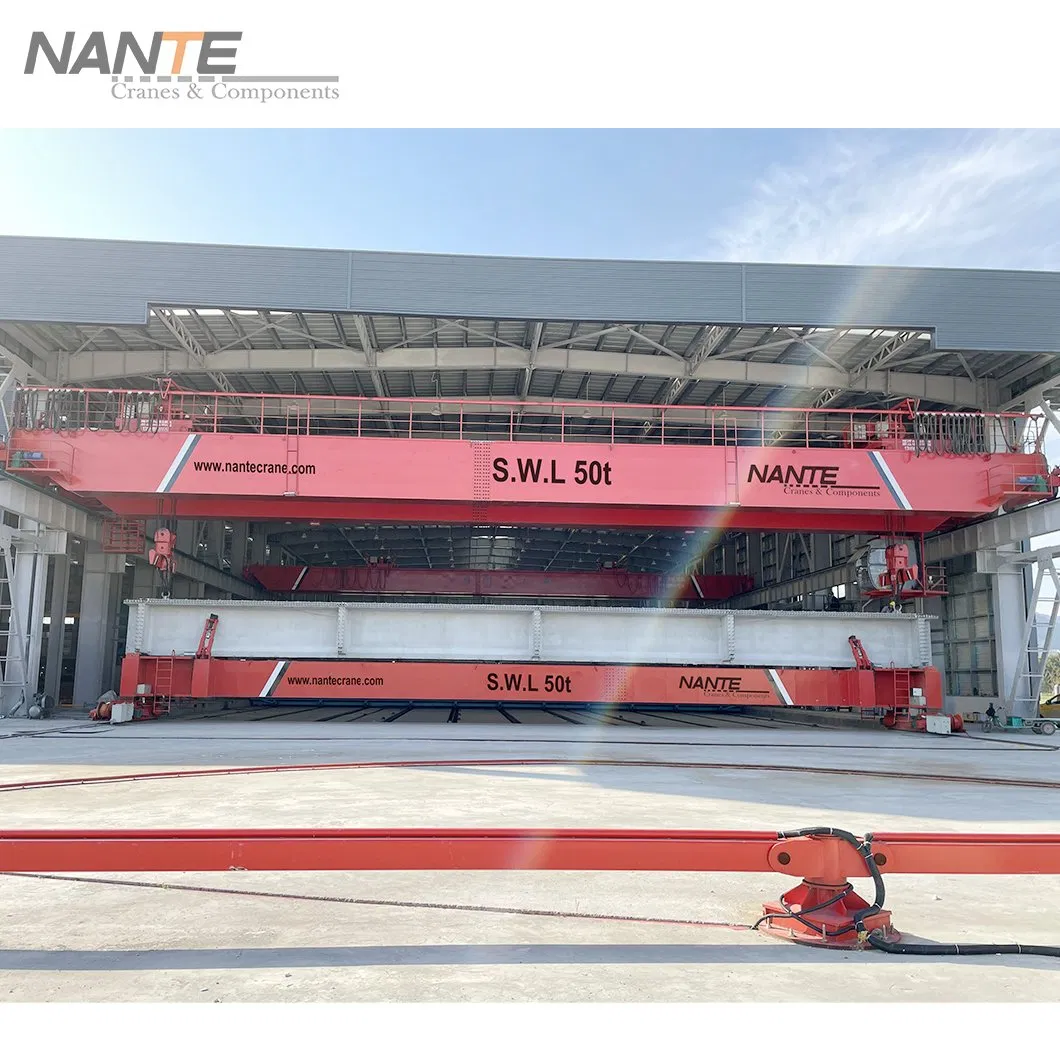
What Is Crane Duty Cycle?
Crane Duty Cycle refers to the working intensity of a crane during its expected service life. It considers how often the crane operates, how heavy the loads are, and how much movement the crane performs.
A 10-ton crane used occasionally for maintenance lifting may require a different classification from a 10-ton crane operating continuously in a production line.
Why Crane Duty Cycle Matters
Correct duty cycle calculation helps prevent:
- Excessive component wear
- Motor overheating
- Frequent maintenance
- Unexpected downtime
- Reduced equipment service life
A crane with an unsuitable duty class may experience higher mechanical stress and increased operating costs.
Crane Duty Cycle vs. Rated Capacity
Rated capacity shows the maximum load a crane can lift.
Crane duty cycle shows how frequently and intensively the crane performs that lifting operation.
For example, frequent lifting at 90% of rated capacity creates much higher stress than occasional lifting at 30% capacity.
Key Factors Used to Calculate Crane Duty Cycle
Load Spectrum
The load spectrum describes the distribution of different loads handled by a crane.
Typical load conditions include:
- Light loads: occasional lifting with low stress
- Medium loads: regular mixed-load operation
- Heavy loads: frequent high-load lifting
- Very heavy loads: continuous near-rated lifting
A crane handling heavy loads frequently requires a higher classification because fatigue and wear increase with load intensity.
Utilization Class
The utilization class represents the expected number of working cycles during the crane’s design life.
A working cycle normally includes:
- Lifting the load
- Moving the load
- Lowering the load
- Returning for the next operation
More working cycles mean higher equipment usage and usually require a higher duty class.
Operating Time and Working Frequency
Important operating data includes:
- Lifts per hour
- Working hours per day
- Working days per year
- Expected service life
- Average lifting height
- Travel distance
For FEM duty class selection, operating time and load spectrum are commonly evaluated together to determine the suitable mechanism classification.
Average Displacement
Crane travel distance also affects duty classification.
Engineers should consider:
- Bridge travel distance
- Trolley travel distance
- Lifting height
- Movement frequency
Frequent long-distance movement increases mechanical workload.
Understanding Crane Classification Systems
ISO Duty Cycle and Crane Classification
The ISO duty cycle method provides a standardized approach for evaluating crane service conditions. ISO 4301-1:2016 uses a cycle-based classification system considering:
- Total working cycles during design life
- Load spectrum factor
- Average displacement
ISO classification helps ensure crane design matches real operating conditions instead of selecting equipment only by lifting capacity.
FEM Duty Class
The FEM duty class is widely used for crane mechanism selection. It evaluates the expected workload by considering:
- Operating time
- Load spectrum
- Frequency of operation
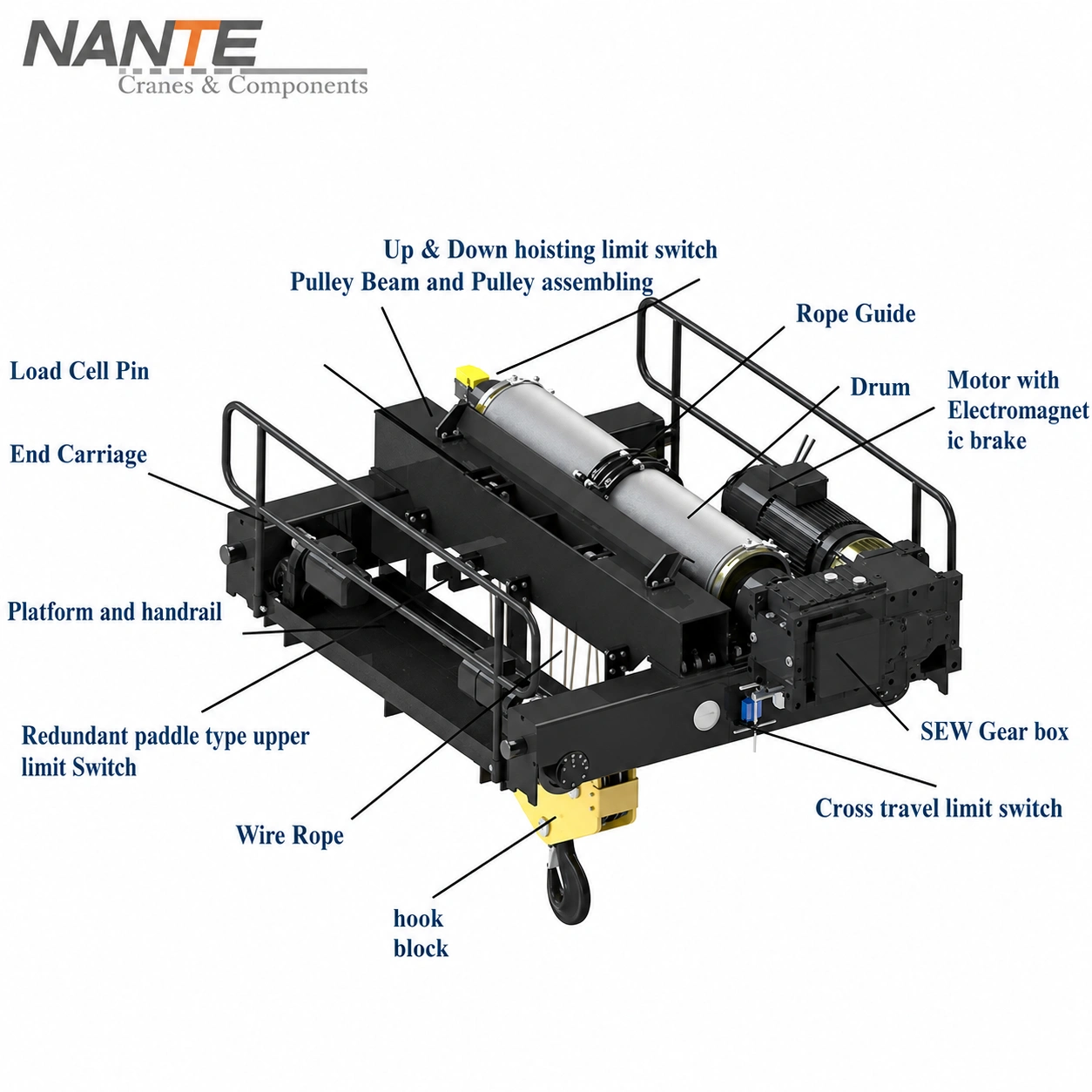
A correct FEM duty class ensures that important components such as hoists, motors, brakes, and gear systems are designed for the required working intensity.
Relationship Between Load Spectrum, Utilization Class and Duty Class
These three factors work together:
- Load spectrum= How heavy are the loads?
- Utilization class= How many cycles will the crane perform?
- Duty class= Overall crane working classification
Higher load intensity combined with higher operating frequency requires a higher duty class.
How to Calculate Crane Duty Cycle Step by Step
Step 1 — Define the Crane Application
First identify the working environment:
- Manufacturing plant
- Warehouse
- Maintenance workshop
- Steel processing
- Heavy assembly
- Logistics operation
Different applications create different workload requirements.
Step 2 — Determine Load Distribution
Example load spectrum:
| Load Range | Percentage of Lifts |
| 0–25% rated load | 40% |
| 25–50% rated load | 30% |
| 50–75% rated load | 20% |
| 75–100% rated load | 10% |
This information helps determine the actual load severity.
Step 3 — Calculate Total Working Cycles
Use the formula:
Total Working Cycles = Lifts per Hour × Working Hours per Day × Working Days per Year × Service Life
The result represents the expected number of crane operations.
Step 4 — Evaluate Utilization Class
Compare the calculated working cycles with the applicable classification requirements.
A crane with more cycles requires a higher utilization class and stronger components.
Step 5 — Select Final Duty Class
The final crane classification should consider:
- Working cycles
- Load spectrum
- Operating hours
- Travel distance
- Environment conditions
- Future production requirements
Crane Duty Cycle Calculation Example
Example Data
A factory requires a crane with:
- Rated capacity: 10 tons
- Lifting frequency: 12 lifts/hour
- Working time: 8 hours/day
- Working days: 300 days/year
- Service life: 10 years
Calculate Working Cycles
Formula:
12 × 8 × 300 × 10
= 288,000 working cycles
This means the crane is expected to complete approximately 288,000 operations during its service life.
Analyze Load Spectrum
Load distribution:
- 40% lifting 2 tons
- 30% lifting 4 tons
- 20% lifting 6 tons
- 10% lifting 9 tons
Although most loads are below maximum capacity, the crane regularly handles heavier loads. Therefore, a basic light-duty crane may not be suitable.
The final duty class should be confirmed according to the selected ISO or FEM classification method.
Common Mistakes When Calculating Crane Duty Cycle
Selecting Only by Lifting Capacity
Capacity does not represent operating intensity. Two cranes with the same capacity may require different classifications.
Ignoring Heavy Load Frequency
Frequent high-load operation creates greater fatigue stress.
Underestimating Future Usage
Production expansion may increase crane workload beyond the original design condition.
Ignoring Working Environment
Dust, humidity, temperature, corrosion, and outdoor conditions can affect crane performance.
How to Choose the Right Crane Duty Class
Light-Duty Applications
Suitable for:
- Occasional lifting
- Maintenance workshops
- Low-frequency operation
Medium-Duty Applications
Suitable for:
- Manufacturing
- Warehouses
- Regular material handling
Heavy-Duty Applications
Suitable for:
- Production lines
- Metal processing
- Continuous industrial handling
Very Heavy-Duty Applications
Suitable for:
- High-frequency operation
- Near-rated load lifting
- Severe working conditions
Practical Checklist Before Requesting a Crane Quote
Prepare the following information:
Application Data
- Lifting capacity
- Lifting height
- Span
- Travel distance
- Indoor or outdoor operation
Duty Cycle Data
- Lifts per hour
- Working hours
- Annual working days
- Service life
- Load distribution
Control and Safety Requirements
- Automation requirements
- Anti-sway requirements
- Monitoring requirements
- Environmental conditions
Modern crane control systems can also support functions such as automation, IoT monitoring, anti-sway technology, and data logging.
FAQ
What is crane duty cycle?
Crane duty cycle describes how frequently and intensively a crane operates throughout its design life.
Is crane duty cycle the same as lifting capacity?
No. Capacity defines maximum lifting ability, while duty cycle defines workload severity.
What is load spectrum in crane classification?
Load spectrum describes how often different load levels occur during crane operation.
What is utilization class?
Utilization class represents the expected number of working cycles during the crane’s service life.
How are FEM duty class and ISO duty cycle different?
ISO duty cycle focuses on service conditions including working cycles, load spectrum, and displacement. FEM duty class is commonly used for mechanism selection based on operating time and load conditions.
Why calculate crane duty cycle before purchase?
Because it ensures the crane structure and components match the actual working environment and expected workload.
Choose the Right Crane Duty Cycle with Nante Crane
Nante Crane provides industrial lifting solutions including overhead cranes, gantry cranes, electric hoists, crane components, and crane control systems. The company develops crane solutions based on international standards and supports customers across more than 50 countries and regions. By evaluating load requirements, operating conditions, and duty classification, Nante Crane helps customers select reliable lifting solutions for different industrial applications.
Contact Nante Crane today to discuss your crane duty cycle requirements and find a suitable lifting solution.