English



Crane Wheel Wear Problems in Overhead Cranes and Their Solutions
Crane Wheel Wear Problems in Overhead Cranes and Their Solutions
Date: 2026-07-02 Share:
Crane Wheel Wear Problems are one of the most common signs that an overhead crane is not traveling correctly. In many cases, the issue is related to the crane travelling mechanism, including wheel alignment, drive synchronization, braking performance, and wheel-to-rail contact. When maintenance teams see wheel flange wear, tread pitting, rail biting, or repeated overhead crane wheel damage, the real issue is often deeper than the wheel itself. This guide explains key crane wheel wear causes and practical crane wheel maintenance solutions for safer, smoother operation.
Why Crane Wheel Wear Problems Should Not Be Ignored
Wheel wear is not just a spare-parts problem. A worn wheel may point to rail misalignment, wheel skewing, uneven loading, drive imbalance, or poor brake adjustment.
If the root cause is not corrected, the same wheel position may fail again after replacement, with noise, vibration, bearing overheating, rail wear, and downtime.
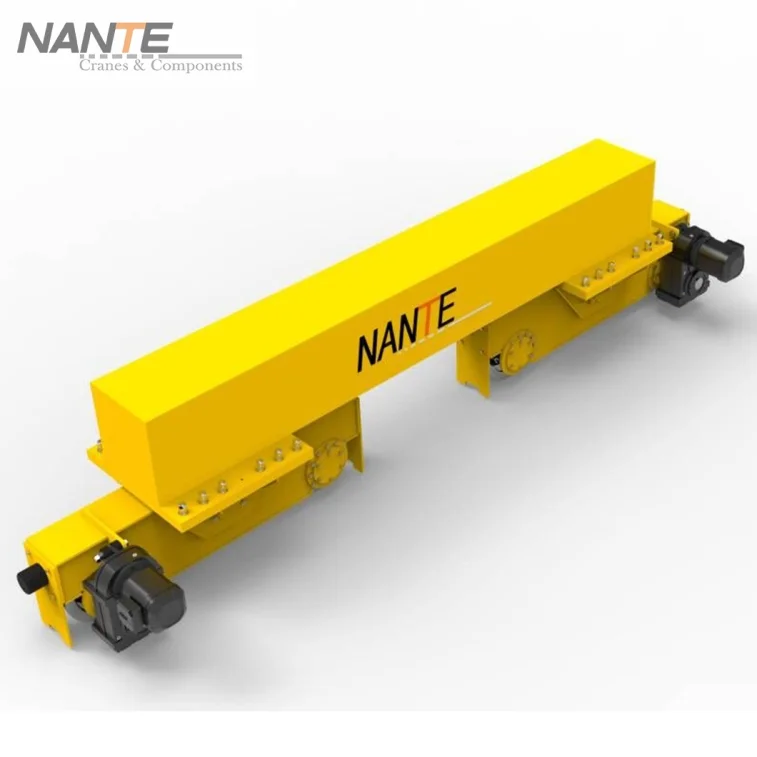
Common Overhead Crane Wheel Damage Patterns
Wheel Flange Wear
Wheel flange wear usually appears as a thin flange, sharp flange edge, polished flange face, or heavy side contact mark. Metal dust may appear near the rail.
This damage often means the flange is being pushed sideways into the rail head. Common reasons include rail misalignment effects, crane skewing, wheel misalignment, wrong spacing, or unequal drive speed.
Compare all wheel positions. If one flange wears faster, record that location and add a fault photo with arrows showing the contact side.
Tread Wear, Pitting, and Spalling
Tread wear appears on the rolling surface. A polished tread may be normal, but deep grooves, pitting, peeling, spalling, or uneven tread width indicate abnormal contact stress.
Possible causes include overload, impact loading, rail damage, wrong wheel hardness selection, poor wheel and rail matching, or slipping during acceleration and braking.
Flat Spots and Skidding Marks
Flat spots happen when the wheel slides instead of rolling. The crane may create rhythmic knocking and repeated vibration.
Typical causes include sudden braking, aggressive acceleration, contaminated rails, uneven brake torque, or poor drive control. Do not stop at wheel replacement. Check rail cleanliness, brake settings, and travel-control behavior.
Crane Wheel Wear Causes: Root Problems Behind the Damage
Rail Misalignment Effects
Rail misalignment effects are among the most common reasons for repeated crane wheel wear. If rails are not straight, parallel, level, or correctly spaced, the crane can skew or bind.
This creates lateral force between the wheel flange and rail. Over time, the flange wears, the rail head is damaged, and end trucks carry abnormal loads.
Inspect rail gauge, straightness, elevation, clips, joints, and rail surface condition. Clean oil, water, scale, and debris because contamination can change wheel behavior.
Wheel Misalignment and Crane Skewing
A wheel must be square to the rail and parallel with the other wheels. If a wheel is angled, the crane may crab along the runway.
Warning signs include one-side flange wear, scraping noise, crane drift, uneven wheel temperature, and repeated bearing failure. Check wheel squareness, end-truck alignment, bridge diagonals, bearing housings, and shafts.
Wheel Hardness Selection
Wheel hardness selection affects service life and rail protection. A wheel that is too soft may wear quickly. A wheel that is too hard or mismatched may increase rail damage or surface fatigue.
Do not select a replacement wheel by diameter only. Review crane duty, load, rail condition, travel speed, tread profile, flange type, material, and heat treatment.
Crane Wheel Maintenance Solutions for Technicians
Inspect Wear Patterns Before Replacing Parts
Before removing a wheel, document the evidence:
- Photograph the flange, tread, bearing area, and rail contact surface.
- Mark the wheel position on the crane.
- Measure tread diameter and flange condition.
- Compare the left and right sides.
- Check whether rail wear appears in the same area.
- Record noise, vibration, skewing, and travel resistance.
This process helps separate normal wear from system-related overhead crane wheel damage.
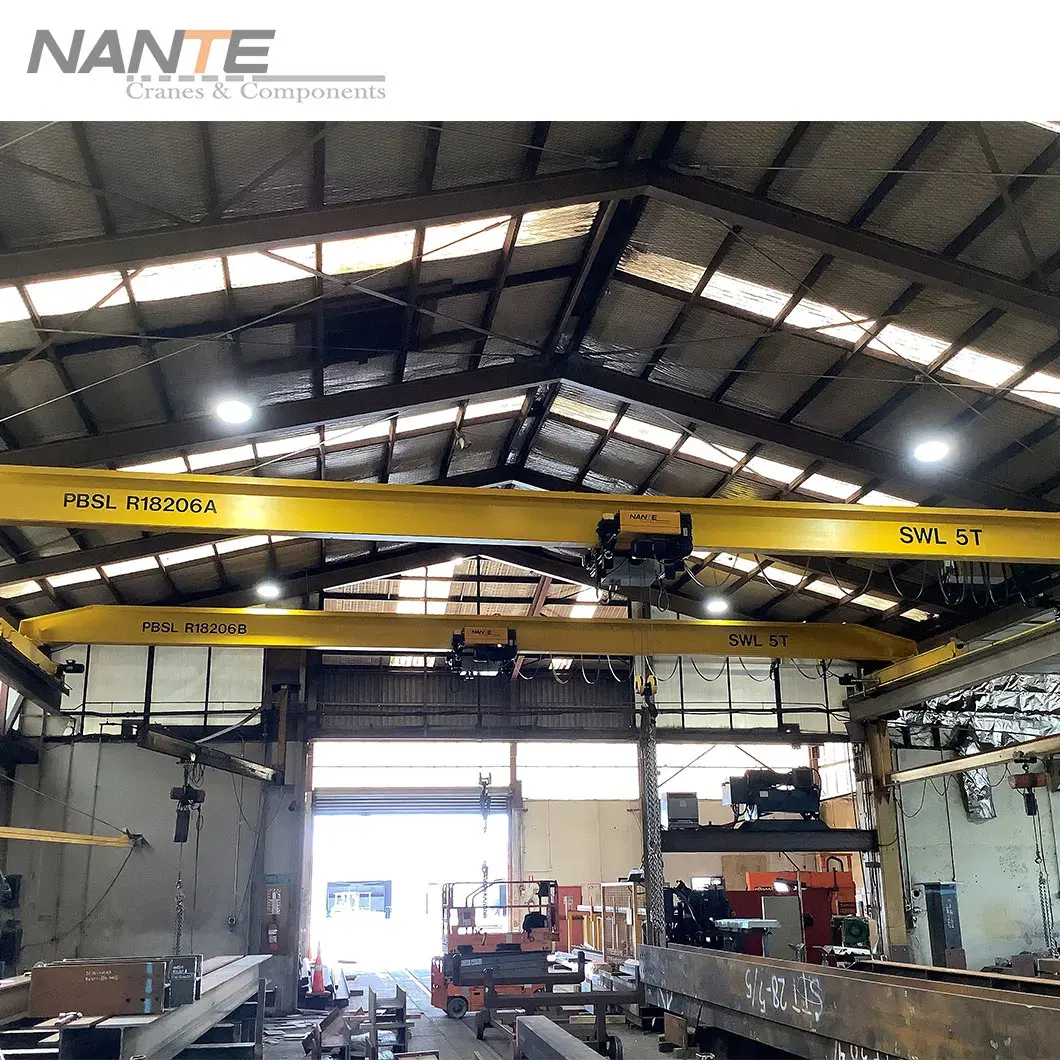
Correct the Root Cause
Corrective action depends on the inspection result. If flange wear appears mainly on one side, check rail alignment, wheel skew, and bridge squareness. If tread pitting appears, check load condition, rail surface, and wheel material.
If flat spots appear, check brake adjustment, acceleration settings, rail contamination, and drive synchronization. If bearings overheat, inspect alignment, lubrication, bearing fit, and wheel load distribution.
Wheel Replacement Guidelines
Useful wheel replacement guidelines should include safety and fit checks. Replace wheels with cracks, severe flange loss, heavy tread spalling, or structural damage. Replace matched drive wheels together when diameter matching is required.
Confirm bore size, shaft fit, keyway, bearing fit, tread width, flange profile, wheel hardness, and rail compatibility. After installation, run the crane unloaded first, then test under controlled load. Recheck fasteners, bearing temperature, travel noise, and wheel-to-rail contact.
Troubleshooting Chart for Crane Wheel Wear Problems
| Wear Pattern | Likely Cause | How to Confirm | Corrective Action |
| One-side flange wear | Rail misalignment or wheel skew | Measure rail gauge and wheel alignment | Realign rail or wheel assembly |
| Both flanges worn | Wrong wheel-to-rail fit or excessive wheel float | Check tread width and rail head condition | Review wheel specification |
| Tread spalling | Overload, impact, hardness mismatch, or rail damage | Inspect load history and rail surface | Select correct wheel and repair rail |
| Flat spots | Sliding during braking or acceleration | Check brake and drive behavior | Adjust braking and smooth control |
| Bearing overheating | Side load, poor lubrication, or misalignment | Check temperature and housing fit | Replace bearing and correct alignment |
Preventive Maintenance Plan
Daily checks should focus on symptoms. Listen for scraping, knocking, and vibration. Watch whether the crane drifts to one side. Look for metal shavings, rail contamination, and unusual travel resistance.
Monthly checks should include wheel flange wear, tread condition, rail clips, rail head wear, bearing temperature, brake response, and travel smoothness.
During scheduled shutdowns, perform deeper checks: rail alignment measurement, wheel alignment, bridge squareness, drive wheel diameter comparison, runway beam condition, and updated maintenance records.
Recommended Fault Photos and Diagrams
Use original fault photos: worn wheel flanges, polished flange faces, spalled tread surfaces, flat spots, rail side wear, metal shavings near the rail, and damaged bearing areas.
Add three diagrams: rail misalignment effects, crane skewing, and a root-cause flowchart from “wheel wear found” to rail check, wheel alignment check, drive check, and replacement decision.
FAQ
What are the most common crane wheel wear causes?
The most common crane wheel wear causes include rail misalignment, wheel misalignment, crane skewing, drive wheel diameter mismatch, harsh braking, rail contamination, incorrect wheel hardness selection, bearing problems, and uneven load distribution.
Why does wheel flange wear happen on one side only?
One-side wheel flange wear usually means the wheel is being forced laterally against the rail. Check rail straightness, rail span, wheel squareness, bridge diagonal dimensions, and drive balance.
Can wheel replacement solve overhead crane wheel damage?
Sometimes, but not always. If the cause is rail misalignment, wheel skewing, drive imbalance, or structural deflection, a new wheel can fail quickly. Diagnose the crane, rail, and drive system first.
How often should crane wheels be inspected?
Operators should watch for abnormal travel behavior during daily use. Maintenance teams should inspect wheels and rails regularly, with deeper checks during planned shutdowns. The interval depends on duty, load, environment, and operating frequency.
Nante Crane provides overhead cranes, gantry cranes, crane components, travel mechanisms, rail-related solutions, and crane control panels for industrial lifting applications. If your maintenance team is facing repeated Crane Wheel Wear Problems, Nante Crane can help review the working condition, crane configuration, wheel and rail requirements, and suitable component solutions for safer operation and lower long-term maintenance cost. Contact Nante Crane today to discuss your crane wheel wear issue and get a suitable maintenance or replacement solution for your overhead crane system.