English


How to Reduce Overhead Crane Operating Costs in Industrial Plants
How to Reduce Overhead Crane Operating Costs in Industrial Plants
Date: 2026-06-12 Share:
Crane operating costs have become a large expense for many industrial facilities. The operating costs of overhead cranes often include high energy costs, routine maintenance, and unexpected down time. As many facilities are looking for ways to decrease crane energy consumption, they are also trying to decrease the maintenance costs of their overhead cranes to increase their operating efficiency. There are many cost effective methods of improving the operating efficiency of overhead cranes including energy efficient products and effective overhead crane maintenance programs.
Read on for ways to cut costs and practical examples of these strategies in action.
Understanding Overhead Crane Operating Costs
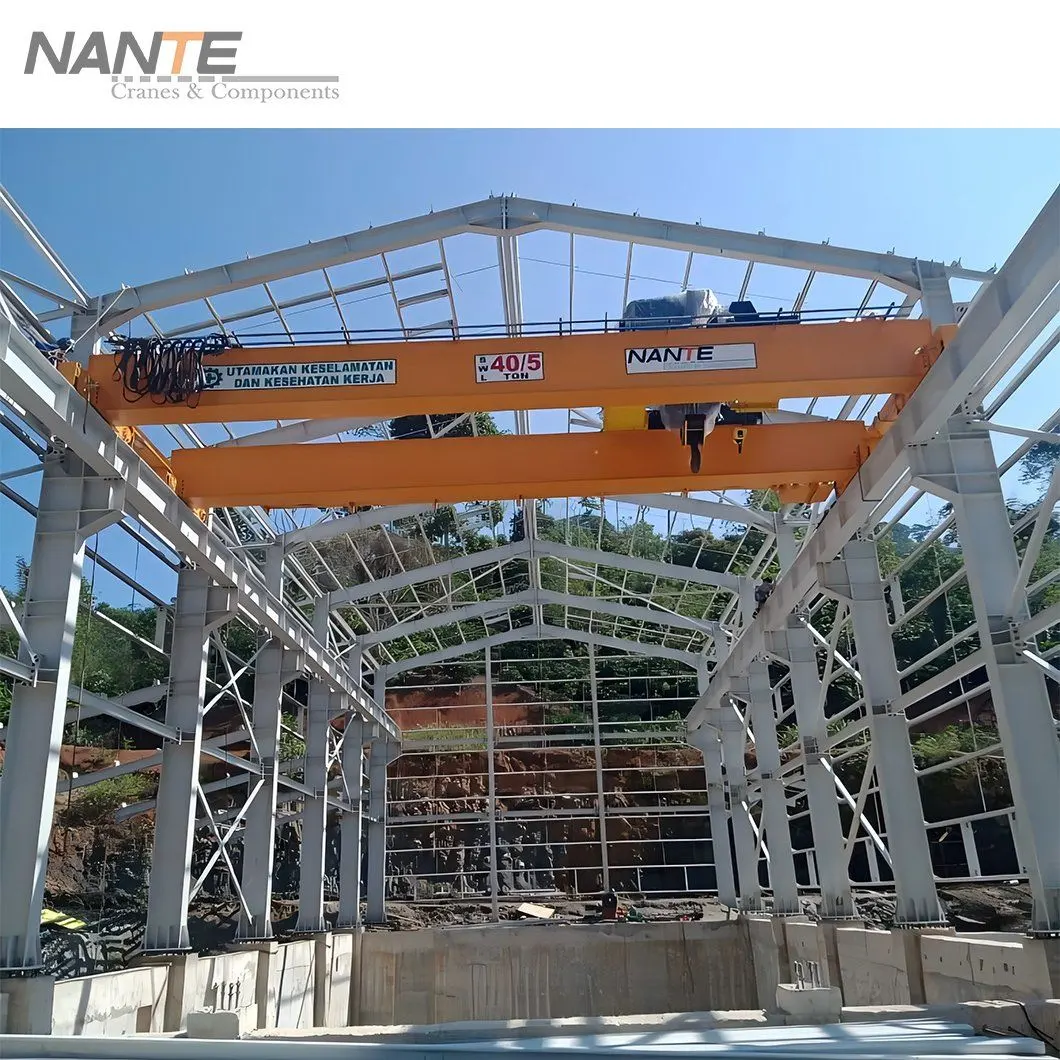
Overhead crane operating costs include a number of key elements that in total can be a significant portion of a plant’s budget.
Energy consumption can be up to 30-50% of the total cost of a crane. Maintenance and repairs also have a big cost, especially when done in a reactive manner resulting in high cost emergency repairs. Downtime is another big loss for production that is often hidden from view. Also the energy consumption of a crane can be reduced by optimizing the way operators work and by reducing mechanical wear and tear.
Poor crane operating efficiency not only raises electricity bills but also increases safety risks and shortens equipment lifespan. Understanding these costs is the first step toward optimization. For instance, a typical mid-sized industrial facility might spend tens of thousands annually on crane-related energy and repairs alone.
Reducing crane energy consumption and overhead crane maintenance costs can yield quick results for facilities tackling these two core areas systematically.
Strategies for Crane Energy Consumption Reduction
Energy is typically one of the largest controllable expense items in the overhead of an overhead crane operation. Reducing energy consumption to decrease the overhead crane operating costs supports green initiatives also.
Economically effective power management strategies can be developed by matching power use with actual load demands, and by making maximum use of energy recovery.
Implementing VFD Energy-Saving Systems
Variable Frequency Drives (VFDs) are one of the most efficient tools for reducing the energy used by cranes. They enable cranes to operate at the precise speed and torque required for specific load conditions, as opposed to operating at full speed 24/7.
By implementing VFDs on your cranes you can expect to achieve 10-30% energy savings dependent on the duty cycles of your cranes plus have smoother starts and stops which in turn reduces mechanical stress on the crane and its associated components. Furthermore extended component life and more precise control of the crane are achieved allowing for more efficient crane operation.
Existing cranes can be retrofitted for installation of energy saving systems. Typically, hoist, trolley and bridge motors can be easily integrated into a VFD system. For example, on a 50 ton crane, a typical $10,000 VFD system can save $3,000 per year resulting in a payback period of 1-3 years.
Additional Energy-Saving Technologies and Practices
Beyond VFDs, several complementary approaches enhance results:
- High-efficiency motors and regenerative braking: The efficient use of energy in load lowering. In addition to the reduced net consumption of around 15% in load lowering, energy is also recovered.
- Operator training: The energy efficient use of machinery through smooth operating techniques is taught. This prevents energy from being wasted through sudden start-ups and shutdowns.
- Real-time energy monitoring.
- Lubricate and maintain proper alignment: Reduce friction to save money right away.
Combining these simple techniques leads to total energy savings of 15-30% in typical workshops.
Overhead Crane Maintenance Cost Reduction Through Preventive Strategies
The challenges of overhead crane maintenance cost reduction are increased due to the characteristic reactive maintenance with its typical emergency repair. Such emergency repair is costing 4-5 times as much as planned maintenance work. Preventive maintenance leads to reliable cost savings and to an efficient use of the crane.
Preventive Maintenance Strategies
A good preventive maintenance regime is usually scheduled based on the ‘running hours’ of use and then completed as required between services based on manufacturers guidelines to ensure a planned inspection and service is undertaken in good time.
Key elements include:
- Operator performs routine visual checks on an on going basis to identify obvious problems such as worn rope or unusual noise.
- Conduct weekly and monthly detailed inspections to check lubrication, brake settings and electrical connections etc.
- Annual comprehensive Overhaul including verification of structural & alignment parameters.
Following a numbered checklist ensures consistency:
- Inspect wire ropes, hooks, and attachments.
- Check and lubricate moving parts.
- Test brakes and limit switches.
- Verify electrical systems and controls.
- Document findings for trend analysis.
Extended equipment life, fewer unexpected failures and lower maintenance cost of 18-25% whilst improving safety.
Reducing Crane Downtime
Downtime on cranes can be very expensive. By implementing both preventive maintenance and predictive activities, it is possible to effectively reduce the losses that result from crane downtime. The costs can be hundreds or even thousands of dollars per hour of lost time.
Installing vibration and temperature monitoring sensors (IoT-enabled predictive maintenance), keeping a critical stock of spare parts, training personnel to recognize early faults, and modernizing outdated systems.
One facility that implemented a structured program saw up to 40% reduction in downtime at this facility which translates to significant increase in productivity at reduced costs.
Boosting Crane Operating Efficiency for Overall Cost Savings
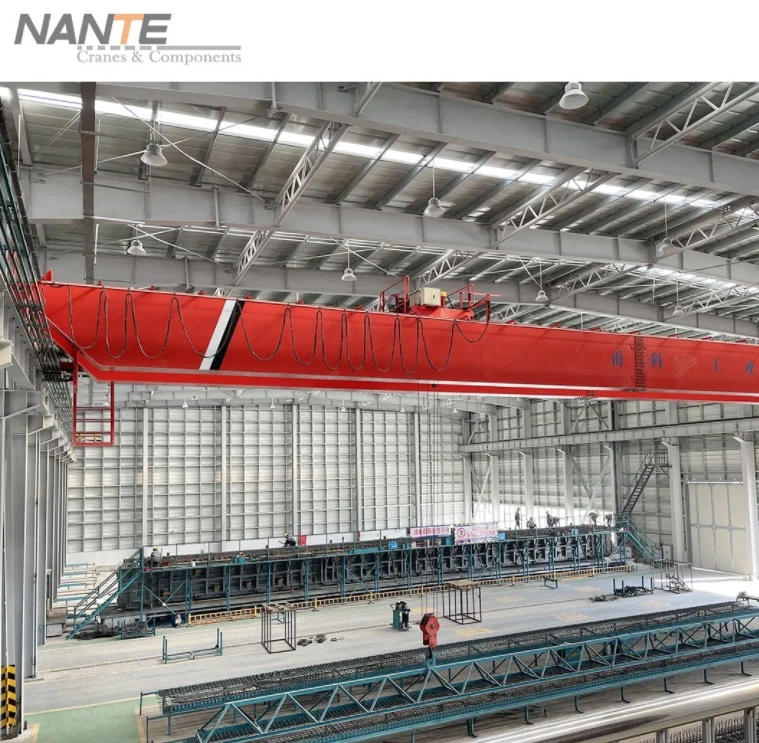
Improved crane operating efficiency yields energy savings and reduced maintenance, both of great value in their own right, but of even greater value when combined.
Examples of potential operational improvements are better load planning, better travel routes and more optimal use of crane duty cycles in line with production requirements.
Operator Training and Best Practices
Skilled operators are a major factor in efficiency. As part of your training programs for the use of overhead cranes precise load handling, smooth speed control and energy efficient operation should be explained to the operators in more detail. Well-trained teams reduce mechanical stress and energy waste and the number of accidents, thus supporting measures for cost reduction of the maintenance of overhead cranes.
Modernization and Upgrades
Refurbishing older cranes with up-to-date controls, latest model VFDs and optimum parts generally will provide better ROI than to fully replace a crane. In houses with many cranes it is very helpful to use standardized parts. In such cases maintenance and the needed spare parts are much easier to manage.
Real-World ROI Examples and Energy-Saving Case Studies
Quantifiable results demonstrate the value of these strategies.
A manufacturing plant replaced the drives of some of their cranes with VFDs and installed high-efficiency motors on them. This saved 20% power. The payback time was less than 2 years.
The operation of a steel mill with regenerative braking leads to a saving of 15% in total energy and to lower mechanical wear and thus to lower maintenance cost.
This example supports a comprehensive strategy of preventive and predictive maintenance. Unplanned down time was reduced by 35-45% and maintenance expenditures decreased by 18-25%. The example calculates hundreds of thousands of dollars in annual savings and indicates an ROI of over 500% for some of the preventive maintenance examples.
Before-and-after metrics often show:
- Energy costs: 15-30% reduction · Maintenance expenses: 20%+ lower · Downtime: 30-50% decrease · Overall operating cost savings of 15-25% in the first few years.
Implementing a Comprehensive Cost Reduction Plan
A successful plan follows these steps:
- Complete an audit of the current energy usage of your cranes and review maintenance records and downtime incidents.
- Energy quickly (VFDs) and Preventative Maintenance.
- Measure KPIs such as kWh per operating hour and mean time between failures.
- Train staff and establish ongoing monitoring.
- Review and adjust quarterly for continuous improvement.
Upfront investment could be addressed by implementing the efficiency measures on a phased basis and taking advantage of efficiency incentives currently available.
Partner with Nante Crane for Optimized Solutions
Nante Crane is specialized in designing and manufacturing high quality overhead cranes and crane parts. Our innovative solutions for overhead cranes are characterized by light self weight, energy saving and high efficiency. Our product range includes single girder overhead cranes, double girder overhead cranes and underhung overhead cranes. We help production sites from over 50 countries to save investment costs and to increase productivity in a cost efficient way while using minimum amount of energy. Our overhead cranes are safe, reliable and are tailored to your specific needs. We are happy to provide you with customized cost-reduction solutions.
FAQ
What are the main contributors to overhead crane operating costs?
Energy consumption, maintenance/repairs, and downtime are the primary factors, often totaling significant portions of plant budgets.
How much can VFDs save energy for your crane applications?
Typically 10-30% for conventional applications. In addition, VFDs are able to provide regenerative braking systems which can also save energy.
What does a good preventive maintenance schedule look like?
It includes daily checks, weekly/monthly inspections, and annual overhauls, focusing on lubrication, brakes, ropes, and electrical systems.
How quickly can one see a ROI from a crane upgrade?
In many facilities one can see a payback for crane upgrades in 1-3 years due to combined energy and maintenance savings.
Can older cranes be modernized for better efficiency?
Yes, retrofitting with VFDs, efficient motors, and controls extends life and improves performance cost-effectively.