English


Crane Rails and Rail Systems: Design, Installation, Wear, and Replacement Guide
Crane Rails and Rail Systems Design, Installation, Wear, and Replacement Guide
Date: 2026-05-28 Share:
Crane rails and rail systems act as key parts for overhead cranes and gantry cranes in factories around the world. These special paths hold heavy weights. They also guide exact crane paths. Engineers and upkeep workers depend on good crane rail system plans. They need right setup. They require active wear checks. And they want prompt swaps. All this keeps safety high. It boosts work speed. And it lengthens use time.
What Are Crane Rails and Rail Systems?
Definition of crane rail systems in overhead and gantry cranes
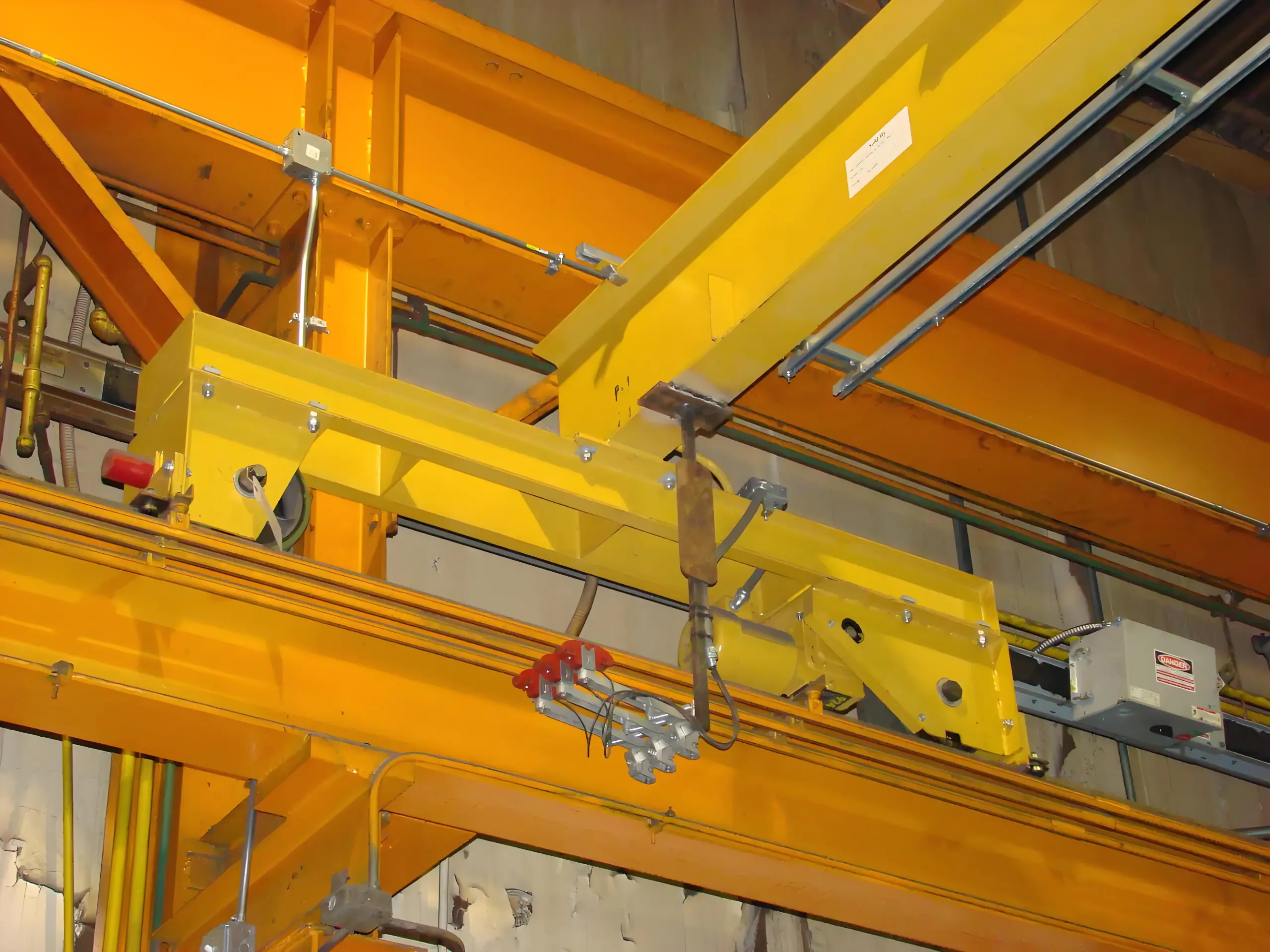
Crane rail systems include special steel paths. These paths hold and direct the path of crane bridges, trolleys, and hoists. In overhead cranes, workers mount these rails on runway beams below the building frame. In gantry cranes, teams often set them on ground bases or raised beams. The setup joins rails, hold-down parts, cushions, and braces. It deals with many heavy-weight runs in tough factory spots.
Functions of crane rails in load-bearing and guidance
Crane rails do two main jobs. First, they carry straight-down wheel weights from the crane. They spread these forces to the hold-up frame. Second, they give side direction. This keeps the crane in line as it moves. Good weight spread cuts bend. Smooth tops lower rub and power use. These jobs affect crane steadiness. They touch place accuracy. And they shape full work trust.
Differences between crane rails and standard railway rails
Crane rails stand out a lot from standard railway rails. Crane rails face focused spot weights from wheels. They do not get spread-out train weights. They need more hardness and set shapes to fight roll touch wear. Crane rail systems stress exact line-up and few joins. This gives even paths at slow speeds. Railway rails fit high-speed and spread traffic instead.
Common crane rail materials and profiles (QU, A, DIN rails)
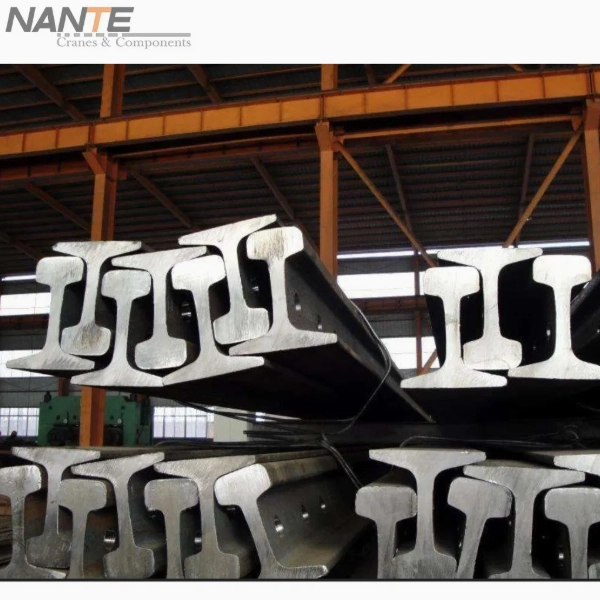
Manufacturers produce crane rails from strong steels like U71Mn for good wear fight. Usual shapes cover QU series (QU70, QU80, QU100, QU120) from Chinese GB rules. And A series (A45 to A150) come from DIN 536 rules. Plants use S355 flat bars, square bars, and P-type rails for light jobs too. Choice hinges on crane size, work rate, and place conditions. Nante Crane offers a full line of these shapes. It includes matching add-ons like rail clamps, fishplates, and rubber pads.
Crane Rail System Design Considerations
Load calculation and wheel pressure distribution
Designers start with true weight counts. These include still crane mass, raised weight, move factors, and hit extras. Engineers figure top wheel push with math rules. These rules look at touch spot between wheel and rail top. Right spread stops local heavy spots. That slows wear on both parts.
Rail section selection based on crane capacity
Engineers pick rail parts by crane weight limit, wheel size, and run times. Big QU120 or A150 shapes fit heavy, hard-work uses. Lighter parts suit small cranes. The pick weighs bend power, touch push, and cost fit for the work pattern.
Track span, alignment, and structural support requirements
Design groups set best track length and brace gaps to hold bend under top weight. Runway beams give firm hold. They keep line-up too. Engineers think about post gaps, beam strength, and base steadiness. This stops long-run line issues.
Thermal expansion and rail stress management
Steel grows and shrinks with heat shifts. Designers figure grow gaps with the heat grow rate (about 0.000011 mm/mm/°C). They use hoped heat changes too. Slide clips or smart join spots handle moves. They avoid extra push or bend.
Crane rail fastening systems (clips, welding, bolts)
Hold-down setups have bolt clips for change ease. They include weld links for even paths. And they use mix ways. Clips with rubber cushions take shake and let heat moves. Welding gives steady paths. But it makes later upkeep hard. Pick relies on reach, weight moves, and upkeep views.
Crane Rail Installation Process Explained
Foundation preparation for crane rail installation
Right base work sets long steadiness. Groups even out concrete or steel beams to close limits. They set anchor bolts or base plates true. Clean tops and right heights stop later line troubles.
Rail alignment and leveling techniques
Setters use laser line tools, exact levels, and string marks for true spots. They check side-by-side, height, and straight many times in placing. Care here cuts future wear a lot.
Welding vs bolted fixing methods in crane rail installation
Weld sets make no-join path tops. But they need skilled work and after-weld smooth. Bolt or clip setups let easy change and swap. Many plants like clip setups for upkeep in heavy factory places.
Rail joint treatment and gap control
Joins get close care with fishplates or welding. Groups watch gaps by set heat and hoped heat span, often a few mm. Slant or step joins cut wheel hits.
Installation tolerance standards and inspection methods
Rules like CMAA Spec 70 and ISO 12488 set limits for length, height (±3/8 inch total), straight, and rail-to-rail gaps. Groups do full after-set checks with laser gear before start-up.
Common Crane Rail Wear Types and Causes
Wave wear on crane rails and its causes
Wave wear shows as wavy marks on the rail top. Often, start stops, brake, and shake under weight cause it. Echo and uneven wheel weights speed the mark build.
Edge wear caused by wheel flange contact
Edge wear, or rail bite, comes from wrong line, crane tilt, or bad gauge. Wheel sides rub rail edges. This makes bright lines and rough spots. Such wear cuts rail time. It raises power use too.
Rail head pitting and surface fatigue damage
Pits and chips grow from roll touch wear under many high pushes. Tiny cracks start under and spread. They cause stuff to peel. Low hardness or too much weight make this worse.
How uneven wheel load accelerates rail wear
Uneven weights from frame bend, unmatched wheels, or bad line make high spot pushes. These areas wear quick. They start more system woes.
Effects of misalignment and poor lubrication on rail life
Wrong line ups side forces and rub. Bad oil lets metal touch metal. That makes heat and speeds wear. Together, these cut use time sharp.
Crane Rail Inspection and Maintenance Practices
Daily visual inspection methods for crane rails
Workers look for clear harm, loose holds, odd sounds, and top odd spots in daily runs. Spotting early stops small woes from growing.
Measuring rail straightness and alignment accuracy
Upkeep groups use laser followers or exact tools now and then. They measure drifts in straight, level, and gauge. Steady checks track wear paths.
Monitoring rail joint condition and fastening stability
Checkers look at joins for gap shifts, steps, breaks, and clip tight. Loose holds show shake or move woes. They need fast fix.
Preventive maintenance strategies for rail systems
Set plans hit base causes. They do line checks, hold re-tight, and weight watch. Active ways lengthen system time much.
Lubrication and corrosion control considerations
Right wheel-rail oils cut rub in dry spots. In rust places, guard coats and steady clean keep rail wholeness.
Crane Rail Repair and Replacement Guide
When to replace crane rails (wear limits and failure signs)
Swap comes when top wear beats maker limits (often 3-10 mm by shape). Cracks show. Or work drops even with upkeep. Too much sound, shake, or safety risks also call for swap.
Partial rail repair vs full rail replacement
Local grind or weld fixes fit small harm. Wide wear or many bad spots usually need full part or path swap for even work.
Step-by-step crane rail replacement process
Groups follow safety steps like lockout/tagout. They take off old rails. They check braces. They set new parts. They line them true. They hold them firm. And they test under weight. Team work cuts stop time.
Upgrading crane rails for higher load capacity
Upgrades use heavier shapes, better stuff, or strong hold systems. Teams do this when raising crane weight or work class.
Safety considerations during rail replacement work
Staff set fall guards, frame props, and right lift gear. After-swap tests check line and weight hold before back to work.
Nante Crane specializes in high-quality crane components, including durable crane rails (QU and DIN series), rail clamps, fishplates, and rubber pads designed for reliable performance in overhead cranes, gantry cranes, and various industrial applications. With extensive expertise in crane systems, Nante Crane provides engineering support, quality products, and comprehensive services to help facilities optimize crane rail design, installation, and maintenance programs for enhanced safety and efficiency.
Contact Nante Crane today for expert consultation on your crane rail system needs. Explore their complete range of crane components and services.
FAQ
What are the main types of crane rails used in overhead cranes?
Common types include QU70 to QU120 and DIN A45 to A150 profiles, selected based on load and application requirements.
How often should crane rails be inspected?
Daily visual checks combined with periodic detailed measurements (quarterly or semi-annually) depending on usage intensity.
What is the typical wear limit for crane rail replacement?
Limits vary by profile but generally range from 3 mm to significant head height loss where structural integrity or performance is compromised.
What is the difference between welded and bolted crane rail installation?
Welded offers smoother travel but less flexibility; bolted or clipped systems provide easier maintenance and adjustment.