English


Why Conductor Rails Are Essential for Crane Electrification
Why Conductor Rails Are Essential for Crane Electrification
Date: 2026-05-22 Share:
Conductor rails for crane electrification offer a practical and effective way to supply steady electrical power to cranes that move. These setups make sure that overhead cranes, gantry cranes, and other equipment for lifting in industry run well. They avoid the problems of old cable methods. Companies in making things, steel work, ports, and storage places depend on crane conductor rail systems. This helps keep good output and safe work. The piece covers what conductor rails mean, how they function, their main benefits, and ways to pick the right crane electrification setup for certain jobs.
What Are Conductor Rails in Crane Electrification Systems?
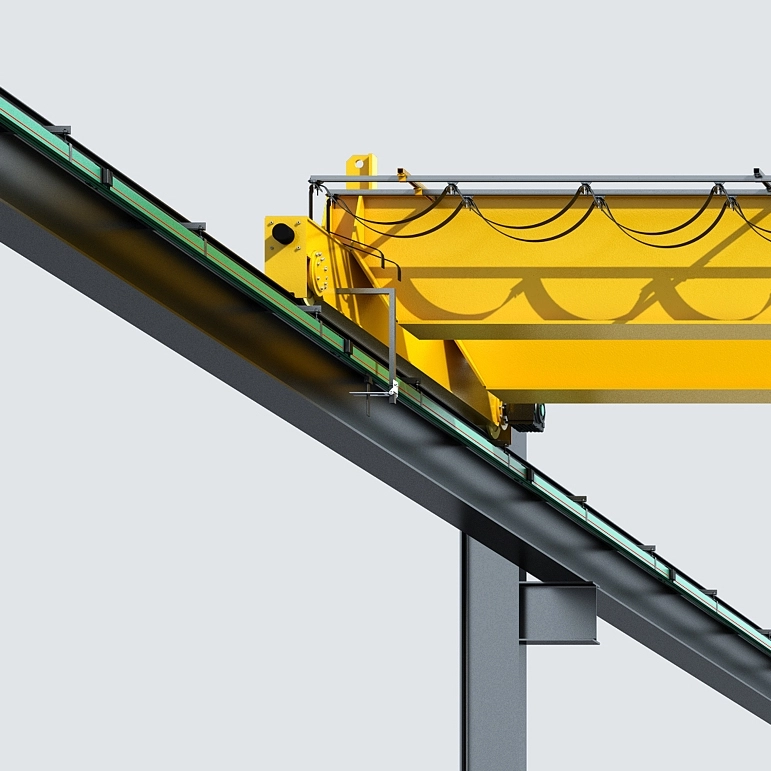
Conductor rails act as steady paths for power that give electricity to cranes. The cranes travel along their tracks or spans. Crane workers and experts set up these systems along the full path of the crane. This setup lets cranes go far while getting firm power without breaks.
Basic Structure of a Crane Conductor Rail System
A common crane conductor rail system goes next to the crane runway or bridge. The rails attach firmly to the building frame or crane beam. Power takers fixed to the crane bridge or trolley keep rubbing touch with the rails. This arrangement aids both long trips and side trips in overhead cranes and gantry cranes. The build deals with different lengths and work loads that happen in factory spots.
How Conductor Rails Deliver Continuous Power to Cranes
Conductor rails operate on a basic but strong idea. Set conductor bars hold electrical flow along the whole route. Moving power takers rub on these bars. Thus, they pass power to the crane’s motors and controls. This rubbing touch keeps smooth electricity flow. It works even when the crane speeds up, goes fast, or turns. The system cuts the need for the crane to halt for power links.
Main Components: Conductor Bars, Collectors, and Insulation
The key parts cover conductor bars from copper or aluminum for good flow of current. Power takers use carbon brushes or shoes. These press on the bars for sure contact. Insulation covers guard the active parts from dirt, water, and chance touches. Extra items like end caps, growth joints, and supports finish the system. They also make sure of right line-up and handling of heat growth.
Why Conductor Rails Are Essential for Crane Electrification
Cranes in factory settings do repeated lift and move jobs. These tasks need steady power all the time. Any stop can cut output and make safety issues. Conductor rails fix these needs well.
Continuous and Stable Power Supply
Conductor rails give non-stop power during all crane moves. Unlike setups that might make the crane wait or pull back cables, these rails keep even voltage and current. This firmness stops strain on motors. It also aids exact control in lift work.
Improving Crane Mobility and Operational Efficiency
The build lets cranes reach faster speeds and go longer ways without power limits. Workers see easier start and stop, which cuts time for load and unload cycles. This better work leads to more output in full places.
Supporting High-Duty Industrial Applications
Tough jobs in steel mills, storage, ports, and making plants gain from the high current hold of conductor rails. These systems manage hard work loads and long track lengths. They keep work in tough spots.
Key Advantages of Conductor Rail Systems Over Traditional Cable Systems
Conductor rail systems do better than festoon cables and cable reels in many factory cases. The match shows clear work gains.
Lower Maintenance Requirements
Conductor rails face less wear from machine action. This is because they skip repeated cable bends and pulls. Checks mainly look at taker brushes. Technicians can swap them fast. This way cuts total care time. It compares to festoon setups that need often cable looks.
Enhanced Safety for Operators and Equipment
Closed builds hide live conductors. They cut the chance of electric shock or short paths. The safe cover stops chance touch. It also lowers show to live parts in care or daily work.
Better Durability in Harsh Industrial Environments
The closed make fights dust, water, rust, and heat changes. This strong build fits conductor rails for inside shops and outside port jobs. There, old cables might break down quicker.
Reduced Energy Loss and Downtime
Firm rubbing touch cuts electric fight and voltage fall over far ways. Less stops mean less surprise down time. It also means more even crane work.
Types of Conductor Rails Used in Crane Systems
Various kinds of conductor rails fit different crane uses and work conditions.
Enclosed Conductor Rail Systems
These multi-pole setups have a guard plastic cover over the conductors. They suit shop cranes and normal overhead cranes. There, dirt guard and small setup count. Current levels often go from 50A to 240A.
Single Pole Insulated Conductor Rails
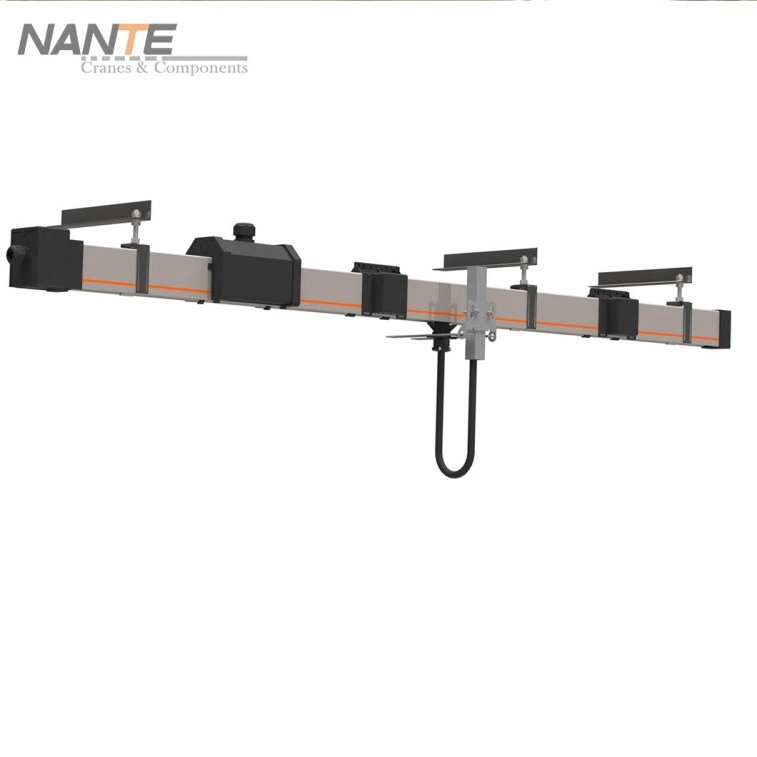
Single pole builds back higher current holds. These often run from 250A to 1250A. They fit big overhead cranes and gantry cranes. These need much power for heavy loads.
Seamless Conductor Rail Systems
Seamless rails give steady conductors without joins. This makes smooth power pass and cuts sparking. These setups help high-steady jobs that need even work.
Heavy-Duty Conductor Bars for Port Cranes
Heavy-duty bars manage high amps and outside show. They back container lift gantry cranes and shipyard gear. There, long trip ways and strong builds matter.
Safety Features of Modern Crane Conductor Rail Systems
Safety stays a main goal in crane power setups. New conductor rail systems add many guard parts.
Insulated Designs for Electrical Protection
Closed covers fully hide live parts. They give finger-safe guard. This build stops chance touch by workers or items near the crane path.
Current Collectors and Safe Power Transfer
Takers keep steady push on the bars for sure contact. Ground links help handle fault currents. This boosts full system safety.
Preventing Electrical Failures and Downtime
Sealed builds block dust, water, and junk that might make shorts or sparking. Firm contact cuts sparks and lengthens part life.
Compliance with Industrial Safety Standards
Good systems match world safety rules for crane work. Right setup and regular checks add to rule follow and worker guard.
Applications of Conductor Rails in Different Industries
Conductor rails fit many factory settings.
Manufacturing and Steel Plants
Steel mills use long track cranes in hot and dirty spots. Conductor rails give the steady power for sure material move.
Ports and Container Handling Facilities
Outside gantry cranes and port gear gain from heavy-duty conductor rails. These stand weather show and back fast container moves.
Warehouses and Automated Systems
Auto overhead cranes and work station cranes join well with conductor rails. This aids exact, good work in move places.
Heavy Machinery and Assembly Lines
Build lines count on conductor rails for fast trips and steady power pass. This backs matched make steps.
How to Choose the Right Conductor Rail for Your Crane System
Right pick makes sure best work and long life.
Current Capacity and Voltage Requirements
Experts must match amp levels and voltage to the crane’s motors and work load. Copper conductors give better flow. Aluminum offers cheap choices for many jobs.
Environmental Conditions and Installation Space
Inside setups may use normal covers. Outside or rust spots need higher IP levels and special stuff. Open space sways if small closed rails fit best.
Crane Travel Length and Duty Cycle
Longer trip ways need setups with small voltage fall and right growth plans. High work loads call for strong takers and lasting parts.
Importance of Reliable Manufacturers and Technical Support
Picking skilled makers makes sure good parts, right custom, and ongoing tech help for setup and care.
FAQ
What is the difference between conductor rails and festoon systems?
Conductor rails use set bars with rubbing takers for long trips and low care. Festoon systems use bendy cables on trolleys. These can knot or wear quicker in long use.
Are enclosed conductor rails safer for overhead cranes?
Yes. The closed cover guards live parts from touch and outside factors. This cuts electric risks a lot.
How long do crane conductor rails last?
With right setup and care, these systems can last many years. They often go past the life of festoon cables. This comes from less machine stress.
Can conductor rails be used outdoors?
Yes. Heavy-duty and weather-strong models work well in ports and outside gantry crane jobs.
Which industries use crane conductor rail systems most?
Steel plants, ports, storage, making spots, and auto make lines often count on these systems.
Upgrade Your Crane Electrification System with Reliable Conductor Rails
Nante Crane stands as a leading manufacturer of cranes and crane components with more than 30 years of experience. The company offers a comprehensive range of mobile power supply solutions, including HFP series enclosed conductor rails (50A-240A), NSP series unipole conductor rails (250-1250A), and other systems tailored for overhead cranes, gantry cranes, and various industrial applications. With strong customization capabilities, technical support, and global service, Nante Crane delivers high-quality, safe, and efficient crane electrification equipment to meet diverse operational demands. Contact Nante Crane today for expert consultation and tailored solutions.