English


How Does a Crane End Carriage Affect the Performance of a Crane?
How Does a Crane End Carriage Affect the Performance of a Crane
Date: 2026-04-24 Share:
A crane end carriage plays an important role in the overall performance of an overhead crane. Engineers and procurement teams often study how an end carriage influences crane efficiency and what the crane end carriage function and impact mean during actual operations. The crane end carriage supports the bridge structure. It drives horizontal travel along the runway rails. It also distributes loads evenly. Its design directly affects traveling speed, stability under load, positioning precision, and operational smoothness in steel plants and warehouses.
 What Is a Crane End Carriage in a Crane System?
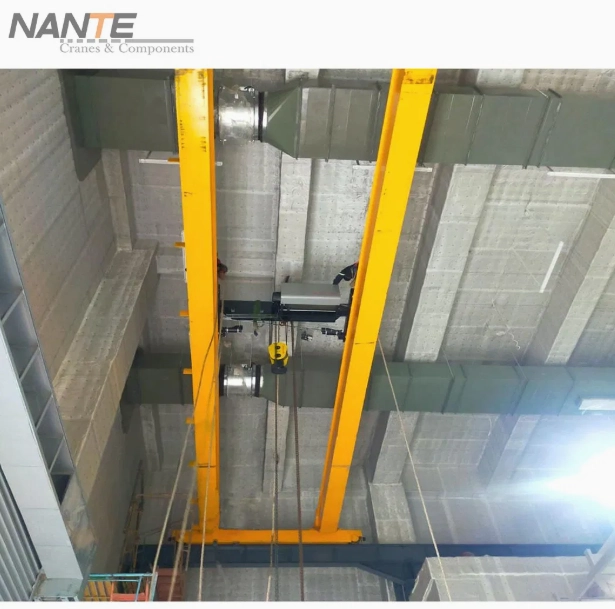
A crane end carriage forms the basic traveling mechanism at each end of an overhead crane bridge. The crane end carriage connects the main girder to the runway rails. It enables controlled long-travel motion. Engineers design the crane end carriage to handle vertical loads from the lifted weight and horizontal forces during acceleration or braking.
Components of a Crane End Carriage
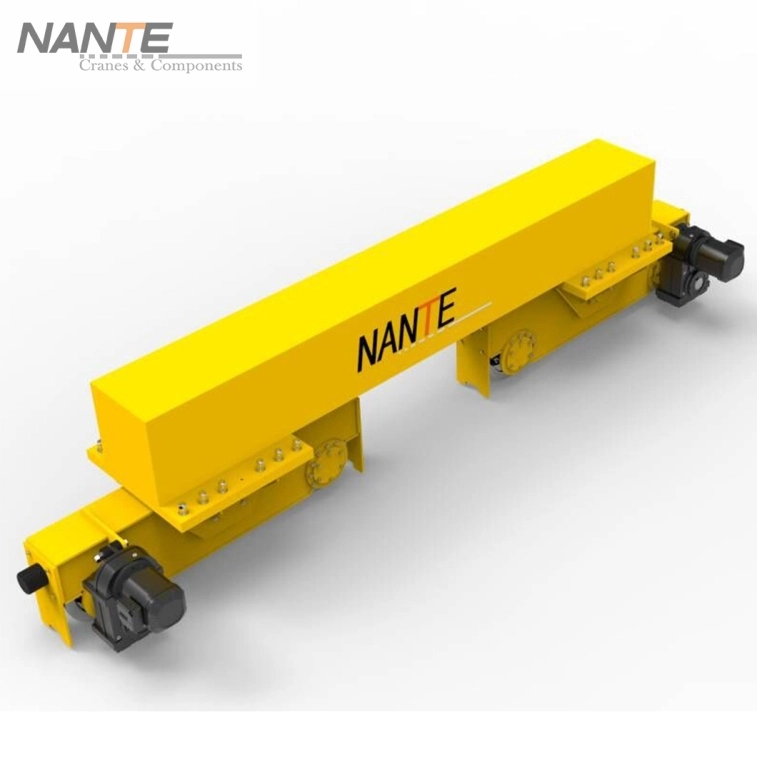
The crane end carriage consists of several integrated parts that work together. The frame provides the main structural support. It is often built as a welded box-type or reinforced design for high rigidity. Wheels, typically made from alloy steel with proper heat treatment, ensure durable contact with the rails and reduce wear. The drive system includes gear motors with features such as IP55 protection, F insulation class, and IE3 energy efficiency. Inverter control allows smooth acceleration and braking. Connection points securely attach the crane end carriage to the bridge girder. These points transfer loads effectively.
These components enable the crane end carriage to function as both a support and a propulsion unit. The rigid frame resists deformation. Precision-machined wheels and axles maintain alignment during movement.
Role of the Crane End Carriage in Crane Travel Motion
The crane end carriage enables the entire crane to move horizontally along the runway. It transfers the weight of the bridge, trolley, and load to multiple wheels. This action ensures even distribution across the rails. Hollow shaft or open gear designs in the crane end carriage convert motor torque into reliable travel motion. This setup supports long-travel speeds up to 32 m/min and cross-travel speeds around 20 m/min in typical single girder overhead cranes with capacities from 1t to 20t. The crane end carriage absorbs dynamic forces. It maintains stability even when the crane handles uneven or heavy loads in demanding environments like steel plants.
How Crane End Carriage Design Impacts Crane Performance
Impact on Crane Traveling Speed and Efficiency
The drive system and wheel configuration in the crane end carriage directly affect traveling speed and energy use. High-efficiency gear motors with inverter control reduce resistance. They enable smoother acceleration. This optimization allows the crane to reach higher long-travel speeds without excessive power consumption. As a result, the crane end carriage improves overall crane efficiency. It minimizes downtime between lifts. It also enables faster cycle times in warehouses or production lines. Low-friction wheels and compact designs further decrease energy losses during continuous operation.
Influence on Load Distribution and Structural Stability
The crane end carriage distributes vertical and horizontal loads evenly across the wheels. A rigid frame prevents deflection under load. Properly configured wheels spread forces. They avoid concentrated stress on the runway or bridge. This balanced distribution enhances structural stability. It is especially useful in high-span cranes or when handling off-center loads. The crane end carriage maintains alignment. It reduces the risk of twisting or skewing that could compromise the entire crane structure in heavy-duty applications.
Effect on Positioning Accuracy and Smooth Operation
Precision manufacturing in the crane end carriage ensures accurate wheel alignment and controlled braking. Inverter-driven motors deliver variable speed adjustments. They allow the crane to stop precisely at required positions. Smooth operation from the crane end carriage minimizes load sway and vibration. This improves safety and repeatability in tasks such as assembly or material positioning. Accurate travel reduces operator fatigue. It supports higher productivity in repetitive industrial processes.
Key Performance Factors Determined by the Crane End Carriage
Load Capacity and Wheel Configuration
Load capacity depends on wheel diameter, number of wheels, and material strength. Four-wheel or eight-wheel configurations distribute weight more effectively. They support crane capacities up to 20t or more in single girder systems. Alloy steel wheels with heat treatment resist deformation and wear under repeated loading. Double-flanged wheels provide better guidance along the rails. They improve safety and extend service life. Proper wheel configuration prevents overloading individual components. It maintains stable travel.
Travel Speed and Motor-Drive System
The motor-drive system controls acceleration, maximum speed, and braking performance. Hollow shaft or open gear arrangements integrate efficiently with the frame. They transmit power smoothly. IE3-class motors combined with inverters offer energy savings and precise speed control. These features enable the crane end carriage to support variable operating conditions. They do so without compromising efficiency or causing jerky motion.
Structural Rigidity and Durability
Structural rigidity comes from reinforced box-type frames that resist bending moments. High-strength materials and precise welding ensure the crane end carriage maintains shape under dynamic loads. Durable construction reduces fatigue. It supports long-term reliability in environments with frequent starts and stops. The rigid design also limits deflection. It preserves wheel alignment over time.
How a Crane End Carriage Affects Crane Safety and Operational Reliability
Stability and Anti-Derailment Performance
The crane end carriage maintains wheel-rail contact through balanced load distribution and flange design. This setup resists lateral forces. It prevents derailment during side loading or sudden braking. In steel plants where cranes move heavy or irregular loads, the crane end carriage enhances overall stability. It reduces accident potential. Proper alignment keeps the crane tracking straight along the runway.
Vibration Control and Wear Reduction
Rigid frames and precision components in the crane end carriage absorb dynamic shocks. They dampen vibrations. Reduced vibration transmission protects the bridge, trolley, and hoist from fatigue. Smoother travel also lowers wear on wheels and rails. It preserves component integrity. It supports consistent performance.
Common Performance Issues Caused by Poor Crane End Carriage Design
Suboptimal design in the crane end carriage creates operational challenges. These challenges affect productivity and safety.
Misalignment and Uneven Wheel Wear
Misalignment causes the crane to skew during travel. It leads to flange contact and accelerated wear on wheels and rails. Uneven wheel wear increases friction. It raises energy consumption. It also shortens component life. In severe cases, misalignment results in binding or tracking problems. These problems force frequent interventions.
Excessive Vibration and Noise
Insufficient rigidity or poor wheel configuration generates excessive vibration during acceleration or over rail joints. Vibration transmits through the structure. It causes noise and accelerates fatigue in connected parts. This issue reduces positioning accuracy. It creates discomfort in operator environments.
Reduced Travel Efficiency and Increased Downtime
Jerky motion from inadequate drive systems or high resistance slows overall travel speeds. These problems lead to longer cycle times and unplanned stops. They directly lower productivity in warehouses or manufacturing facilities. Persistent issues from poor crane end carriage design increase the likelihood of broader system failures.
How to Choose the Right Crane End Carriage for Optimal Performance
Selecting the appropriate crane end carriage requires careful evaluation of technical and operational needs.
Matching the Crane End Carriage with Crane Capacity and Span
The crane end carriage must align with the exact load rating and bridge dimensions. Hollow shaft designs suit certain installations. Open gear options fit others. Proper matching ensures even load distribution. It prevents overload on any component.
Importance of Precision Manufacturing and Materials
Heat-treated alloy steel wheels and high-rigidity frames deliver superior alignment accuracy and wear resistance. Quality construction minimizes risks related to how an end carriage affects crane efficiency. Engineers prioritize precise machining and robust welding. These steps achieve long-term reliability.
Partner with Nante Crane for Superior Crane End Carriage Solutions
Nante Crane is an established manufacturer with more than three decades of expertise in manufacturing top-quality cranes and crane parts such as hollow shaft and open gear crane end carriages for light to medium-duty overhead cranes. The firm focuses on creating smaller and lightweight structures with alloy steel wheels, efficient gear motors powered by inverters, and adherence to global specifications for dependable operation, balance, and efficiency in a variety of settings throughout more than 50 nations. Get in touch with Nante Crane to talk about custom-made crane end carriages to enhance your end carriage crane’s functionality.
FAQ
What is the main function of a crane end carriage?
The crane end carriage supports the bridge girder and drives the crane along runway rails while distributing loads evenly to enable stable travel motion.
What components make up a typical crane end carriage?
A typical crane end carriage includes a rigid frame, alloy steel wheels with heat treatment, and a motor-drive system with inverter control for precise travel.