English


How to Improve the Lifting Capacity of a Gantry Crane
How to Improve the Lifting Capacity of a Gantry Crane
Date: 2026-04-09 Share:
Many factory tasks meet rising needs that go beyond the first gantry crane lifting capacity. This happens in plants, storage areas, or open ports when moving bigger items. Boosting load strength in a safe and cheap way matters a lot. Gantry crane load capacity improvement begins with knowing build bounds. It also involves checking aimed changes.
Understanding Gantry Crane Lifting Capacity
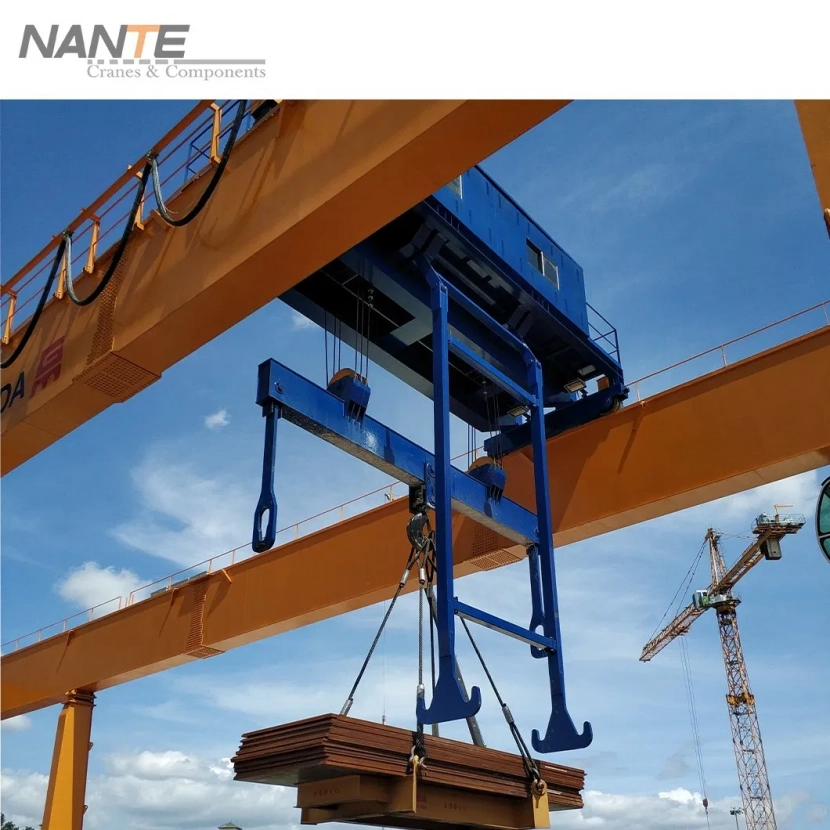
Gantry crane lifting capacity relies on a few linked parts that work as one under weight. Experts check these in builds and changes. They do this to keep safe use.
What Determines Gantry Crane Lifting Capacity
Beam power, leg strength, and end truck build make the base. The lift gear rate, with wire rope or chain details, sets the main weight cap. Steady points include wheel weights, wind fight for open use, and weight center spot. Cloth type and safe build factors help stop bend or break.
Gantry Crane Design Factors Affecting Load Capacity
Beam kind, reach length, lift height, and work cycle shape set work. Trolley build, wheel setup, and track join add to full caps. In plant spots, short reaches with light work allow small loads. Open ports or dock areas need builds that take moving forces and big weights. These avoid too much bend.
Single Girder vs Double Girder Gantry Crane Capacity
Single girder gantry cranes hold 1-20 tons most times. They have low own weight and small build. This fits inside or light store jobs. Double girder gantry cranes hit 3.2-300 tons or over, mainly with open winch plans. Their strong frame gives better weight spread, taller lifts, and steady hold for hard dock or metal jobs. Double girder types shine in long reaches and often big work where single girder types hit ends.
Upgrade the Hoisting System to Increase Capacity
Changing the lift system gives the plain gantry crane hoist upgrade. It often brings fast load gains.
What is the easiest way to increase gantry crane lifting capacity?
The simplest and plain path is changing the lift system. This means swapping the old power hoist or winch for a stronger one that fits build caps. It brings quick wins in weight move. It cuts stop time. A pro fit check must happen first.
Upgrading Gantry Crane Hoist for Higher Load Capacity
Swap a weak power hoist for a tougher one. Or switch to an open winch plan. This lifts cap without full crane swap. The new hoist joins well with old trolleys and guides. This way fits plants that need fair boosts. It also works for ports that call for hard work.
Electric Hoist vs Winch Lifting Performance
Power hoists give small work for mid weights up to 63 tons in double girder plans. They set up easy and back normal speeds. Open winch plans take up to 300 tons with better last for often big lifts. They bring fair rule and long life in tough open or dock spots.
How to Choose Higher Capacity Hoist
Fit the set weight and FEM or ISO work class to the job. Think about lift speed, height, and power match. Check wheel weights and frame stress after change. Pro build work makes sure the gantry crane frame and parts take new push safe.
Reinforce the Gantry Crane Structure
Frame changes grow gantry crane structural reinforcement. They back bigger weights well.
Strengthening Gantry Crane Frame Structure
Add strong plates or top channels to beams and legs. Tough steel changes raise bend and cut fight. Number part check shows new stress and wheel weights stay in caps. This way lengthens gear life in big plant or store spots.
Adding Support Beams to Gantry Crane
Side beams or slant stays raise strong hold and cut bend under big weights. Leg adds steady the frame in open spots. These joins work for inside store cranes and port sets. They face changing winds.
Structural Reinforcement Methods for Heavy Lifting
Experts use weld ways and cloth changes after full weight check. Box beam plans spread weight even for loads over 20 tons. These shifts keep smooth work. They also lift full crane work and life.
Optimize Foundation and Stability
Firm bases let safe gantry crane stability improvement. This fits open or track set types.
Gantry Crane Foundation Requirements for Heavy Loads
Use tough concrete over 30-40 MPa with right add and hold. Bases must fight set wheel weights and moving push. Spot checks prove old bases before changes. This stops sink in ports or docks.
Rail Mounted vs Rubber Tyre Gantry Crane Capacity
Track set cranes give true work and big cap chance on fixed ways in box ends. Rubber wheel gantry cranes bring move but may need ground add for very big weights. Track plans shine in wind open spots where steady counts most.
Improving Crane Stability for Higher Lifting
Drop the weight center and add anti tip parts. Wind weight math leads open builds. These adds back bigger lifts in store yards. They stop tip in work.
Use Counterweights and Balance Techniques
Smart weight set grows good cap through better steady.
How Counterweights Increase Gantry Crane Capacity
Right set counterweights drop the weight center and fight tip. They let safe move of bigger weights without big frame shifts. Spot relies on weight size and reach in plant or port jobs.
Load Balancing Techniques for Gantry Cranes
Put weights in the middle. Use spread bars or ropes for even spread. This cuts uneven push on beams and legs. Good tie stops bend in lifts at docks or stores.
Preventing Crane Tipping During Heavy Lifting
Ready ground with pads or sheets on soft land. Watch live weights and use anti tip math. These ways keep safe near new cap ends.
Choose the Right Gantry Crane Type for Higher Capacity
Picking the true type lifts work from the first.
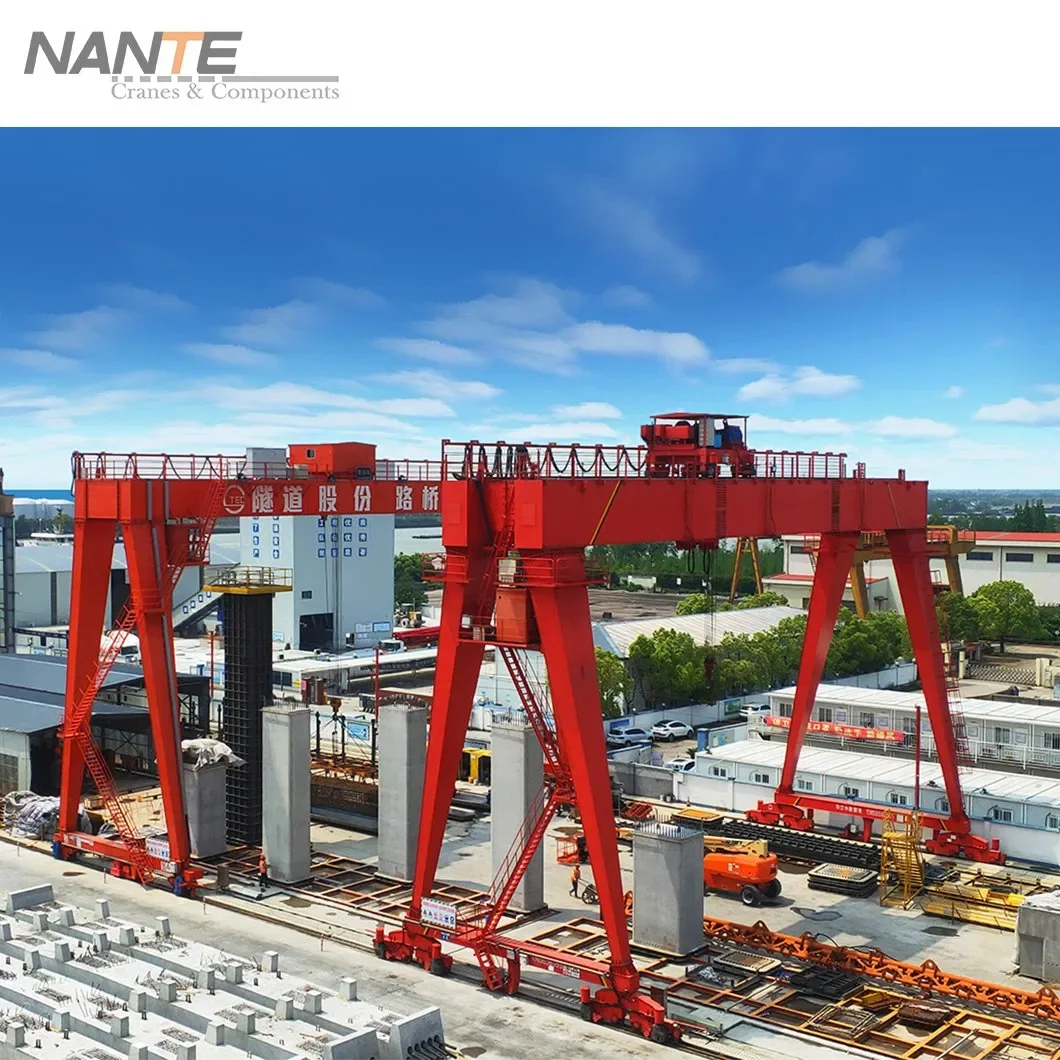
Double Girder Gantry Crane for Heavy Lifting
Double girder types take 20 tons and over with good strong hold. They fit often big work in metal plants or docks.
Truss Gantry Crane for Outdoor High Capacity
Truss builds give light power and less wind fight. They fit open ports and store yards that need big weights with move.
RTG Crane vs Rail Mounted Crane Capacity
Rubber wheel gantry cranes put first on bend for box move. Track set kinds give true and back bigger fixed way caps. Pick by spot plan and weight needs.
Advanced Technologies to Improve Lifting Performance
New guides raise good work at bigger caps.
Inverter Control for Gantry Crane Efficiency
Change speed drives let smooth speed rule and power save. They cut gear push in big lifts and raise true in plants.
Anti Sway Technology in Gantry Cranes
Built systems cut weight swing by up to 95 percent. Workers reach faster, safe spots even with bigger weights in ports or stores.
Automation and Smart Crane Systems
Over weight watch, checks, and auto guides fit work. These parts back sure work near set cap.
Safety Considerations When Increasing Capacity
Safe stays key in any change.
Overload Protection Systems
Weight caps, shows, and quick stops keep from going over build caps. These systems meet field rules. They stop auto near 90 percent of cap.
Gantry Crane Safety Standards (FEM, ISO)
Keep to FEM and ISO groups for build safe factors. Do 125 percent weight tests after shifts. Anti tip math makes sure steady in all spots.
Risks of Exceeding Rated Capacity
Frame break, tip, or part harm can happen. Pro checks and regular looks avoid these in plant spots.
When to Upgrade vs Replace Your Gantry Crane
Check picks by now gear and next needs.
Signs Your Gantry Crane Needs Upgrading
Often near cap work, seen wear, or more make needs show time. Higher fix costs also point to change point.
Cost Comparison: Upgrade vs New Crane
Changes cost less and cut stop time when frame stays good. Full swap fits bad worn units or big cap jumps. Math gain with build and set in.
Custom Gantry Crane Solutions
Made builds fit true weight, reach, and spot needs. They mix changes with new parts for best long work.
Get a Customized Gantry Crane Solution for Higher Lifting Capacity
Nante Crane is a leading manufacturer of industrial lifting equipment, offering a full range of gantry cranes—including single girder, double girder (with hoist or open winch up to 300t), truss, semi-gantry, and rubber tyred models—along with high-quality crane components such as electric hoists, trolleys, and controls. With expertise in custom solutions for factories, warehouses, ports, shipyards, and outdoor applications, plus comprehensive service support, Nante provides engineered upgrades, structural assessments, and new heavy-duty systems tailored to your exact requirements. Contact us today for a free consultation, load demand analysis, and professional recommendation to safely boost your gantry crane performance.
FAQ
Can I reinforce an existing gantry crane to handle more weight?
Yes, through structural reinforcement such as adding beams, plates, or bracing, combined with foundation optimization and counterweights. Always engage qualified engineers to conduct load analysis and ensure compliance with safety standards.
What is the typical capacity difference between single and double girder gantry cranes?
Single girder models usually range from 1-20 tons for lighter duties, while double girder designs support 20-300 tons or higher, offering better rigidity and stability for heavy industrial applications.
How important is foundation design for higher capacity gantry cranes?
Extremely important—especially for outdoor or rail-mounted units. Strong, reinforced concrete foundations prevent settling and ensure stability under increased wheel loads and dynamic forces.