English



How Do Overhead Cranes Improve Efficiency in Warehouses?
How Do Overhead Cranes Improve Efficiency in Warehouses
Date: 2026-04-09 Share:
Overhead cranes in warehouses bring clear efficiency gains. They let heavy loads move overhead while the floor stays open for storage and daily work. These systems cut down on manual handling time. They make good use of vertical space. They also lower the need for extra workers and raise safety levels along with better control. Many warehouse managers and logistics engineers now turn to these setups. The goal is to smooth out daily tasks and gain stronger returns over time.
Overhead cranes improve warehouse efficiency through:
- Faster material handling and workflow optimization
- Maximum use of vertical space without occupying floor area
- Reduced labor costs and fewer workplace injuries
- Precise load control for accurate placement
- Seamless integration with automated warehouse systems
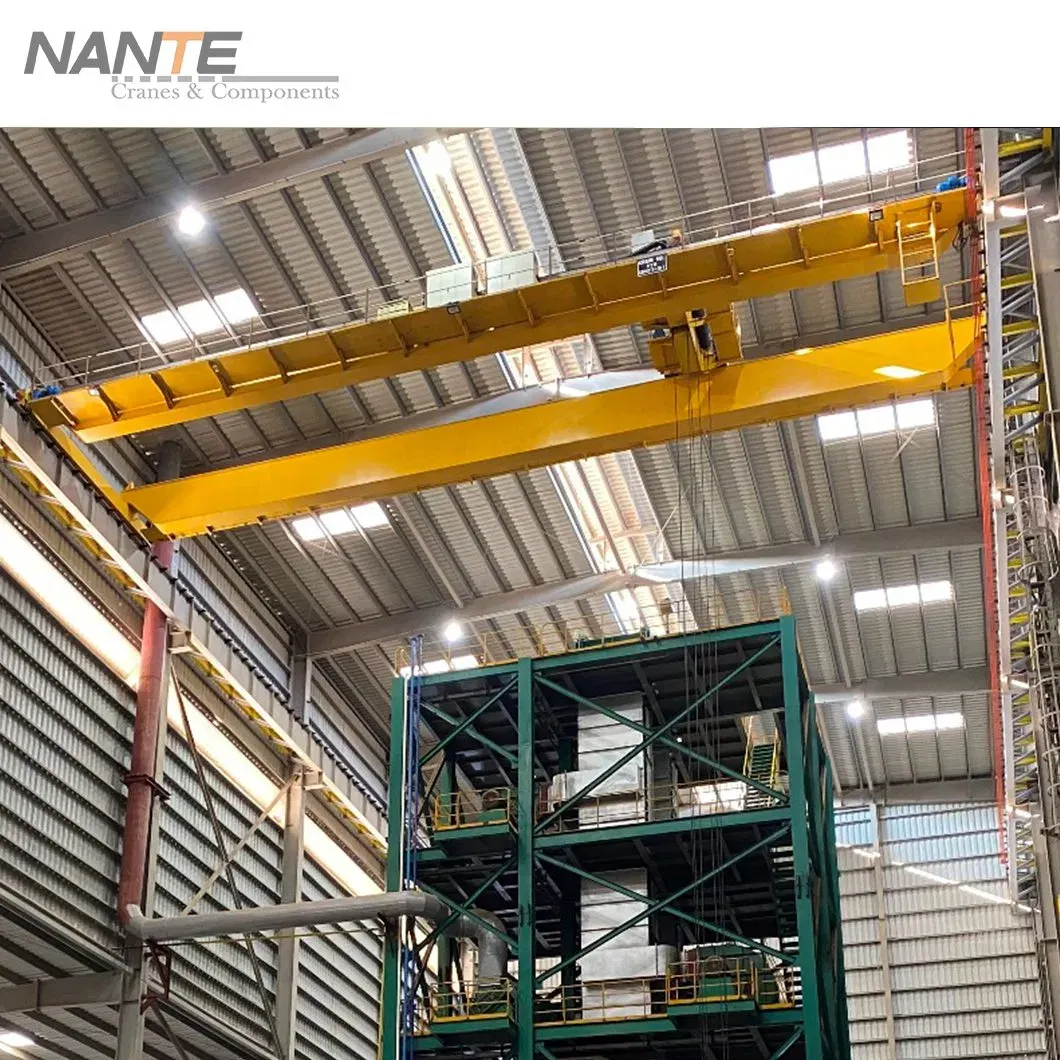
What Are Overhead Cranes in Warehouse Operations?
Overhead cranes in warehouses are bridge-style lifting systems. They run on elevated runways. These cranes move loads from side to side across the building. They also lift loads up and down. All of this happens above the main work area. The design gives full coverage. It avoids blocking aisles or storage racks. That makes the cranes a strong choice for indoor material handling.
The main benefit comes from their power to lift heavy loads and travel at high levels at the same time. Operators use a pendant or remote control. This removes the need for ground-level maneuvering that forklifts often require. As a result, workflows run more smoothly. Throughput rises in spaces that feel tight.
Key Components of an Overhead Crane
A reliable overhead crane system includes several integrated crane structure components. These parts work together for steady performance:
· Bridge (Girder): This is the main horizontal beam. It spans the width of the workspace. It carries the full load and moves along the runways. · Hoist: This lifting mechanism raises and lowers loads with care. It connects to the trolley and manages vertical movement. · Trolley: It shifts the hoist from side to side along the bridge. This helps with exact positioning. · Runway (End Trucks): These elevated tracks mount on the building structure. They allow the bridge to travel the length of the warehouse.
These components deliver stable and controlled operation. High-quality crane components add to long life, less vibration, and steady daily use in warehouses.
Types of Warehouse Overhead Cranes
Several types of warehouse overhead cranes fit different needs. The main groups are single girder, double girder, and underhung designs.
· Single Girder Overhead Cranes: They have one main bridge beam. These cranes are light and compact. They cost less and work well for lighter loads from 1 to 20 tons. They suit standard warehouses with normal duty cycles. They give good hook approach and easier setup.
· Double Girder Overhead Cranes: They use two parallel bridge beams for extra strength and stability. They come with hoist or open winch setups. Capacities run from 3.2 tons up to 300 tons. These cranes offer better hook height and longer spans. They fit heavier warehouse tasks.
· Underhung Overhead Cranes: They run beneath the runway beams. This saves headroom in buildings with low ceilings. Capacities usually stay between 0.5 and 10 tons. They increase lifting height and suit warehouses with limited clearance.
The right choice depends on load weight, span, and building limits. Lightweight and compact structures in these types help keep building loads low while keeping high efficiency.
How Do Overhead Cranes Improve Warehouse Efficiency?
1. Faster Material Handling and Workflow Optimization
Overhead cranes improve material flow. They create direct overhead paths instead of forcing loads around floor obstacles. Loads shift quickly between loading docks, storage racks, and workstations. No congestion builds up.
This speed cuts handling time when compared with ground-based equipment. Repeatable moves support steady workflows. Overall warehouse productivity rises with overhead cranes. Operators reach higher throughput. Downtime between tasks drops.
2. Maximizing Vertical Space Utilization
One big advantage is warehouse space optimization with overhead cranes. The cranes work in the ceiling area. They leave the full floor free for storage or movement.
Facilities can add taller racking systems. Storage density grows. This vertical use of space helps most in high-ceiling warehouses. More inventory fits without growing the building footprint. Compact crane designs support clean layouts.
3. Reducing Labor Costs and Manual Work
Overhead cranes lower the number of workers needed for heavy lifting and transport. One operator manages jobs that once took several people or forklift teams.
This change reduces warehouse labor costs with cranes. It also cuts physical fatigue and human error. Workers shift to higher-value tasks. Morale improves and productivity grows. Over time, fewer claims for strains add extra savings.
4. Improving Safety and Reducing Workplace Accidents
Safety stands out among overhead crane safety benefits in warehouses. The cranes remove manual heavy lifting. They help prevent common injuries such as back strains and crushed limbs.
Controlled moves keep loads high and clear of people and equipment. Features like overload protection and stable operation lower accident risks. A safer setting means fewer interruptions and stronger compliance with standards.
5. Enhancing Precision and Load Control
Modern overhead cranes give exact positioning through variable-speed controls and remote operation. This precision material handling crane system capability reduces product damage and stacking mistakes that other equipment often causes.
Operators set loads in the right spot every time. Organized storage improves. Order fulfillment speeds up. Inventory management gains accuracy. Rework situations decrease.
Why Overhead Cranes Are Ideal for Modern Automated Warehouses
Overhead cranes for warehouse automation act as flexible lifting solutions in highly integrated facilities. They pair with other systems to build efficient end-to-end material flow.
Integration with Warehouse Automation Systems
These cranes link smoothly with AGVs, conveyors, and automated storage systems. Synchronized work ensures clean handoffs between lifting and transport steps. Overall logistics efficiency rises.
The overhead design avoids clashes with ground-level automated vehicles. Parallel activities continue without slowdowns.
Compact Design and Energy Efficiency
Lightweight structures ease the load on building supports. Installation becomes simpler. Energy-saving motors and controls cut power use during repeated tasks.
Compact designs match tight modern warehouses. They still deliver dependable performance. These traits help lower running costs and support sustainable work.
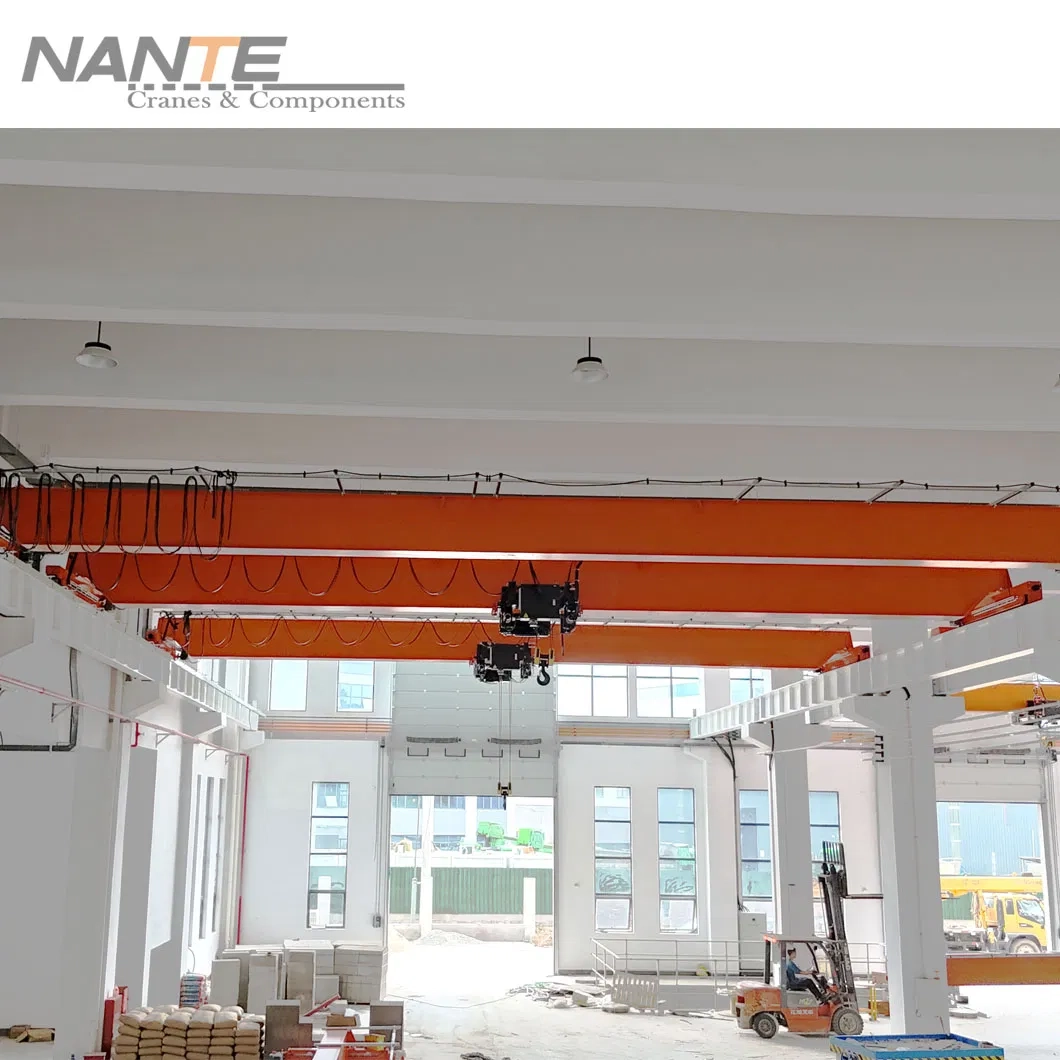
Choosing the Right Overhead Crane for Your Warehouse
Picking the best system calls for review of specific facility needs. How to choose an overhead crane for a warehouse means balancing capacity, layout, and long-term value.
Load Capacity and Span Considerations
Match the crane’s capacity (from 1 to 300 tons) to usual warehouse loads. Single girder designs often work for lighter to medium duties. Double girder options manage heavier items with more stability.
Check span length to cover the full working area. Good matching avoids under- or over-specification. Performance stays optimized.
Warehouse Layout and Ceiling Height
Review runway installation options and available headroom. Underhung cranes increase lift height in lower-ceiling buildings. Top-running models fit taller structures.
Look at the current layout to limit changes. Compact and modular designs help add the crane with little disruption.
Real-World Applications of Overhead Cranes in Warehouses
Overhead crane applications in logistics cover many warehouse settings. They bring steady benefits.
E-commerce Fulfillment Centers
In busy e-commerce sites, cranes speed order picking, sorting, and loading or unloading. Precise moves handle varied package sizes. Accuracy stays high.
Manufacturing Warehouses
Cranes shift components and finished goods between production lines and storage zones. They move raw materials well. Assembly lines stay supplied without delays.
Heavy Equipment Storage
For large or oversized items, cranes offer safe and controlled handling plus exact placement. Damage risks fall. Dense storage layouts improve.
Conclusion: Are Overhead Cranes Worth It for Warehouse Efficiency?
Are overhead cranes worth it for most warehouses? The answer stays yes when the full efficiency picture is reviewed. They save time with quicker handling. They increase usable space. They cut labor and injury costs. They bring precision that lifts productivity.
As warehouse efficiency solutions, overhead cranes tackle main operational issues. They grow with the business. Facilities that add them often see smoother processes and stronger market position.
Ready to Boost Your Warehouse Efficiency with the Right Overhead Crane Solution?
Nante Crane is a leading manufacturer of cranes and crane components with more than 30 years of experience. They offer a comprehensive range of overhead cranes—including single girder (1-20t), double girder with hoist (3.2-63t), double girder with open winch (10-300t), and underhung (0.5-10t) models—featuring lightweight and compact structures, energy-saving designs, reliable performance, and high safety standards. Ideal for warehouse material handling, space optimization, and automation integration, Nante provides customized lifting solutions. Contact the Nante Crane team today for a tailored crane system that meets your facility’s layout, load requirements, and efficiency goals. Request a quote or speak with crane experts.
FAQ
What is an overhead crane in a warehouse?
It is a bridge-style lifting system that operates on elevated runways to move heavy loads horizontally and vertically above the floor. It frees ground space for storage and operations.
How do overhead cranes improve warehouse efficiency?
They speed up material handling. They make full use of vertical space. They lower labor needs. They raise safety. They give precise control. These changes lead to quicker workflows and lower costs.
What are the main types of warehouse overhead cranes?
Single girder for lighter loads and compact spaces. Double girder for higher capacities and stability. Underhung for facilities with limited headroom.
Can overhead cranes integrate with automated warehouse systems?
Yes. Their overhead design and controllable movements make them compatible with AGVs, conveyors, and other automation. They create seamless material flow.