English



Do’s and Don’ts of Overhead Crane Equipment
Do's and Don’ts of Overhead Crane Equipment
Date: 2026-04-09 Share:
Overhead crane equipment plays an important part in today’s industrial lifting and material handling. Operators and facility managers need to learn overhead crane safety through simple overhead crane do’s and don’ts. These rules help protect workers and assets.
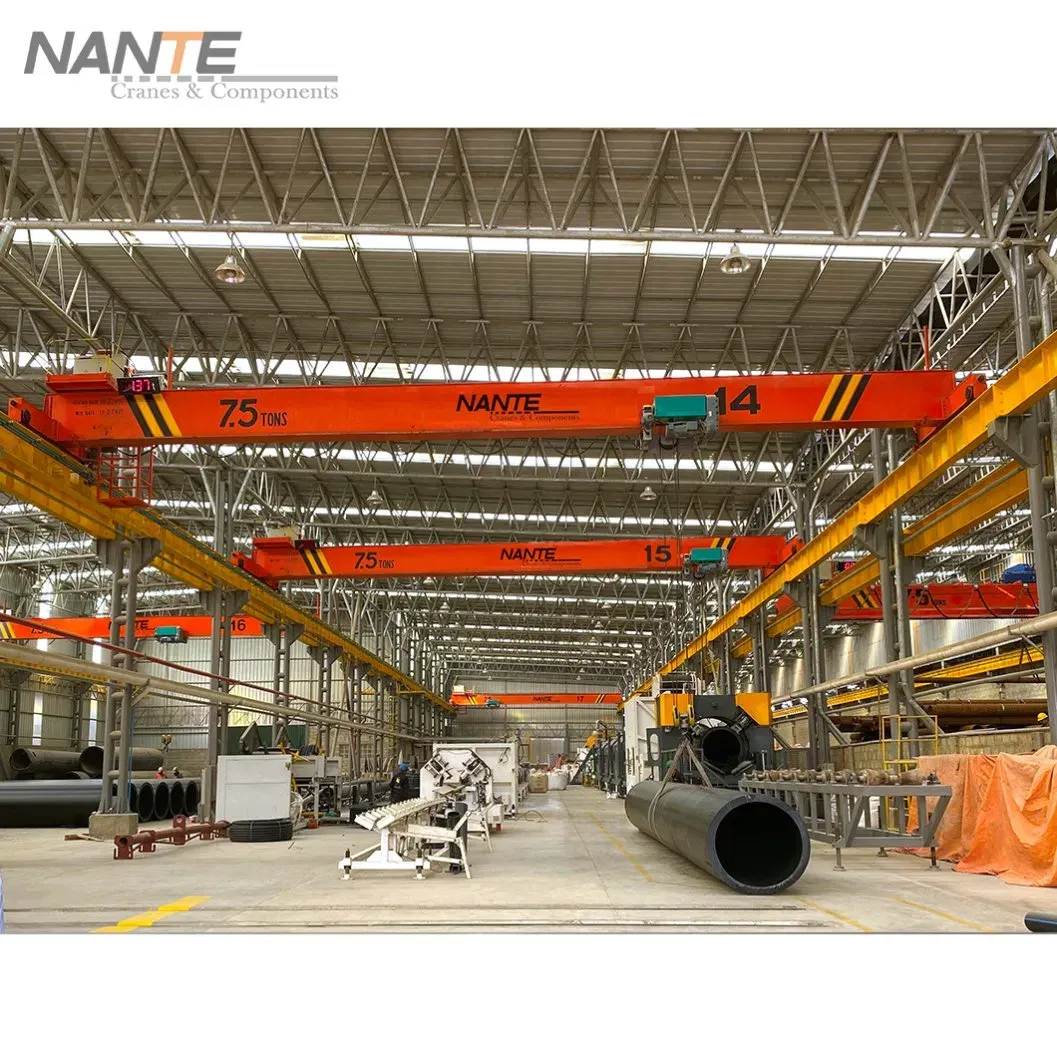
What Is Overhead Crane Equipment?
Overhead crane equipment lifts and moves heavy objects along fixed runways. These runways sit on building columns or freestanding supports. The system cuts down manual labor. It also lowers injury risks when operators follow correct procedures. Facilities depend on this equipment for steady performance in tough environments.
Main Components of Overhead Crane Equipment
The crane bridge forms the main girder structure. It spans the workspace and supports the entire load. The crane hoist gives the vertical lifting power with wire rope or chain. The crane trolley moves along the crane bridge while it carries the crane hoist. End carriages, also called trucks, let the crane bridge travel along the runways. Other crane components include overload limiters and power supply systems. These parts improve overall reliability and safety.
Common Types of Overhead Crane Equipment
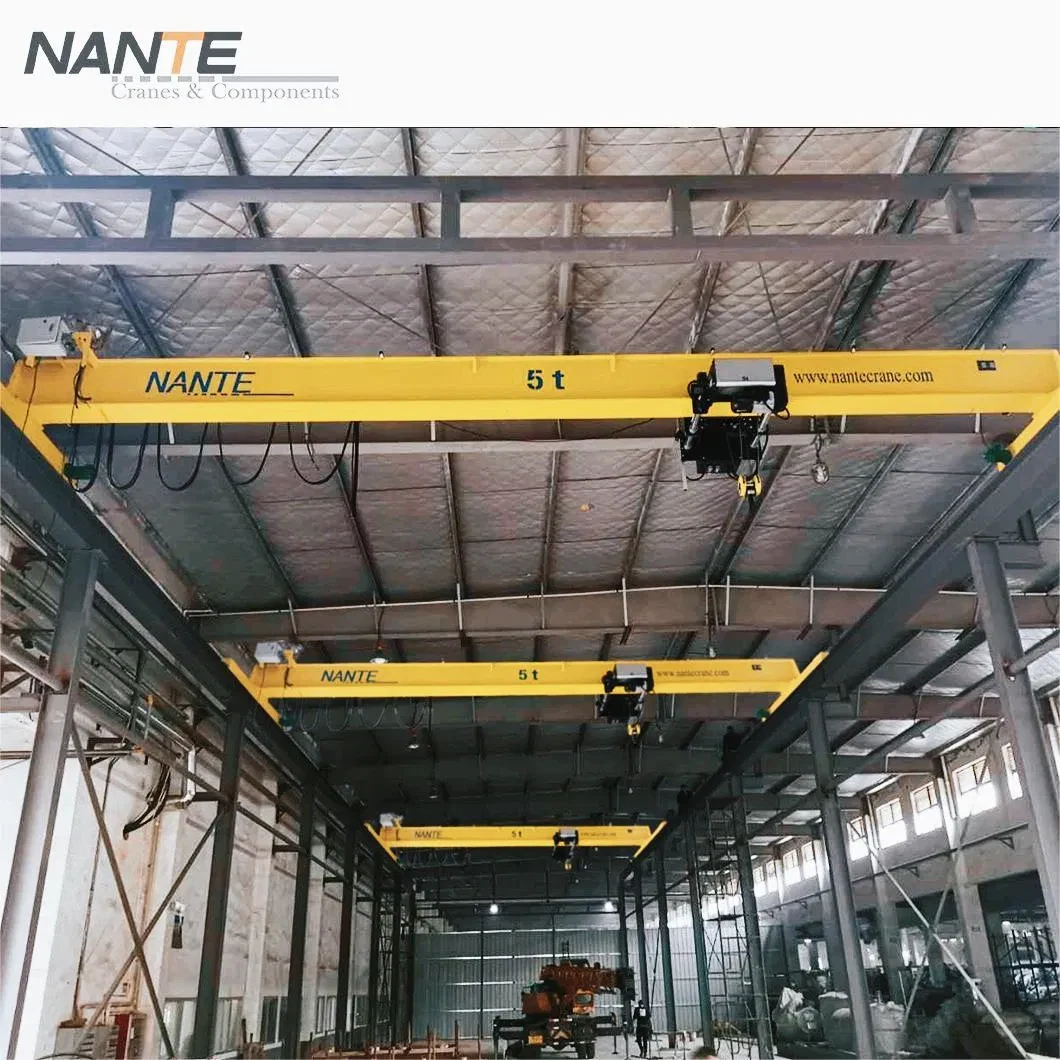
Single girder overhead crane equipment gives a light and low-cost choice for lighter loads up to 20 tons. Double girder overhead crane equipment manages heavier capacities. It also gives better stability for loads from 3 tons to 300 tons. Underhung overhead crane equipment fits facilities that have space limits and lower capacity needs from 0.5 tons to 10 tons. Each type suits certain industrial applications. The choice depends on span, height, and duty requirements.
Why Following Do’s and Don’ts Matters in Overhead Crane Operations
Importance of Overhead Crane Safety
Overhead crane safety guards people and lengthens the service life of overhead crane equipment. Regular rule-following cuts workplace injuries. It also keeps production moving well. Facilities that put safety first get lower insurance costs and better operational efficiency.
Risks of Improper Crane Operation
Improper operation of overhead crane equipment can cause dropped loads, structural failures, or hits with nearby objects. Unbalanced lifts or missed warning signals often create swinging loads. These loads put workers below in danger. Such events bring property damage, production delays, and possible legal problems for the facility.
Key Do’s of Overhead Crane Equipment
Responsible operators carry out clear positive actions. These actions support overhead crane safety in every shift. The practices build the base of safe overhead crane do’s and don’ts. Use of the next steps stops most usual hazards.
Understand Crane Load Capacity Limits
Operators must always check the rated capacity. It appears clearly marked on the overhead crane equipment before any lift. The team figures out or confirms the safe working load from the hoist and crane markings. Going over this limit creates quick structural stress. That stress hurts safety.
Perform Daily Crane Inspection Checklist
Every operator finishes a daily pre-use inspection of overhead crane equipment. The checklist covers hooks for bends or cracks, wire ropes for wear or kinks, brakes and limit switches for correct work, controls for smooth action, and runways for blocks. Records of each inspection help with compliance and early problem spotting.
Provide Crane Operator Training and Certification
Only trained and certified people may run overhead crane equipment. Training includes load handling, emergency steps, hand signals, and communication rules. Regular refresher courses make sure operators keep up-to-date knowledge of overhead crane safety requirements.
Use Proper Rigging Techniques
Rigging teams pick suitable slings. They also make sure loads stay balanced with right hitch methods. The crane hoist must stay centered right over the load for a straight vertical lift. Good rigging stops load movement and guards both the crane parts and the lifted material.
Follow Established Safety Protocols
Operators give warning signals before any move. They also keep open talk with ground personnel. All workers put on needed personal protective equipment during crane work. These protocols build a safe setting that backs safe overhead crane equipment use.
Critical Don’ts of Overhead Crane Equipment
Never Exceed the Rated Capacity of the Crane
Overloading the overhead crane equipment brings quick structural stress and long-term wear. Operators must never try lifts past the marked rated capacity. This rule saves the crane bridge, hoist, and supporting structures from breaking.
Avoid Side Pulling or Dragging Loads
Side pulls create risky swinging and harm wire ropes or chains. The crane hoist must always raise loads straight up without side force. Dragging loads on the floor puts stress on crane parts and breaks basic safety rules.
Do Not Operate the Crane Without Proper Inspection
Use of uninspected overhead crane equipment breaks official standards and brings accidents. Operators must confirm daily checks before they start any move. Missing this step puts the facility at high risk.
Do Not Allow Untrained Operators to Use the Equipment
Only qualified people may handle the overhead crane equipment. Untrained personnel raise the chance of human-error events that cause dropped loads or crashes. Certification makes certain every operator knows overhead crane do’s and don’ts.
Avoid Carrying Loads Over Personnel
Operators must never lift or carry loads above people. Clear paths without blocks stay required during all moves. This rule directly stops the most usual causes of overhead crane-related injuries.
Common Mistakes in Overhead Crane Operations
Many incidents come from repeated work errors that facilities can stop easily. Knowledge of these mistakes raises awareness and helps better overhead crane safety. Study of failure patterns aids teams in avoiding expensive breakdowns.
Common Crane Operation Mistakes
Operators sometimes fix loads the wrong way or overlook outside factors such as bad visibility. Failure to use limit switches or wrong guess of load paths also happens often. These errors build up and raise the chance of serious events.
Why Cranes Fail or Break Down
Missed inspections let wear on wire ropes and hooks grow without notice. Repeated small overloads weaken the crane bridge and trolley with time. Lack of care to brake work or control action often leads to sudden mechanical failure in operation.
Signs of Unsafe Crane Operation
Strange noises during movement show possible trouble with crane parts. Too much load sway, slow brake action, or clear wear on ropes and hooks point to urgent problems. Operators must stop the equipment and report these signs right away.
Best Practices for Long-Term Performance of Overhead Crane Equipment
Overhead Crane Safety Tips for Daily Use
Operators add safety habits into every shift. They do this by checking load paths and keeping clear talk. Daily checks together with vertical lifts and correct signals build a routine that stops most incidents. These tips strengthen overhead crane do’s and don’ts in actual conditions.
How to Extend the Lifespan of Overhead Crane Equipment
Quick reports of small issues stop little problems from turning into big repairs. Good storage when the crane stays idle and careful work inside rated limits keep structural strength. Facilities gain when they match equipment duty cycles to real workload needs.
Choosing the Right Overhead Crane Equipment for Your Application
Decision-makers check capacity, span, and duty cycle against certain industrial needs. Indoor versus outdoor use and dangerous environments affect the choice of single girder or double girder designs. The right match gives efficient material handling and long-term reliability.
Choosing a Reliable Overhead Crane Equipment Supplier
Picking the right partner changes both first performance and continued help. Experienced suppliers give systems that fit exact operational needs. Evaluation standards help facilities make smart buying choices.
How to Choose an Overhead Crane Manufacturer
Buyers look at the supplier’s years of industry experience, customization abilities, and quality of crane components. Strong after-sales service and compliance with OSHA and CMAA standards show reliability. References from similar setups give extra trust.
Benefits of Custom Overhead Crane Solutions
Tailored designs handle special load needs, space limits, or integration needs. Custom overhead crane equipment gives best performance in special uses. Facilities receive efficiency and safety gains that standard models cannot give.
Importance of Professional Crane System Integration Services
Professional installation and testing make sure smooth work from the first day. Integration services cover correct alignment, electrical links, and safety device setup. Continued support keeps the overhead crane equipment working at top levels during its whole service life.
FAQ
What is the most common cause of overhead crane accidents?
Human error, including overloading, improper rigging, and side pulling, accounts for the majority of incidents. Proper training and daily inspections greatly lower these risks.
What determines the safe load limit of a crane?
The manufacturer’s rated capacity, clearly marked on the crane bridge and hoist, sets the safe load limit. Operators must never go over this value in any situation.
What should operators check before every shift?
Operators inspect hooks, wire ropes, brakes, limit switches, controls, and runways. Records of these checks help with compliance and early problem spotting.
Why is side pulling dangerous for overhead crane safety?
Side pulling creates too much stress. It causes dangerous load swinging and damages ropes or chains. The hoist must always lift vertically to keep safety.
Get Custom Overhead Crane Solutions from Nante Crane
Nante Crane is a leading manufacturer with more than 30 years of experience in designing and supplying high-quality overhead crane equipment and crane components worldwide. The company specializes in single girder and double girder overhead cranes with capacities from 1 to 300 tons, along with reliable crane hoists, crane trolleys, end carriages, mobile power supply systems, and overload limiters that emphasize safety, energy efficiency, and customization for diverse industrial applications. Facilities seeking dependable solutions can contact Nante Crane for expert consultation, tailored designs, and comprehensive service support through their global network in over 50 countries.