English



Overhead or Underhung Cranes Which Is Best for Your Workshop
Overhead or Underhung Cranes Which Is Best for Your Workshop
Date: 2026-04-03 Share:
Choosing the correct crane system can greatly improve material handling efficiency in any workshop. Many facilities deal with the same issue: overhead crane vs underhung crane. Overhead cranes, also called top running cranes, travel on rails placed on top of runway beams. These beams get support from columns. Underhung cranes, or suspension cranes, hang from ceiling structures.
Both kinds move loads above the floor. However, they vary in design, capacity, and suitability. The choice depends on load needs, building structure, space limits, and budget.
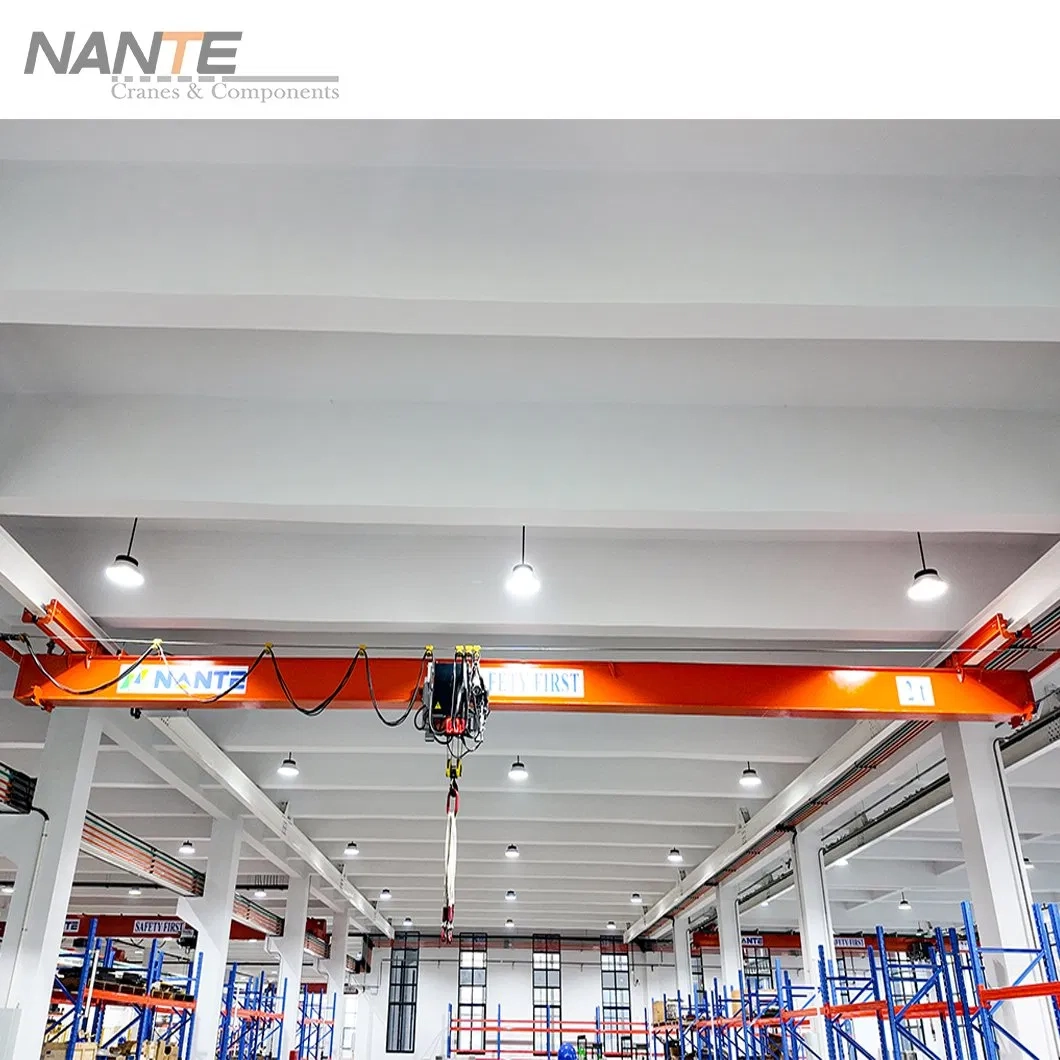
What Is an Overhead Crane? (Top Running Crane Basics)
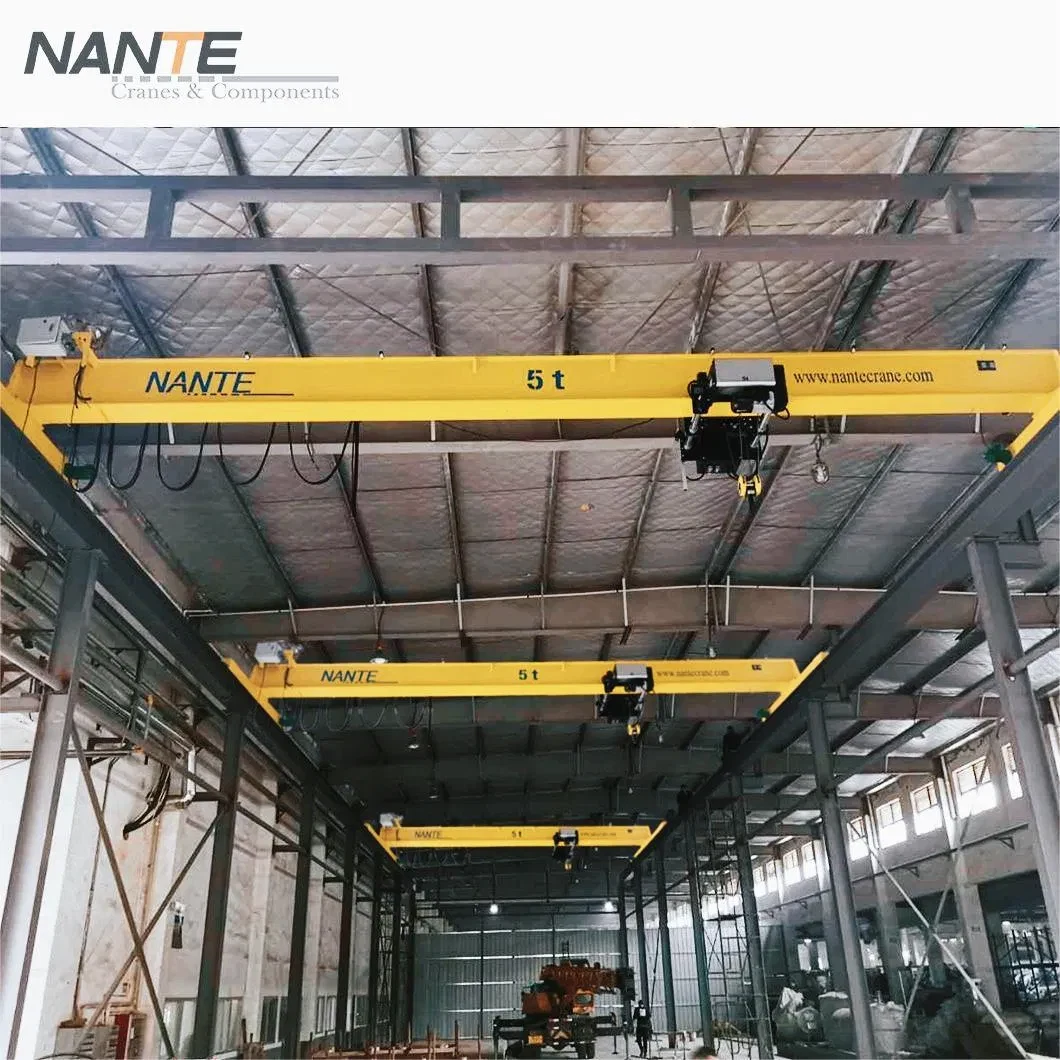
An overhead crane works as a top running system. The bridge moves along rails fixed on top of runway beams. These beams rest on building columns or separate supports. This setup gives the greatest stability for tough tasks.
The crane includes a bridge girder, end trucks, trolley, and hoist. It travels smoothly through the workshop. At the same time, it lifts heavy materials accurately.
What Is a Top Running Overhead Crane System
In a top running overhead crane system, the whole bridge assembly rides above the runway rails. End trucks roll along the rails. They support the bridge girder. The hoist and trolley move along the girder. This provides complete coverage of the work area.
This design increases lifting height in many cases. The runway sits higher than the bridge. Operators get steady performance even during constant use.
Types of Overhead Cranes (Single Girder vs Double Girder)
Overhead cranes appear in single girder and double girder types. A single girder overhead crane has one main beam. It fits lighter to medium loads. It gives a budget-friendly option with spans usually under 65 feet.
Double girder overhead cranes use two parallel beams. The hoist travels between them or on top. This allows higher capacities and longer spans. This type manages heavier duty cycles. It also offers more hook height.
Typical Load Capacity and Applications of Overhead Cranes
Load capacities for overhead cranes cover a wide range. Single girder models commonly handle 1 to 20 tons. Double girder versions can reach 20 to 300 tons or higher. Spans go beyond 65 feet in bigger setups.
These cranes perform well in intense settings. Workshops that deal with raw materials, large assemblies, or nonstop production gain the most from their power and dependability.
What Is an Underhung Crane? (Suspension Crane Explained)
An underhung crane runs on the lower flange of runway beams suspended from the ceiling. The bridge hangs below the structure. This creates a small and light system. This suspension method removes the need for floor-level columns in many situations.
Underhung cranes provide flexible motion. They also save important vertical and horizontal space. They fit facilities where regular supports would block workflow.
What Is an Underhung Overhead Crane
An underhung overhead crane has end trucks that travel underneath the runway beams. The bridge and hoist hang straight from these beams. This lets the system use current roof structures.
This setup keeps the crane profile low. It also cuts down overall weight on the building.
How Underhung Cranes Are Mounted to Roof Structures
Installation attaches the runway beams to roof trusses or ceiling beams with suspension hangers. No extra floor columns become necessary when the roof supports the load.
The lighter build lowers demands on the structure compared to floor-supported systems. Setup remains simple. It often fits with current building frames.
Key Features: Low Headroom, Compact Design, Lightweight
Underhung cranes stand out in low headroom settings. They make the most of usable lifting height. They remove extra clearance above the runway.
The small footprint and light build decrease noise and vibration. Simple changes make them perfect for changing workshop layouts.
Overhead vs Underhung Cranes: Key Differences
Knowing the differences between overhead crane vs underhung crane helps buyers choose fast. The main variations show up in capacity, support, span, space use, and cost.
A simple comparison table sums up these points:
| Feature | Overhead Crane (Top Running) | Underhung Crane (Suspension) |
|---|---|---|
| Load Capacity | Heavy-duty (20–300+ tons typical) | Light to medium (0.5–15 tons typical) |
| Installation Structure | Floor-supported columns and runways | Ceiling-mounted suspension |
| Span Capability | Larger spans (>65 feet common) | Shorter to medium spans (<65 feet) |
| Floor Space Usage | Columns may reduce usable area | Maximizes full floor space |
| Cost & Complexity | Higher due to robust supports | Lower and simpler in suitable buildings |
These variations affect workshop efficiency directly. Overhead cranes manage tough loads across wide areas. Underhung cranes focus on flexibility and space in smaller settings.
Load Capacity Comparison: Heavy-Duty vs Light-Duty
Overhead cranes deal with huge loads easily. Double girder designs handle very heavy weights in steel processing or shipbuilding.
Underhung cranes concentrate on lighter tasks. They work well up to usual 10–15 ton limits. They keep smooth operation at the same time.
Installation Structure: Floor-Supported vs Ceiling-Mounted
Top running overhead cranes depend on runways supported by columns. This arrangement needs strong foundations. But it provides excellent stability.
Underhung cranes connect right to roof structures. They prevent floor obstacles. They also make updates easier in current buildings.
Span and Workshop Size Differences
Bigger workshops with wide bays prefer overhead cranes. Their design handles longer spans and full coverage.
Underhung cranes suit narrower or modular areas. They adjust well to smaller facilities. No big structural changes become necessary.
Floor Space Usage and Layout Flexibility
Overhead crane columns can limit floor movement. Underhung systems open up every inch of ground space for equipment and traffic.
This flexibility improves workflow in crowded layouts or warehouses.
Cost and Installation Complexity Comparison
Overhead cranes usually bring higher initial costs for supports and foundations. Their long-term strength makes up for this in heavy-use cases.
Underhung cranes cut installation expense and time. They take advantage of existing structures. This lowers total project budgets.
Advantages of Overhead Cranes
Overhead cranes offer reliable performance in difficult industrial places. Their strong build supports high-volume work day after day.
High Lifting Capacity for Heavy Industries
These cranes lift loads from 20 tons and up without trouble. Steel mills, foundries, and heavy fabrication plants count on them for safe and efficient material movement.
Suitable for Large-Span Workshops
Wide coverage removes blind spots. Operators shift materials over entire production floors. No need to move equipment again.
Strong Structural Reliability
Made for constant duty, overhead cranes resist vibration, impact, and frequent cycles. Little downtime keeps production running smoothly.
Advantages of Underhung Cranes
Underhung crane advantages make them a good choice for facilities that care about space. They make every square foot work better while costs stay low.
Space-Saving Design for Compact Facilities
No support columns create clear floors. Workshops get more room for machinery, storage, or people moving around.
Ideal for Low Headroom Environments
A crane for low headroom building increases useful lifting height. Underhung systems use every inch of available vertical space well.
Lower Installation Cost and Easier Setup
Ceiling mounting cuts labor and materials. Fast integration reduces interruptions to production during setup.
Better Precision for Light Material Handling
Smooth travel and small design improve control. Operators manage delicate loads accurately on assembly lines.
Application Scenarios: Which Crane Fits Your Industry?
Matching the crane to the industry gives the best results. Think about load, space, and workflow during selection.
When to Choose an Overhead Crane (Heavy Industry)
Pick overhead cranes for steel production, shipbuilding, mining, or large-scale manufacturing. High loads and wide spans require their power and range.
When to Choose an Underhung Crane (Light-Duty Workshops)
Underhung cranes fit assembly lines, precision manufacturing, and smaller production zones. They do best where space and headroom restrict other choices.
Industry Examples: Manufacturing, Warehouse, Aviation
In general manufacturing, overhead cranes shift raw stock across bays. Warehouses rely on underhung cranes for flexible storage reach. Aviation maintenance gains from underhung accuracy in low-ceiling hangars.
Other areas like logistics and advanced assembly also connect specific needs to the proper crane type.
How to Choose Between Overhead and Underhung Cranes
Use a clear process to select the best option. Look at four main factors before buying.
Consider Your Building Structure (Roof vs Column Support)
Check roof load-bearing ability first. Solid ceilings hold underhung cranes without issue. Available columns suggest overhead systems.
Evaluate Load Capacity Requirements
Figure out maximum and average loads. Heavy or frequent lifts point to overhead cranes. Lighter tasks match underhung benefits.
Check Ceiling Height and Space Constraints
Measure available headroom. Tight vertical space makes a crane for low headroom building the sensible pick with underhung designs.
Budget and Installation Conditions
Compare full costs including supports and downtime. Include future expansion ideas. Weigh initial spending against long-term results.
Conclusion: Which Crane Is Best for You?
Overhead cranes supply unbeatable capacity and span for heavy industrial needs. Underhung cranes bring space savings, simpler setup, and strong performance in small or low-headroom workshops.
Quick summary: Select overhead for loads over 20 tons and large bays. Choose underhung to make the most of floor space and cut setup costs. The correct crane raises safety, speed, and efficiency in the specific operation.
Ready to Find the Perfect Crane Solution?
Contact us today for expert guidance tailored to your workshop. Nante Crane is a leading manufacturer of cranes and crane components, offering high-quality overhead cranes, underhung cranes, gantry cranes, workstation cranes, and more, along with comprehensive crane components, proven applications across industries, reliable services, and global support. Reach out for a free consultation or customized quote to start your project with confidence.
FAQ
What is the main difference between overhead crane vs underhung crane?
Overhead cranes run on top-supported rails for heavy loads. Underhung cranes hang from ceilings for improved space use and lighter duties.
Which crane is best for a low headroom building?
Underhung cranes increase lifting height in low-ceiling environments with their suspension design.
Can underhung cranes handle heavy loads?
They usually manage up to 15 tons well. Heavier needs often require overhead crane systems.
How do installation costs compare?
Underhung cranes normally cost less to install by using existing roof structures. Overhead cranes need stronger column supports.
Which crane is best for workshop efficiency?
It depends on loads and layout. Underhung cranes perform well in space-limited workshops. Overhead cranes lead in large, heavy-duty facilities.
Do underhung cranes offer underhung crane advantages in precision work?
Yes. Their compact, lightweight design gives smoother movement and better control for light material handling.