English


How to Select a Hoist or a Open Winch
How to Select a Hoist or a Open Winch
Date: 2026-03-12 Share:
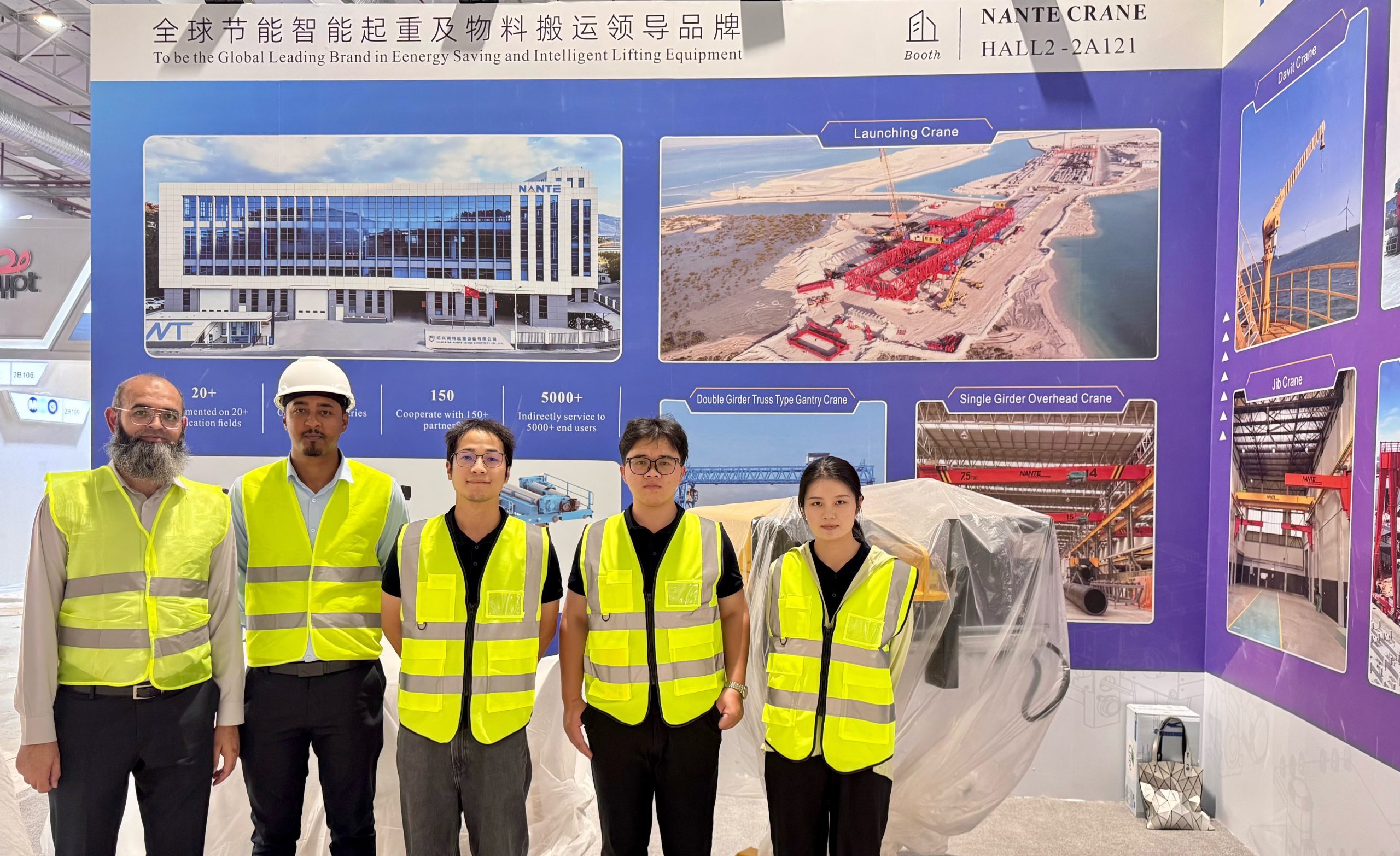
Choosing between a hoist and an open winch presents a frequent issue in industrial lifting systems. Grasping the hoist vs open winch differences, uses, and selection points assists engineers, procurement teams, and project managers in selecting the proper crane component for overhead cranes, gantry systems, or heavy-duty tasks. This detailed guide covers main contrasts, situations to pick one or the other, important factors, and expert points to guarantee top safety, efficiency, and long service life in crane lifting equipment projects.
What Is the Difference Between a Hoist and an Open Winch?
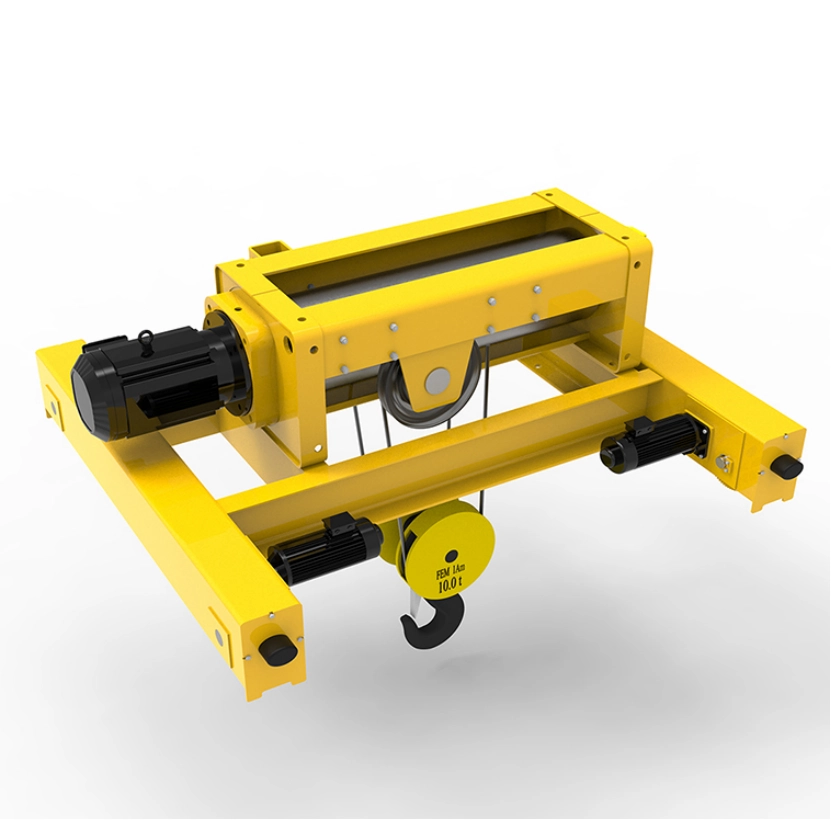
A hoist is usually a small, combined (packaged or built-up) lifting unit. It is often an electric wire rope or chain kind. The unit is built mainly for accurate up-and-down lifting and lowering inside crane systems. It has a closed or partly closed build. This includes motor, gearbox, brake, drum, and safety parts. All these provide steady overhead work.
An open winch (also known as open-type winch or modular winch) is a strong, flexible setup. It has visible, separately placed parts like motor, reducer, drum, brakes, and couplings. Such a build permits wide adjustments for big loads or special crane hoisting mechanisms.
Main structural and working differences include:
Design and modularity: Hoists come ready-assembled for fast setup. Open winches allow changes at the part level and simpler piece swaps.
Drum and rope: Hoists commonly have shorter drums with chain or wire rope for small lifts. Open winches include bigger drums for longer rope reaches and quicker speeds.
Braking systems: Hoists focus on two-way load-holding brakes for up-down safety. Open winches might apply dynamic or mechanical brakes fit for mixed pulling and lifting.
Capacity and speed: Open winches often handle bigger loads, quicker lifting, and tougher duty classes in hard setups.
Mounting flexibility: Hoists fit fixed trolley spots. Open winches adjust to different crane layouts.
How a Hoist Works in Crane Lifting Systems
Hoists guide wire rope or chain over pulleys and drums to create vertical movement. In overhead crane or gantry crane arrangements, they give exact control. They use built-in limit switches, overload guards, and load brakes. These stop load falls and meet rules for vertical lifting standards.
How an Open Winch Works in Pulling or Lifting
Open winches come together in a modular way. This lets separate tuning of motor, gearbox, and drum for flexible use. They perform well with long cable releases, fast line speeds, or mixed up-down and side-to-side jobs. They serve as crane hoisting mechanisms in tough industrial settings.
Typical Industries Using Hoists and Open Winches
Hoists lead in manufacturing plants, warehouses, assembly lines, and workshops. These places need regular, exact overhead crane work. Open winches find favor in ports, shipbuilding, mining, steel mills, power plants, construction, and heavy machinery areas. Those fields demand tough, big-capacity work in rough conditions.
When Should You Choose a Hoist Instead of an Open Winch?
Pick a hoist for jobs that stress accurate vertical lifting in managed settings with medium to high work cycles. Hoists work best when room is tight, loads stay steady, and precise placement matters a lot.
Hoists for Overhead Crane Systems
Hoists fit smoothly as standard crane components in bridge cranes, gantry cranes, or monorail systems. They supply easy, ready-to-use dependability for repeated overhead lifting.
Hoists for Precise Vertical Lifting
They bring better speed management and shorter lift distances. This makes them right for assembly lines, workstation cranes, or careful material handling. Accuracy there helps avoid harm.
Safety Advantages of Hoists
Hoists include strong load-holding brakes, overload cutoffs, emergency stops, and match strict vertical rules. These steps reduce dangers in hanging load cases.
When Is an Open Winch the Better Choice?
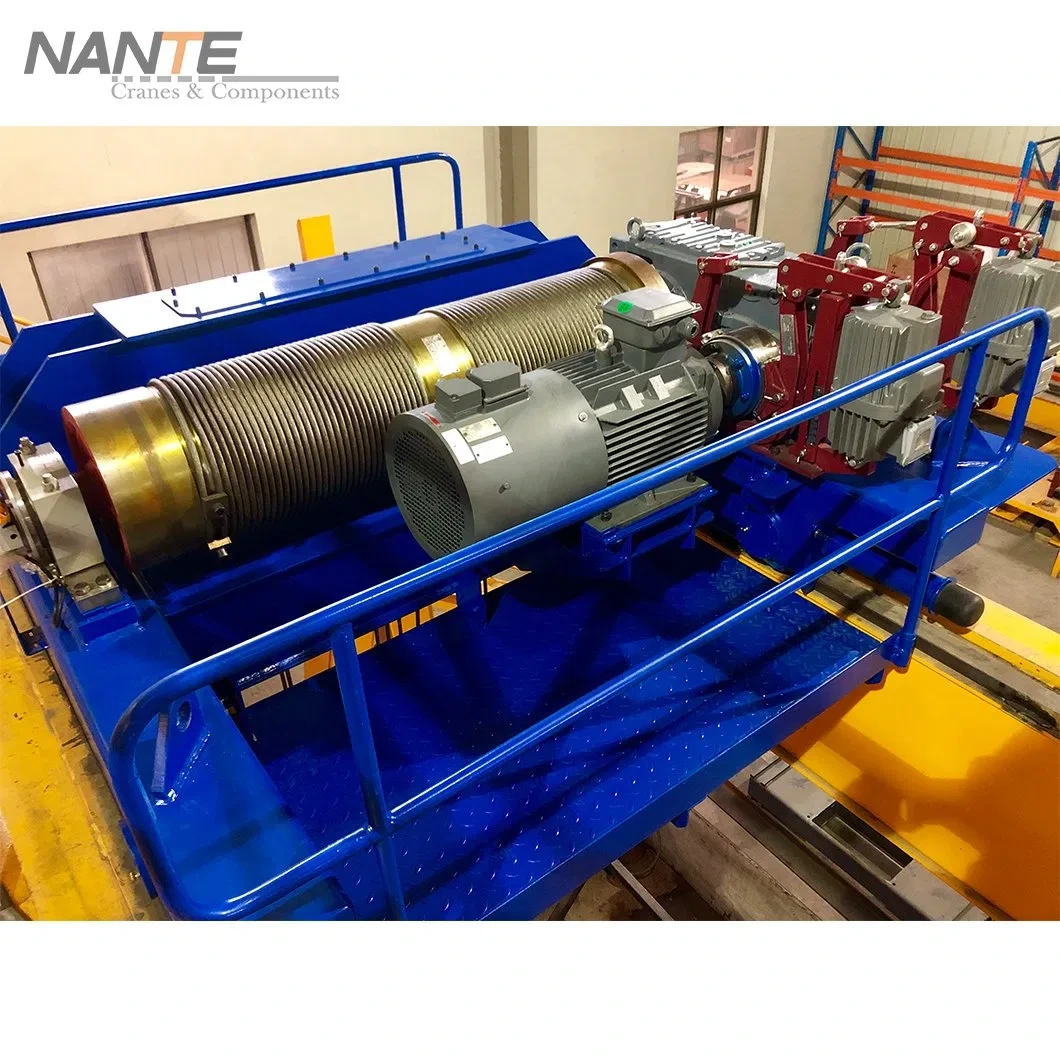
Select an open winch for tough jobs that need big capacity, longer reach, custom builds, or work in severe settings. Open winches give greater flexibility for mixed lifting and pulling.
Open Winches for Construction and Marine Industries
They do well at dragging heavy items on sites or securing ships in ports. They stand up to dust, rust, shaking, and changing weather.
Open Winches for Heavy-Duty Pulling
Big drums allow long cable releases and strong line pull. This suits far-reaching work or very heavy loads in mining or shipyards.
Advantages of Open Winch Structures
Modular build makes checks, upkeep, and improvements easier. It supports bigger lifting capacities, speeds, and FEM duty groups. It offers improved heat release and custom torque or speed for certain crane builds.
Additional Considerations: Packaged Hoist vs Open Winch in Crane Design
In crane trolley setups, packaged hoists (small electric kinds) fit lighter to medium-duty bridge or gantry cranes with normal trolleys. Open winches, usually in split-type trolleys, manage heavier cranes. They use separate part mounting for stronger lasting power and easier service in high-FEM classes.
When Packaged Hoists Excel
They bring lower starting cost, simpler setup, and good fit for monorail or underhung trolleys in plants.
When Open Winches Provide Superior Performance
They deliver higher speeds and capacities. They suit FEM 3m–5m duties better. They allow easier updates in tough overhead crane uses.
Key Factors to Consider When Selecting a Hoist or Open Winch
Use this hoist or winch selection guide to match crane components to project needs. Focus on safety, performance, and rule-following.
Load Capacity and Lifting Height
Figure safe working load (SWL) with dynamic effects and safety extras. Fit the height: small hoists for short lifts, open winches with big drums for longer heights or multi-layer winding.
Duty Cycle and Working Environment
Apply FEM/ISO classes (e.g., 1Am/M4 for medium, 4m/M7 for heavy). Base these on load spread (average load share) and daily work hours. Think about extreme heat or cold, dust, moisture, rust risks, or ATEX/explosion-proof requirements.
Power Source: Electric vs Hydraulic
Electric power leads in indoor crane systems. It gives exact, clean control and wide access. Hydraulic does well in outdoor, high-impact, or far-off uses.
Electric advantages: exact speed, less upkeep in clean places.
Hydraulic advantages: strong torque, handles overloads, avoids overheat in steady work.
Considerations: steady power supply, fluid care, and effect on surroundings.
Speed, Reeving, and Controls
Check lifting and lowering speeds, rope reeving (single/double fall), and control kinds (pendant, remote, or cabin). These help operator work and safety.
Hoist vs Open Winch: Which One Fits Your Application?
Look at main movement, crane kind, load pattern, and work strength to find the best match.
Best Option for Overhead Lifting
Hoist stands as the main crane component for bridge/gantry cranes. It needs accuracy and many cycles.
Best Option for Pulling Operations
Open winch fits construction, marine, or mixed jobs. It handles long-distance or slanted pulling.
How to Match Equipment with Project Needs
Step-by-step choice steps:
Spot main movement (vertical accuracy → hoist; pulling/flexibility → open winch).
Check load weight, how often it occurs, and duty class per FEM/ISO.
Look over site dangers and space limits.
Compare details, check rules, and bring in suppliers for confirmation.
Frequently Asked Questions
What is the main difference between a hoist and an open winch?
Hoists stress small, exact vertical lifting with built-in safety. Open winches give modular, big-capacity flexibility for heavy pulling or custom crane use.
Can an open winch replace a hoist in crane lifting?
It can work with correct load-holding brakes and vertical approval. Still, special hoists stay safer and more effective for pure overhead vertical jobs.
Which is safer for vertical lifting in overhead cranes?
Hoists win here. They use two-way brakes, overload guards, and builds aimed at hanging loads.
How do I calculate the right capacity for hoist or winch selection?
Add SWL, impact effects, duty class, lift height/speed, and setting. Check FEM/ISO tables for load spread and work time.
What power source is best for industrial crane applications?
Electric suits accuracy in managed places. Hydraulic fits rough, high-impact outdoor or marine settings.
Ready to Choose the Right Crane Hoisting Solution?
Nante Crane is a leading manufacturer of cranes and crane components, offering high-quality electric wire rope hoists (NHA, NHC, CD/MD series), chain hoists (NCHA, NCHC), and open winches (NWB, NWA, NW series up to 300t) designed for reliable performance in overhead cranes, gantry cranes, construction cranes, offshore cranes, and more. With modular designs, customization options, and applications across industries like manufacturing, ports, mining, shipbuilding, steel, and power, Nante provides comprehensive lifting solutions focused on safety, efficiency, and durability. Contact Nante Crane today to discuss your project needs and find the ideal hoist or open winch for your crane system.