English



Why Span and Lifting Height Matter in Crane Design
Why Span and Lifting Height Matter in Crane Design
Date: 2026-03-06 Share:
Crane span and lifting height stand as basic crane design factors. They shape how well a crane works in work places. Crane span sets the side reach over a work space. Lifting height sets the up reach for safe load moves. These factors touch build needs, material use, work flow, and full safety in overhead cranes, gantry cranes, and like systems. Wrong picks can lead to small work space reach, high costs from too-big parts, safety issues like hits or weak spots, and lower output. Good focus on crane span and lifting height gives even work, match to rules, and long sure use.
Crane Span Explained
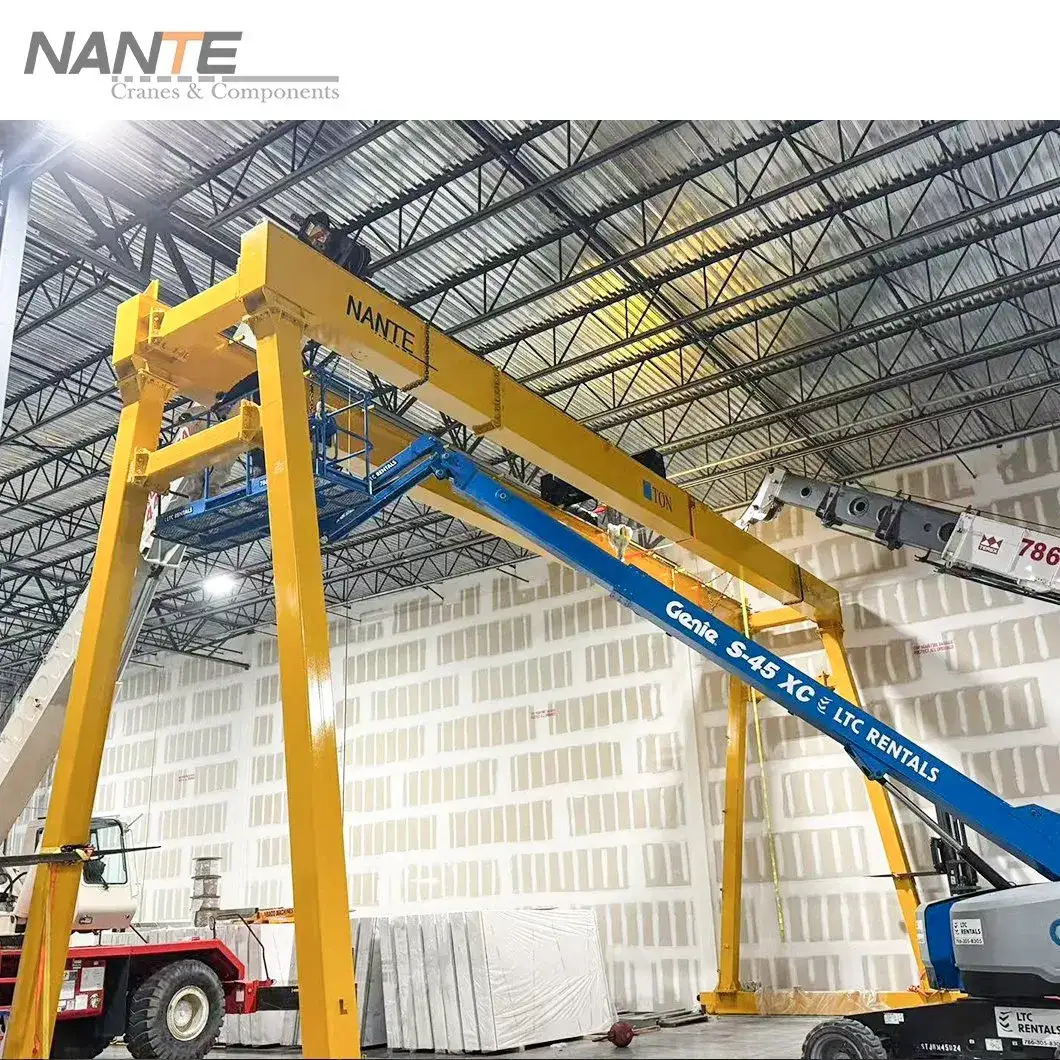
Crane span means the side center-to-center space between runway rails for overhead cranes. Or it means between hold legs for gantry cranes. This size sets the max width the crane bridge can go. It touches cover of the work area.
Bigger spans need deeper and weightier bridge beams to handle bend forces and bend under load. For spans over 20-25 meters, two beam setups often turn needed to keep steady and exact.
Cost effects grow a lot with bigger span size. Extra steel, strong end trucks, and hard build can raise costs by 50-100% or more for wide setups.
Safety gets hurt if span does not fit holds. Too much length without good build leads to shake, swing, or build wear. This raises chances of break in work.
For example, a small work shop might use a 15-20 meter span well. Heavy work bays often need 30 meters or more. This calls for better beam setups for gripped bend.
How to Choose Crane Span
Picking the right crane span uses a clear way to fit plant needs without extra.
Check the bay width exact. Use center-to-center space between runway rails or posts. Then cut end spaces of 300-500 mm per side for safe go.
Look at work flow needs. Make sure the span covers all tools, store spots, and material paths. This cuts dead areas.
Think on load sizes and move ways. Pick wider spans when dealing with big or thick items over the bay.
Check build frame limits. This includes post space and load-hold power. It helps skip unheld reaches.
Fit to crane type. One beam fits short spans up to 20-25 meters for light jobs. Two beam fits longer spans with higher hold and better steady.
Skip too-small size. It limits reach and forces risk hand steps. Or skip too-big size. It adds unneeded material weight and build stress. For a 25-meter bay, aim a 24-meter span to let safe edges.
Consequences of Poor Span Selection
Too-small span makes work blind spots. This cuts flow and raises hand move risks.
Too-big span blows up costs through weightier beams and moves. It also grows bend risks and weak spots under move loads.
In one usual case, picking a 28-meter span for a 25-meter bay leads to line issues, setup redo, and big added costs.
Crane Lifting Height Explained
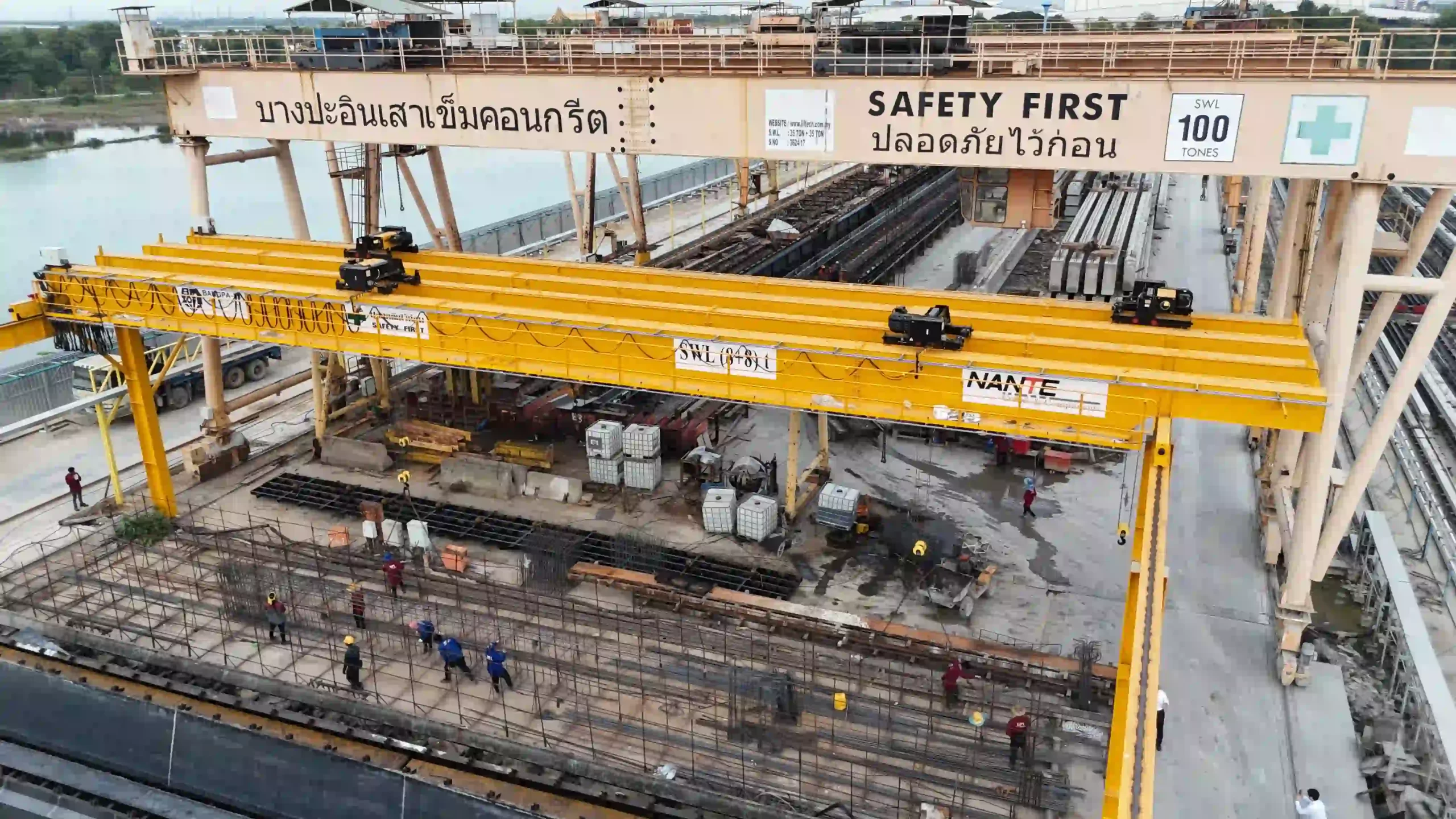
Crane lifting height, also known as lift height, sizes the up space from the floor to the hook seat at its top spot. This factor makes sure good space for raising and turning loads.
Main parts include the hoist C-size (space from trolley wheels to hook seat). It also includes head space and rope setup. All touch get height.
Bigger lifting height backs stack of tall items. It clears blocks and exact spots in multi-floor spots like manufacturing or store houses.
Cost grows clear with bigger height. Often by 20-50%. This comes from longer ropes or chains, stronger hoists and motors, and strong build parts.
Safety hurts from not enough height through possible hook-load hits or over load spots. Too much height raises swing and move forces on the setup.
Lifting Height vs Hook Height
Lifting height points to the full up travel range from low to high hook spot. It covers full hoist power.
Hook height looks at the max floor-to-hook space. It shows net use space after count for slings, spreaders, or add-ons.
The difference matters a lot. Add-ons cut good under-hook space. Crane type touches results. Two beam setups often give better hook height. They put the hoist on top of beams not under.
Wrong fits lead to not enough space, weak stack, or blocked work. Two beam setups often max use hook height in tight head space cases.
Consequences of Poor Lifting Height Selection
Too low lifting height stops deal with tall loads or blocks. This leads to common hits, stopped work flows, and higher accident chances.
Too high picks drive up costs with unneeded strong parts. They also raise load swing from long rope sizes.
For example, a plant with a 5-meter roof using only 4 meters of lift height cannot clear stacked boxes. This causes stop time and safety worries.
Other Key Crane Design Parameters
Crane span and lifting height link tight with load hold, job class, runway length, hook near, and end spaces.
High-job uses with long spans need top crane parts. Such as strong beams and new hoists. This makes sure last and sure.
Even factors cut bend, better load grip, and back rule match. They min wear and break risks.
Common Crane Design Mistakes Involving Span and Lifting Height
Wrong sizes that miss spaces or blocks. This leads to setup fails and high redo costs.
Low guess on lifting height needs. This results in no skill for tall loads and more hit dangers.
Too high pick on span or height. This blows budgets with extra materials and build needs.
Miss links between factors. Such as pair long span with low height. This causes reach limits and weak spots.
Skip future grow. This locks designs that need high change costs later.
These faults add to safety events like over loads or swing-led breaks. They also cause output falls and higher life costs.
How Crane Span and Lifting Height Impact Cost and Safety
Cost parts include:
Span: Longer spaces need deeper beams and more steel. Costs rise fast past usual ranges.
Lifting height: Bigger values need better hoists, long parts, and taller holds. This adds big extras.
Safety gains from right pick cover cut bend and swing. They give better load steady and lower chances of accidents like build wear or hook hits.
Fixed designs can cut bend by 30-50%. This betters exact and stops long issues.
Ready to Optimize Your Crane Design?
Nante Crane specializes in overhead cranes, gantry cranes, jib cranes, construction cranes, workstation and offshore cranes, plus premium crane components. Offering tailored solutions focused on precise crane span and lifting height for safety, efficiency, and cost-effectiveness across applications. Contact Nante Crane today for tailored advice.
FAQ
What is crane span?
Crane span is the horizontal center-to-center distance between runway rails, defining coverage width.
What is crane lifting height?
Crane lifting height is the vertical distance from the floor to the maximum hook position.
How does lifting height differ from hook height?
Lifting height is total vertical travel range; hook height is the maximum floor-to-hook clearance, often net usable after accessories.
Why do longer spans raise costs?
They require stronger girders, more materials, and advanced engineering to control deflection and ensure stability.
What risks come from incorrect lifting height?
Risks include collisions, limited operations, excessive sway, or overload failures.