English


Key Challenges Overhead Crane Operators Face and How to Overcome Them
Key Challenges Overhead Crane Operators Face and How to Overcome Them
Date: 2026-03-06 Share:
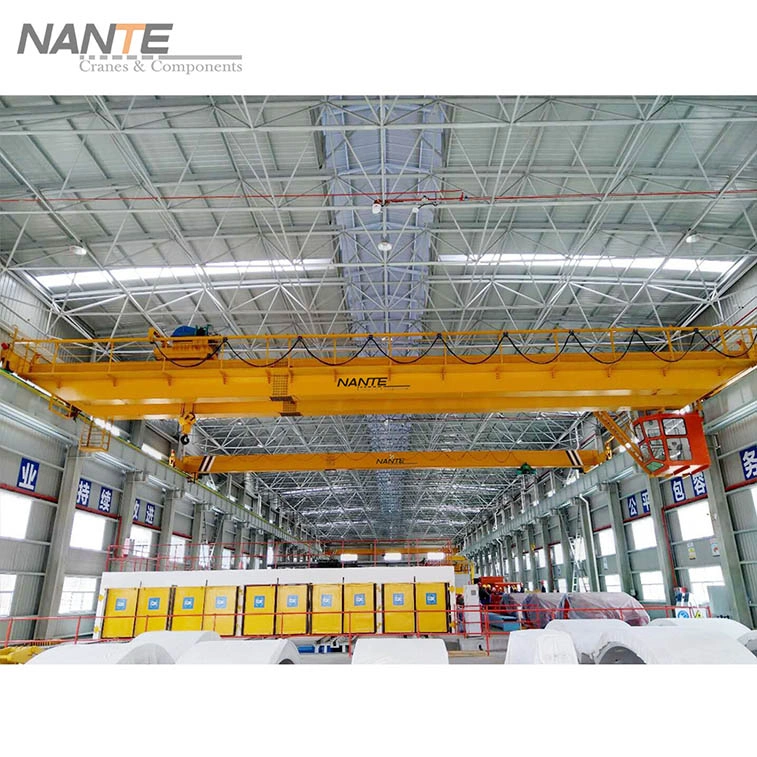
Overhead crane operators handle important lifting jobs in tough industrial places. These include manufacturing plants, warehouses, steel mills, construction sites, and ports. The job needs exact control, steady attention, and fast choices to move heavy and sometimes odd loads in a safe and quick way. Even with better equipment designs, operators still deal with ongoing problems. These issues impact safety, work output, and how long the equipment lasts. This article explains main challenges often mentioned in industry sources. It also gives useful ways to reduce them.
Physical and Mental Demands of the Job
Long hours of work mean keeping strong focus during long shifts. This often causes operator fatigue. Fatigue slows reaction times and weakens judgment. Tough conditions in the environment make things harder. These include loud noise, very hot or cold temperatures, constant shaking, dust, and bad air. All of them add more physical stress and mental tiredness.
Solutions:
Set required rest breaks and shift changes to stop fatigue from building up.
Add ergonomic items to control cabins. These include seats that adjust, simple pendant or joystick setups, and systems to control temperature. They help cut down on strain.
Start wellness programs. These offer regular health checks, help with stress, and fitness options. They support strong physical and mental health over time.
Safety Risks and Accident Prevention
Overhead crane work puts people at risk. Risks involve dropped loads, crashes, equipment breakdowns, and problems with structures. Frequent causes are overloading, wrong rigging, side pulling, and sudden changes in load position.
Solutions:
Make sure everyone follows safety rules closely. This covers load limits and standard ways to operate.
Do daily checks before shifts start. Also carry out planned preventive maintenance. These steps spot possible problems early.
Require regular use of personal protective equipment. This includes helmets, gloves, safety harnesses, and bright clothing.
Keep clear ways to communicate with ground teams. This avoids mix-ups during lifts.
Training and Certification Challenges
Rules differ across areas and industries. This leads to uneven preparation for operators. Training that is not enough or too old creates gaps in skills. These gaps show up most when dealing with emergencies or difficult loads.
Solutions:
Join approved certification programs. They teach basic knowledge, real skills, and rule following.
Take part in continued learning. This includes refresher classes, workshops, and news on industry rules.
Use simulator training inside the company and real practice. These build confidence in a safe setting.
Communication and Coordination Issues
Loud places are normal in industrial sites. This makes spoken directions hard to trust. Misunderstandings happen between operators and people on the ground. They lead to wrong positioning or accidents.
Solutions:
Use standard hand signals. They give clear non-verbal messages in noisy areas.
Put in good two-way radios or intercom setups. They allow exact and instant directions.
Run regular drills for team work. These improve teamwork, trust, and quick answers in group lifts.
Handling Complex Loads and Diverse Work Environments
Loads change a lot in shape, size, how weight spreads, and steadiness. Operators also move between different sites. Each site has unique layouts, barriers, and conditions in the environment.
Solutions:
Learn good rigging methods well. This covers right sling choice and figuring the center of gravity for odd or uneven loads.
Do full planning before each lift. Map safe routes, spot dangers, and stay away from blocks.
Carry out checks specific to each site before work starts. This helps adjust plans to special situations.
Limited Visibility and Blind Spots
Big loads, building parts, cab location, or tight work areas create blind spots. These raise chances of hitting people, machines, or objects.
Solutions:
Add extra tools for help. These include cameras on the cab, mirrors to see behind, sensors for near objects, or laser guides. They widen what operators can see.
Name trained signalpersons or spotters. They give live help when views are blocked.
Make regular looks around with eyes. Check that load paths stay clear before moving.
Load Swing, Side Pulling, and Stability Issues
Quick starts or stops, picks off center, or side pulling lead to swing that is not controlled. This causes unsteadiness and too much force on parts like wire ropes, hooks, and structures.
Solutions:
Apply smooth and slow speed changes. This cuts down on swinging like a pendulum.
Place the hoist right over the load’s center. This stops side pulling and off-center lifts.
Add anti-sway tech or focus training on how loads move. These give better control and steadiness.

Equipment Maintenance and Mechanical Failures
Crane Parts wear out over time. This includes wire ropes, wheels, brakes, end trucks, rails, or electric parts. If not fixed, it causes stops in work, lost time, and dangers to safety.
Solutions:
Do daily looks for damage, wear, or odd things in parts like wire ropes, hooks, and brakes.
Stick to maintenance plans from the manufacturer. These cover oiling, checking alignment, and changing parts when needed.
Push quick reports of strange sounds, shakes, or odd performance. This stops small issues from getting bigger.
Technological Adaptation
New overhead cranes come with digital controls, variable frequency drives, automation, remote checks, and systems for diagnosis. Operators must learn fresh screens and features.
Solutions:
Give focused training on new parts, software screens, and auto controls.
Supply real practice with simulators and watched work. This builds skill.
Watch changes in lifting tech in the industry. This helps use better ways for work speed and safety.
Conclusion
Overhead crane operators deal with many tough issues. These cover physical staying power, watchfulness for safety, keeping skills sharp, good team work, managing loads, limits on seeing, how loads move, reliable equipment, and changes in technology. Active steps help a lot. These include planned rest, better ergonomic setups, strong training, standard ways to talk, tools for better view, careful methods, steady maintenance, and using new tech. They lower dangers and boost results.
Facilities that put strong support for operators and care for equipment first get better safety results. They also have less lost time and smoother handling of materials.
FAQ
What are the most frequent causes of overhead crane incidents?
Leading factors include equipment failures, operator fatigue, improper load handling, side pulling, communication errors, and overloading. Consistent inspections, rest protocols, training, and standardized signals greatly mitigate these risks.
How often should overhead cranes undergo inspection?
Daily pre-use visual checks cover hooks, ropes, brakes, and controls, while periodic detailed inspections (monthly, quarterly, or annually) evaluate structural, mechanical, and electrical integrity per regulatory and manufacturer guidelines.
Why is certification essential for overhead crane operators?
Certification confirms competency in safety standards, rigging, load control, emergency response, and equipment operation, reducing accident probability through verified skills.
How do blind spots contribute to crane hazards?
Blind spots obscure personnel, obstacles, or load positions, raising collision and struck-by risks. Cameras, signalpersons, sensors, and path verification effectively address this.
What strategies control load swing and side pulling?
Smooth control inputs, centered hoist alignment, gradual movements, and anti-sway features minimize swing. Avoiding side pulling prevents component stress and instability.
How can operators adapt to modern crane technologies?
Dedicated training, simulation practice, and continuous education on automation, diagnostics, and digital controls ensure effective use and enhanced operational safety.
Partner with a Reliable Overhead Crane Manufacturer and Supplier
Manufacturing enterprises, warehouse operators, and heavy industrial facilities demand robust overhead crane systems that ensure safety, reliability, and high performance. As a leading crane manufacturer and supplier, Nante Crane provides an extensive range of overhead cranes, including single girder, double girder with hoist or open winch setups, and underhung configurations. The offering includes superior components like wire rope hoists, electric chain hoists, end carriages, crane wheels, and power supply systems.
With over 30 years as a premier Chinese producer of cranes and parts, Nante Crane delivers compact, energy-efficient, customizable solutions tailored for demanding applications in manufacturing, steel processing, ports, power plants, mining, shipyards, and logistics. Full-service support covers design consultation, installation guidance, ongoing maintenance, and after-sales service to optimize system longevity and efficiency.
Contact Nante Crane today to discuss customized overhead crane solutions that elevate safety standards and operational productivity for industrial manufacturers and suppliers.