English


Why Factories Rely on Overhead Cranes for Heavy Lifting
Why Factories Rely on Overhead Cranes for Heavy Lifting
Date: 2026-03-05 Share:
In current tough manufacturing world, factories always look for ways to move big loads better. They aim to cut risks and raise output. Old ways like hand work or floor tools often cause hold-ups, worker tiredness, and safety issues. This is why factories rely on overhead cranes in factories for heavy lifting. These strong setups work well in overhead crane applications in manufacturing. They give clear benefits of overhead cranes such as good output gains, better work safety, smart floor use, and lasting cost cuts.
Overhead Crane Applications in Manufacturing
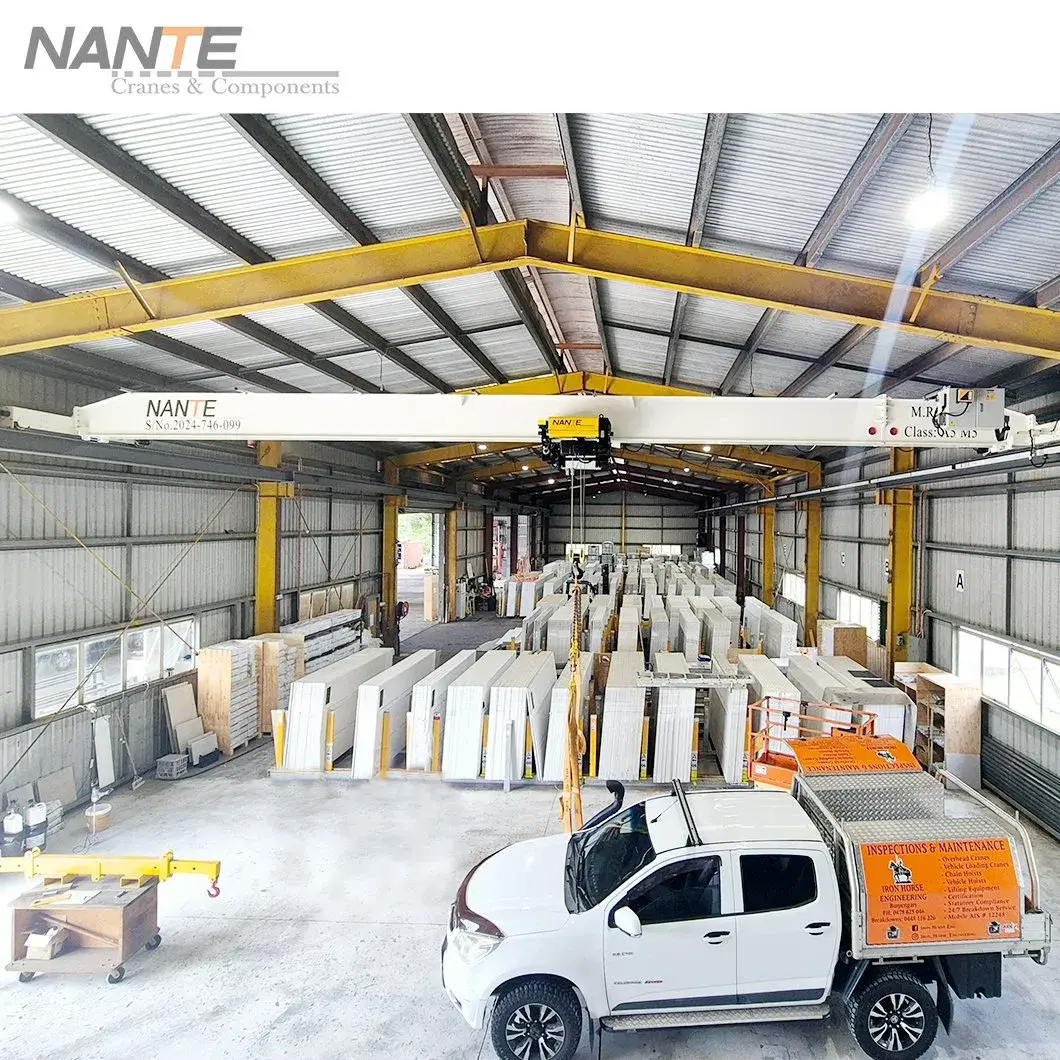
Overhead cranes fill many jobs in different manufacturing fields. They prove key for shifting large materials with care and grip.
In automotive manufacturing, they move heavy engines, transmissions, chassis frames, and built body parts along production lines. This ensures even join into assembly steps.
Steel and metal fabrication facilities depend on them to handle big coils, ingots, plates, and hot ladles. This allows safe shifts across heat spots.
Aerospace production uses overhead cranes for exact spot of large build parts such as wings, fuselages, and engine setups. Here, care matters most to skip high-cost mistakes.
General manufacturing operations apply them in machining shops, assembly areas, and warehousing for lifting molds, dies, machinery parts, and done goods during loading, unloading, and inside moves.
Before adding overhead cranes, many factories faced broken work flows. Workers shifted loads by hand or used many vehicles. This led to common waits, material harm, and full paths that slowed full flow. After using overhead cranes, material shift turns overhead and straight. It skips floor blocks.
For example, a medium metal work plant once had output stops during coil moves. This came from forklift limits and worker match problems. After putting in overhead setups, the facility got smooth changes from raw intake to done send-out. This cut move times a lot. It also raised daily output without growing the space.
Benefits of Overhead Cranes
The real business worth of overhead cranes comes from their skill to give clear gains. These back business growth and make money spend worth it.
Overhead Cranes for Heavy Lifting
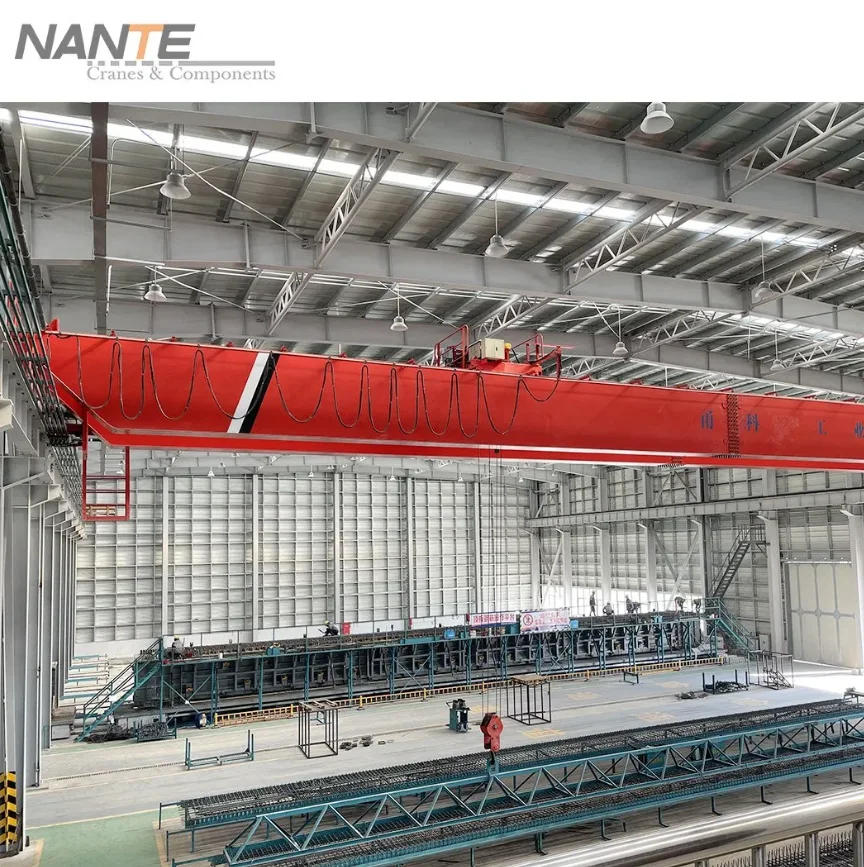
Why are overhead cranes the main pick for heavy lifting in factories? Their great load-hold skill makes them stand out. They handle weights from a few tons to hundreds of tons in work setups. This goes way past what hand teams or usual floor tools can do safely.
These cranes deal with over-size, thick, or odd-shape items that test other ways. Sure work setups show holds over 400 tons for special jobs. Factories without such setups often faced tool stress, part harm, or long stop times from weak lift power. With overhead cranes set up, work gets exact grip over heavy lifts. This speeds steps, guards key parts, and lets teams focus on add-worth jobs. They skip hard-force moves.
Improve Efficiency with Overhead Cranes
How much do overhead cranes raise factory efficiency? By fixing material move paths and cutting extra steps, they shorten cycle times. They also cut wait times and back higher flow over shifts.
Main efficiency gains include:
Overhead travel routes give the shortest, block-free paths between work spots. This cuts shift times.
Clear floor space lets free reach for staff, carts, and other tools. It stops traffic blocks.
Join of auto tools, such as exact spot and speed grips, lets repeat, quick work.
Reports show overhead cranes can raise material shift output by up to 30-50% in manufacturing spots. A factory changing to overhead setups often cuts move times by a lot. This leads to higher output and less work waits.
Overhead Crane Safety Advantages
Why do safety-first factories pick overhead cranes? These setups cut accident risks a lot. They do this by keeping workers out of direct load paths. They also add new guard tech.
Main safety gains cover:
End of hand heavy lifting, which cuts muscle injuries, pulls, and tiredness events a lot.
Raised load travel keeps heavy materials away from floor staff and tools. This lowers hit chances.
Usual tools like over-load checks, emergency stops, limit switches, and extra anti-hit devices give many safe backs.
Forklift-linked events, like falls and hit-by cases, stay common in busy spots. Overhead cranes ease these through gripped, far work. Before-crane spots often noted high injury rates from hand or other moves. After setup, work places got much safer. Incidents dropped, mood got better, and rule follow eased.
Better Space Utilization and Other Key Benefits
Overhead cranes open up high space that floor tools cannot. They change tight factories into more useful plans.
More gains include:
Max floor area for extra tools, store, or work flow fixes. This skips set paths for vehicles.
Long work life—often 65 years or more with right care—stands against short-life choices. It gives better long-term gain.
Lower on-going staff needs, less harm to goods, and cut care costs over years of work.
These parts join to make overhead cranes a smart tool for space-tight or high-flow factories. They aim for steady efficiency gains.
Overhead Crane vs Forklifts: Why Overhead Cranes Often Win in Factories
Factories checking lift choices often match overhead cranes to forklifts. Why do many end up picking overhead setups for main heavy needs?
Capacity superiority — Overhead cranes routinely handle loads up to hundreds of tons, while even large forklifts top out around 70 tons or less in practical use.
Durability and lifespan — Well-maintained overhead cranes serve reliably for 65+ years; forklifts typically require replacement after 10-15 years, driving recurring capital and downtime costs.
Safety profile — Elevated paths and remote controls minimize worker exposure and floor hazards; forklifts involve higher risks from maneuvering, tipping, and collisions in congested areas.
Space efficiency — Cranes eliminate ground clutter and can supplant several forklifts, freeing aisles and reducing congestion.
Precision and consistency — Superior load control supports delicate or repetitive tasks without the variability of forklift operations.
While forklifts excel in flexible, short-haul mobility, they fall short in high-capacity, high-frequency heavy lifting scenarios. Facilities shifting from forklift fleets to overhead cranes commonly experience lower lifetime expenses, fewer safety events, reduced product damage, and enhanced overall flow for heavy manufacturing tasks.
Ready to Boost Your Factory’s Performance?
Overhead cranes stand as a strong spend that gives real boosts in output, worker safety, space fix, and work sure—setting factories for long success in hard manufacturing spots. Leaders who take these setups often see changed work flows, cut risks, and better money show through efficiency gains and cost hold.
Nante Crane specializes in high-quality overhead cranes, crane components, and tailored solutions for manufacturing applications, including reliable designs for heavy lifting, workstation cranes, and more. With expert service and customizable options, Nante Crane helps factories optimize operations safely and efficiently. Contact us today to discuss your requirements and get a consultation.
FAQ
Why do factories prefer overhead cranes for heavy lifting?
They provide exceptional capacity, precision, and safety for massive loads, far surpassing manual or ground-based alternatives while boosting throughput.
What are the main overhead crane applications in manufacturing?
Key areas include automotive assembly lines, steel and metal processing, aerospace component handling, and general heavy material transport in production facilities.
How do benefits of overhead cranes compare to forklifts?
Overhead cranes deliver higher load limits, much longer service life (65+ years vs. 10-15), enhanced safety, and better space use; forklifts suit mobility but incur higher long-term risks and costs.
Are overhead cranes safer than other lifting methods?
Absolutely—overhead routing, remote operation, and built-in protections substantially lower injury risks compared to manual handling or forklifts.
How much can overhead cranes improve factory efficiency?
They frequently increase material handling productivity by 30-50% via faster cycles, reduced downtime, and optimized workflows.
What factors should decision-makers consider when investing in overhead cranes?
Assess load capacities needed, facility layout constraints, expected ROI from safety and efficiency gains, maintenance requirements, and options for customization to match specific manufacturing processes.