English


Overhead Crane Solutions for Paper and Pulp Plants Handling Rolls, Pulp, and Equipment
Overhead Crane Solutions for Paper and Pulp Plants Handling Rolls, Pulp, and Equipment
Date: 2026-02-20 Share:
An overhead crane for paper and pulp plants is a special tough lift setup made to deal with big parent rolls, raw pulp bales, chemicals, and heavy upkeep gear in tough, wet, and rusting work areas. Unlike basic factory cranes, paper mill overhead cranes and pulp mill cranes use A6–A8 work levels. They have rust-proof stuff, extra safety parts, and sway-stop tech. These made-to-order traits guard soft paper rolls from harm. They keep round-the-clock work going. They cut down on pricey stop times in steady paper-making steps. Mills count on these cranes to lift from 30 to more than 80 tons. They do this with care near winders, rewinders, and pulping vats.
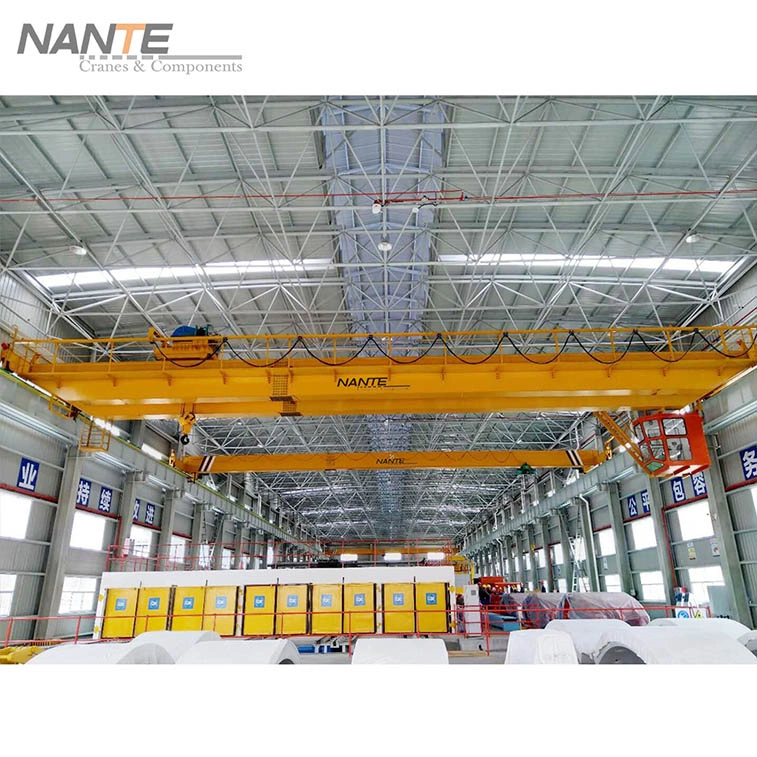
Overhead Crane Applications in Paper Mills
Overhead cranes fill key jobs at almost every step of paper making. They make sure materials move well in fast, steady runs.
Usual uses cover:
Shifting raw pulp bales and wood chips into pulping digesters and vats
Moving big parent rolls from the paper machine dry end to winders and rewinders
Lifting heavy machine parts such as dryer cylinders, felts, and forming screens during maintenance shutdowns
Transporting spare parts, chemical totes, and tools across wide production bays
Automated storage and retrieval of finished jumbo rolls in climate-controlled high-bay warehouses
These cranes aid non-stop making. They cut hand work and allow quick, safe load shifts.
Special Requirements for Paper and Pulp Plant Cranes
Paper and pulp mills make very hard settings for lift gear. Steady face to steam, high wet, acid or base pulping chemicals, and all-day heavy use leads to fast break down in plain cranes.
Usual weak spots of plain cranes are:
Bad rust on frame steel and power parts from wet and chemicals
Brake heat up and break from often heavy halts
Frame wear and splits from repeated high-use loads
Load swing that breaks roll sides or starts safety problems
Poor work level causing early wear and fails
Made overhead cranes for paper and pulp plants get built to beat these troubles.
Overhead Crane for Wet and Corrosive Environments
Wet-end parts, bleach plants, and pulping spots put cranes to steady wet, steam, and strong chemicals. Plain paints and seals fail fast here.
Guard traits include:
Thick epoxy covers and special paint setups on girders and end trucks
Stainless steel or galvanized crane components in key spots
Fully sealed IP65 or higher electrical panels and motors
Moisture-resistant wiring and connectors
Easy-access inspection points for routine corrosion checks
These steps lengthen crane life a lot in the worst mill areas.
High-Duty Cycle Overhead Crane
Paper mills need A6, A7, or A8 work levels (per FEM/ISO rules) to manage hard, steady service. These levels cover high load times, heavy weights, and almost always run.
High-work cycle gains include:
Support for 10–20+ lifts per hour across multiple shifts
Safe handling of parent rolls weighing 30–80 tons or more
Extended design life under maximum stress conditions
Reduced risk of fatigue-related structural issues
Lower long-term maintenance and replacement costs
A6–A8 rated cranes fit just right with the 24/7 calls of today’s paper making.
Types of Overhead Cranes Used in Paper Plants
Paper and pulp sites pick overhead crane types based on load, span, and use needs.
Common setups are:
Double-girder overhead cranes– preferred for heavy loads, long spans, and high-speed travel
Single-girder overhead cranes – used for lighter auxiliary maintenance tasks
Specialized parent roll handling cranes – fitted with custom spreader beams or vacuum lifters
Semi-automated or fully automated cranes – designed for high-density roll storage systems
Each setup gets made to fit exact mill plan, load shape, and run cycle.
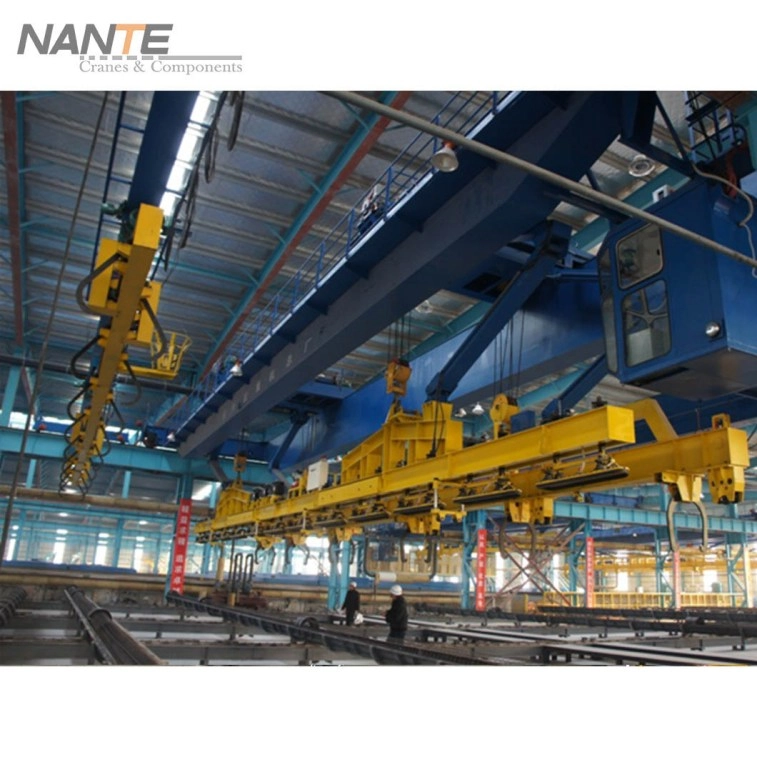
Paper Roll Handling Crane
Soft, high-worth parent rolls and done jumbo rolls call for exact, no-harm lifting.
Roll handling cranes add:
Custom J-hooks, C-hooks, or vacuum lifters tailored to roll diameter and width
Soft acceleration/deceleration to avoid surface marks or edge crush
Accurate positioning systems for alignment with winders and rewinders
Optional load rotation for correct orientation during transfer
These skills cut roll reject rates and guard product worth.
Anti-Sway Control for Paper Roll Handling
Unkept swing during bridge or trolley move risks harm to costly rolls and endangers staff.
Anti-sway tech uses power or gear ways to:
Dampens pendulum motion automatically
Enables higher travel speeds with stable loads
Improves final positioning accuracy at machines
Reduces cycle times while enhancing safety
This trait is key for good, no-harm roll lifting.
Crane Automation in Pulp and Paper Plants
Automation boosts work in big mills.
Automated crane gains include:
RFID or barcode integration for real-time inventory tracking
Semi-automatic positioning in high-bay storage racks
Reduced operator fatigue and human error
Seamless connection to mill-wide DCS or MES systems
Optimized warehouse utilization and faster retrieval
Automation aids higher output with less staff.
Safety and Reliability Requirements in Paper Mill Cranes
Steady-process mills can not stand stop time. Each hour lost costs thousands of dollars.
Main safety and steady traits are:
Redundant braking and overload protection
Emergency stop circuits and warning alarms
Limit switches and anti-collision devices
Compliance with FEM, ISO, and regional safety standards
Predictive maintenance using vibration and temperature sensors
These traits give sure-work in hard settings.
Redundant Braking System for Paper Mill Cranes
One-brake setups often heat up or wear out under repeated heavy stops.
Extra (two free) braking setups make sure:
Automatic backup if the primary brake fails
Secure load holding during power interruptions
Compliance with strict safety regulations
Lower risk of dropped loads in critical areas
Regen braking can also get added for power save.
FAQ
Why do paper mills need heavy-duty cranes?
Paper mills run 24/7 with big loads (parent rolls often exceed 50 tons), high wet, rusting chemicals, and all-day cycles. Plain cranes face fast rust, brake fail, and frame wear. This leads to high-cost stops and roll harm. Heavy-duty overhead cranes for paper and pulp plants (A6–A8 classification) with made rust guard, extra safety setups, and anti-sway control give the steady, care, and long life needed for good run.
What causes standard cranes to fail quickly in paper mills?
High humidity, steam, and pulping chemicals accelerate corrosion on steel and electrics. Frequent heavy lifts overload inadequate duty ratings, causing brake wear, structural fatigue, and sway-induced damage.
How does anti-sway technology benefit paper roll handling?
It eliminates pendulum motion, allowing faster, safer travel and precise positioning without damaging delicate roll edges or surfaces.
Why is redundant braking important in paper mill cranes?
It provides fail-safe stopping and load holding if one brake fails, preventing drops in critical production areas and meeting strict safety standards.
Discover Tailored Overhead Crane Solutions
Nante Crane focuses on made overhead crane for paper and pulp plants. It offers high-work cycle plans (A6–A8), rust-proof crane components, extra braking setups, anti-sway control, and auto traits for steady roll, pulp, and gear lifting. With full crane goods, exact parts, shown use skill across heavy fields, and set after-sales service, Nante Crane brings lasting, strong fixes that boost up time, safety, and work in the hardest paper mill settings. Contact us today to discuss your specific mill requirements and receive a tailored proposal.