English


Jib Cranes for Special Environments What Buyers Should Know
Jib Cranes for Special Environments What Buyers Should Know
Date: 2026-02-13 Share:
Jib cranes for special environments work as small, flexible lift tools. They get built to run steady in spots where normal cranes fail fast from hard conditions. Places in fields like oil and gas, chemical work, sea jobs, ports, shipyards, and waste water plants face blast air, steady wet, salt rust, rough dirt, heat or cold limits, or strong winds.
For such spots, picking the right crane goes beyond load size and arm length. It affects worker safety, rule follow, gear life, and work flow. Many buyers need explosion-proof jib crane setups to cut fire starts. Or they want special outdoor jib crane design parts to fight weather harm.
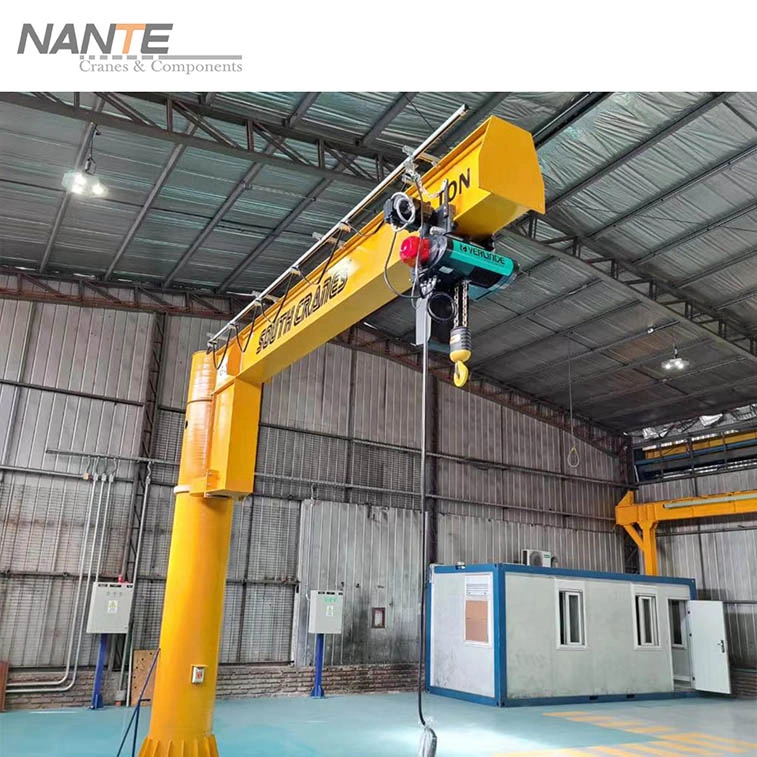
Where Are Jib Cranes Used in Special Environments?
Jib cranes shine when a site needs local lift help in a set circle. This comes without the cost or room needs of a full top bridge crane. In usual inside shops, ready-made types work fine. But many tough jobs call for types changed to beat strong surrounding issues.
Hazardous Areas with Explosion Risks
Oil plants, chemical sites, gas work spots, sea rigs, paint rooms, and drug make areas often hold burn air, steam, or fire dirt clouds. A small wire spark or part flash can start a big blast.
In these marked danger zones, an explosion-proof jib crane is required. Normal motors, switches, and control boxes make fire starts. They break safety rules. Built-for-job types cut these dangers with special builds.
Outdoor and Weather-Exposed Locations
Open stock yards, port sides, ship fix spots, sea docks, build sites by water, and sea help bases show gear to steady rain, snow, salt air, sun rays, cold air, and hard winds.
A strong outdoor jib crane design is key to keep work and build strength over years. It skips quick wear from rust, stuck parts, or wire breaks.
Harsh or Corrosive Industrial Settings
Sea make plants, salt water plants, waste water sites, plant food spots, mine work, and food work areas with strong chem steam or steady high wet speed up rust fast.
Without right part picks, face fixes, and seals, normal cranes drop paint, dent builds, and face early part breaks. This happens in part of their planned use time.
Key Environmental Restrictions for Jib Cranes
Spot-based conditions set hard limits on crane picks. Skipping these points often leads to rule breaks, fast wear, often upkeep, or big safety events.
Explosion and Ignition Risks
Danger spot marks (like Zone 0/1/2 for air or Zone 20/21/22 for dirts) set gear needs. Rules say face heat must stay under fire points. And no sparks, flashes, or hot spots can happen in normal or fault times.
An explosion-proof jib crane uses guard ways like fire-safe (Ex d) boxes, added safe (Ex e) builds, built-in safe (Ex i), or dirt-tight (Ex t) parts. This gets okay under rules like IECEx, ATEX, or same home codes.
Weather and Outdoor Exposure Challenges
Long wet leads to rust grow. Salt mist speeds electric rust. Sun rays harm paints, seals, and plastics. Strong winds put big side push on the arm. Cold below zero thickens oils and hardens seals.
A weak outdoor jib crane design causes rusted posts, water in wire boards, stuck turn bearings, and falling coats. This often hits in one to three years in hard air.
Other Harsh Environment Factors
Very high heat harms oils, wraps, and seals. It also cuts motor work.
Hard low heat makes parts hard to break and locks brakes.
Steady rough dirt cuts slide faces and gets in bearings.
Strong chem steam hits paints, rubber parts, and even no-rust types.
High wet air grows hid inside rust and wire paths.
Each point cuts life on its own. This holds unless fought with part up grades and guard builds.
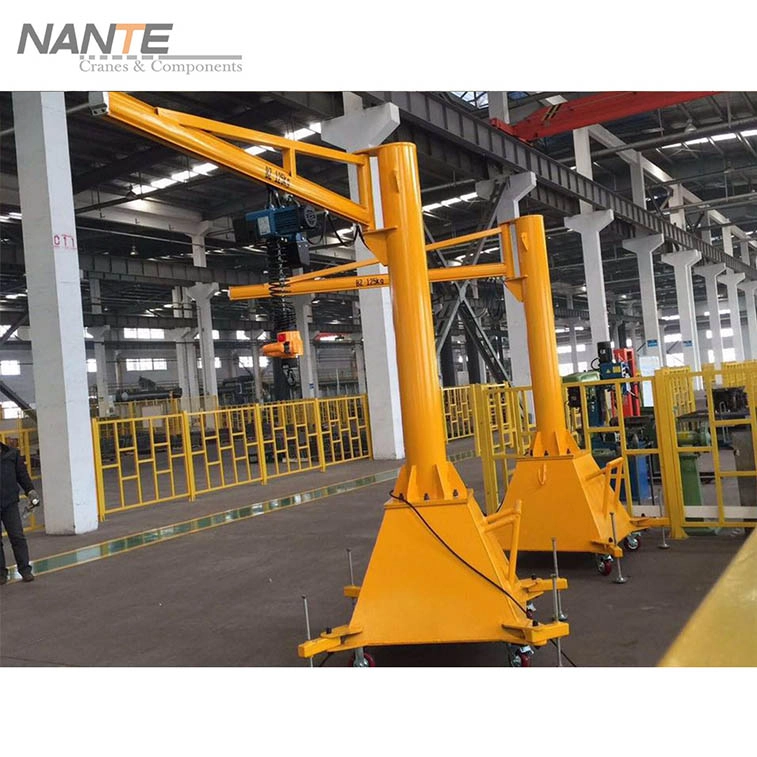
Custom Safety Options for Jib Cranes in Special Environments
Most buyers get big plus from changes. Fit parts make sure rule okay, cut stop times, lower full own costs, and boost work safety a lot.
Explosion-Proof Jib Crane Features
Fire-safe or added-safe electric motors with okay boxes
Closed, no-flash control boxes, end switches, and hand units
Built-in safe low-power wire paths or blast-safe DC setups
Special seals and wires that keep the guard level
Full ground and even bond to cut static fire risks
Heat-marked parts (T4–T6) to stay under air fire points
These parts together meet world okay marks (IECEx, ATEX). They allow legal, safe work in marked blast zones.
Outdoor Jib Crane Design Enhancements
Hot-dip zinc on build steel parts for better rust fight
Sea-fit epoxy or poly many-layer coat setups
IP55 or IP66 marked wire boxes with sealed seals and air outs
No-rust steel (316 grade) bolts, pins, and tools in open spots
Sun-safe and weather-fight ends on non-zinc faces
Strong base plates, posts, and turn rings built for wind push
Closed or twist-shield bearings and oil-packed turn drives
A full outdoor jib crane design set gives steady work in rain, salt mist, high wet, and heat shifts for 15–25 years with normal care.
Additional Safety and Durability Customizations for Harsh Environments
Site buyers often ask for these adds to fit exact spots:
- New rust-fight coats (e.g., C5-M sea-fit setups)
- No-rust steel lift parts or bronze no-flash hooks/wheels for mix rust + danger needs
- Over-load guard tools that stop over rated load
- Clear rush stop buttons open from many sides
- Geared end switches for exact move check and end-path guard
- Motor turn with soft-start/soft-stop power changers to cut part shock
- Paired blast-guard or weather-sealed chain or wire rope lifts
- Shake and heat sensors for ahead upkeep in key jobs
- Strong arms with less bend for exact load hold under wind
These picks turn a base crane into a job-fit fix that holds mix issues.
Why Customization Matters for Facility Buyers
List-normal jib cranes aim at set inside spots with few dangers. In tough surroundings, the low-cost type almost always costs more. This comes from early swap, work stops, rule fees, or safety events.
A right changed crane:
Meets full local and world safety rules from set day
Cuts upkeep times and spare part use a lot
Guards staff with steady work and built guards
Gives better long-run worth with longer use life and more ready time
Spend time to tell site facts right. This covers danger zones, weather show, chem near, load ways. Tell them to a smart supplier. It brings the best fit and low-cost fix.
Ready to Find the Right Jib Crane for Your Environment?
Nante Crane focuses on steady crane fixes. These include jib cranes for special environments with picks like explosion-proof designs and strong outdoor changes. With a full set of crane goods, parts, and services. From work station and sea models to full help. Nante brings tough, rule-fit lift gear fit to hard jobs. Contact the team today to talk needs and get pro help.
FAQ
What is an explosion-proof jib crane?
An explosion-proof jib crane uses fire-safe motors, no-flash parts, closed boxes, and built-in safe checks. It runs safe in burn air or dirt-full air without making fire starts.
Can a jib crane be used outdoors?
Yes. When fit with right outdoor jib crane design parts like hot-dip zinc, IP55+ boxes, sea-fit coats, sealed bearings, and sun-fight ends. It gives steady work even with rain, salt, wind, and heat limits.
What makes jib cranes suitable for harsh environments?
Change parts like rust-fight stuff (no-rust steel, special mixes), new guard coats, better seals, over-load guards, and okay explosion-proof parts. They let jib cranes hold rust, rub, chems, and blast risks.
How do I choose the right jib crane for my facility?
Check exact surroundings (danger mark, weather show, rust chems), need load, lift high, arm reach, and safety rules. Then talk to a skilled supplier for fit picks and rule check.