English


How to Get an Accurate Overhead Crane Quote – Essential Information Buyers Must Provide
How to Get an Accurate Overhead Crane Quote – Essential Information Buyers Must Provide
Date: 2026-02-06 Share:
Giving full and exact facts stands as the key action to get a quick, right overhead crane quote. Buyers who send missing specs force suppliers to guess. This causes wrong prices, several fix rounds, and annoying waits. Proper facts ready at the start cut extra talks. They also bring solid overhead crane price guesses. Plus, they help push the task ahead with better speed.
Information not complete = price not accurate – always give as much fact as possible. This makes the quote match the real cost and needs of the use.
Load Capacity and Lifting Requirements
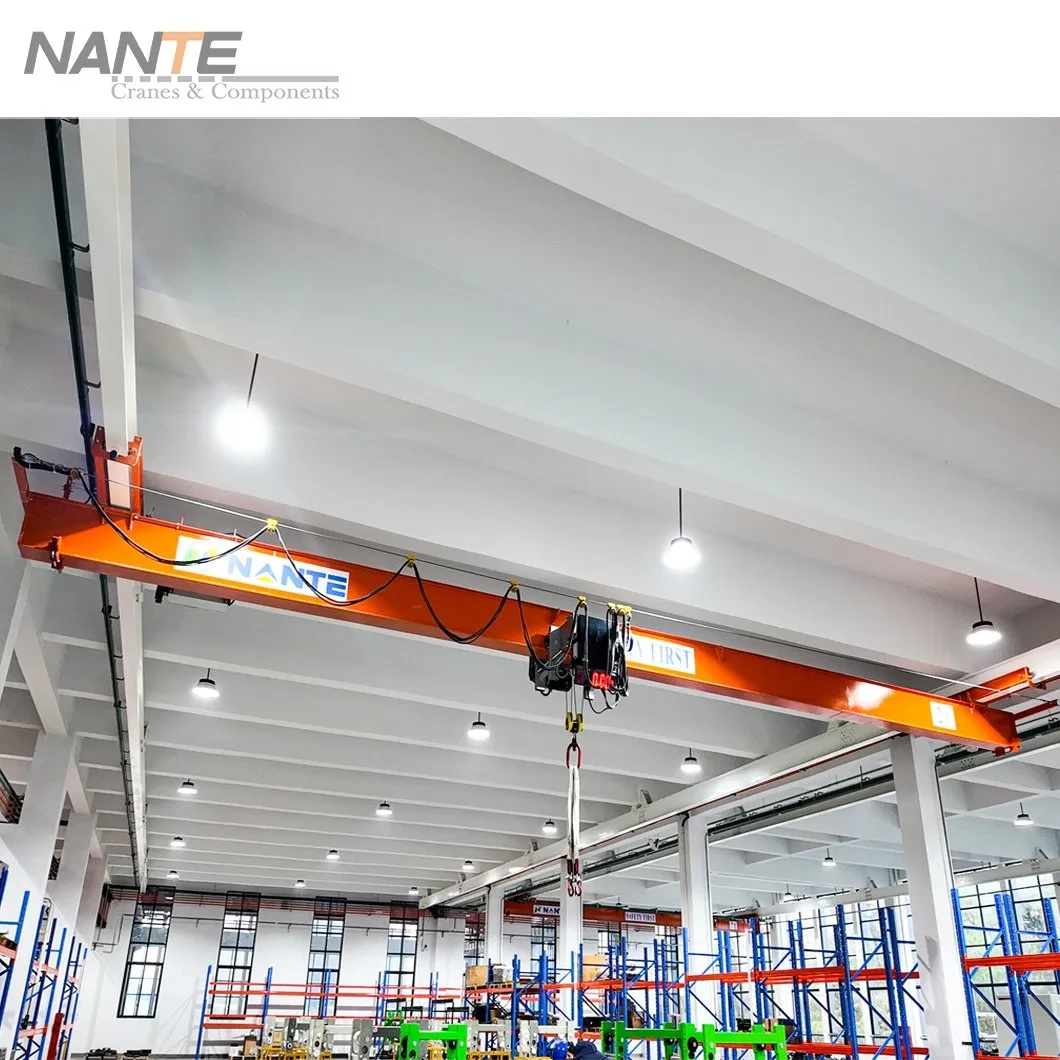
The load capacity forms the base of each overhead crane quotation. Suppliers must know the exact lift items for the crane. This lets them pick the right hoist, girder size, and build parts.
Begin with the maximum load capacity. For instance, note 5 tons, 10 tons, 20 tons, or up to 300 tons for big factory uses. Make it clear if the crane faces rare extra loads. Or state if the given capacity marks the full top limit.
Then, give the lifting height, known as hook height too. Measure it from the floor to the top spot the hook must hit. This shapes the crane’s height, girder depth, and hoist plan.
Last, explain the load type in full: Is it machines, steel rolls, forms, box stacks, or breakable goods? Add any extra handle needs. For example, exact place, sway stop, or guard from harm to soft spots.
These load facts matter a lot. They set the crane’s machine power, safe margins, and full price.
Span and Building Dimensions
The real size of the site holds a big part in the plan and price of an overhead crane.
The top measure is the span. It means the open space between runway rails or site posts that hold the crane. A bigger span needs a tougher girder. It can raise the price by a lot.
Give the whole runway length, or move path along the area. Also add area width. Note any blocks like posts, pipes, air lines, or machines that might stop crane moves.
Add space needs too: headroom from the crane’s low point to the floor, side space from crane end trucks to walls or blocks, and any limits on site height.
State if the crane runs top-running, with wheels on top of runway rails. Or underhung, with wheels on the bottom edge of runway beams. These picks change setup ease and price.
Right sizes make sure the crane fits well. It also runs safe without big changes later.
Duty Class and Operational Usage
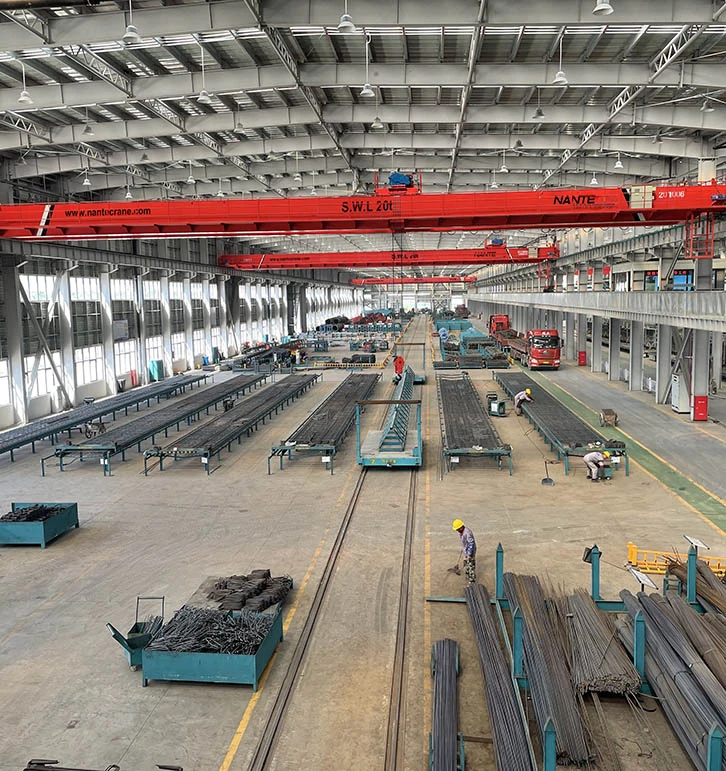
The duty class, or work group, sets how hard the crane gets used. It picks the strength and long life of its parts.
Usual rules cover CMAA (Crane Manufacturers Association of America) Classes A through F. Or FEM (European) groups from 1Am to 4m. Easy-duty cranes (Class A/B) fit rare use. Tough or hard-duty cranes (Class E/F) suit steady, often work.
Give the planned use way: lifts per hour count, shifts per day number, and full run hours per year. For example, a crane lifting 10 tons 20 times per hour in a round-the-clock steel plant needs a higher duty class. This differs from one used now and then in a store house.
Add wanted move speeds for hoist, trolley, and bridge. Quick speeds need stronger motors and guides. They raise the price.
Picking the right duty class brings long-run trust. It stops early wear or safe problems.
Work Environment and Operating Conditions
The work setting shapes pick of materials, cover layers, and extra parts.
Note if the crane goes indoors or outdoors. Outdoor ones need weather guard, rust-fight paints, and shut electric boxes often.
Give the heat level span: big heat like in metal shops, ice cold like in freeze stores, or big shifts. High wet, dirt, or harm air like in chem plants or coat lines need special stuff. Think steel that fights rust or hard cover layers.
If the setting holds risk, like blast air (ATEX/IECEx zones), blast-safe motors, guides, and lights become must-haves.
Add other special spots, like big shakes, sea salt air, or chem touch. These guide crane components choice. They change price and life span a lot.
Standards, Certifications, and Additional Features
Match to work rules and local laws stays a must for safe and legal okay.
List needed rules: CMAA, FEM, ISO, ASME, OSHA, CE marking, or set country codes. For world tasks, more than one okay may fit.
Give any extra okays: blast-safe (Ex), shake-rated, or ray-fight.
Explain wanted guide systems: hanging button push, radio far guide, cab run, or full auto with PLC link. Note safe parts like load guard, end stops, hit-stop tools, or rush halts.
If extra add-ons fit, like speed-change drives, weight tools, or link to old auto, add these facts early.
Giving this info at the start stops high-cost fix orders. It makes sure the crane hits all rule and work needs.
Overhead Crane RFQ Checklist – Your Quick Reference Guide
Use this full overhead crane RFQ checklist when readying the ask:
- Maximum load capacity and detailed load description
- Lifting height (hook height)
- Span and runway length
- Building dimensions, clearances, and runway type (top-running or underhung)
- Duty class (CMAA/FEM) and usage frequency (lifts/hour, shifts/day, operating hours/year)
- Travel speeds required (hoist, trolley, bridge)
- Work environment (indoor/outdoor, temperature range, dust, corrosion, hazardous areas)
- Required standards, certifications, and safety features
- Control type (pendant, radio, cabin, automated)
- Any special features, accessories, or integration needs
Ready to Request Your Custom Overhead Crane Quote?
With the facts listed above, readiness exists to ask for a quick, right overhead crane price quotation. Pulling these details speeds the way. It also makes sure the end plan fits the use just right.
About Nante Crane
Nante Crane serves as a top manufacturer with over 30 years of experience, specializing in high-quality overhead cranes, gantry cranes, and crane components like hoisting mechanisms, travelling mechanisms, controls, and power supplies. Our intelligent, energy-saving solutions serve industries worldwide, including manufacturing, steel, mining, and offshore applications.
Reach out today to talk project needs. The skilled group will give a fit quote based on exact specs.leading
FAQ
What is the most important information for an overhead crane quote?
Load capacity, span, lifting height, and duty class stand as the key ones. Missing details lead to wrong prices and waits.
How long does it take to receive a quote?
With full info given, a right quote comes in just a few days most times.
Why does duty class matter in pricing?
Duty class sets the strength, part good, and life of the crane. It shapes the price straight.
Can I get a quote with partial information?
Part details let a rough guess. But full specs prove key for right and no fix needs.