English



How Buyers Can Define Crane Requirements Without Technical Drawings
How Buyers Can Define Crane Requirements Without Technical Drawings
Date: 2026-02-05 Share:
Buying a crane without technical drawings poses a usual problem for many buyers. This holds true especially for those new to the task or in non-engineering jobs. The positive side is that clear, exact facts can still go to suppliers. This leads to solid and fair bids. This full practical crane specification guide for buyers lays out a clear step-by-step way to defining crane specs without drawings. It allows non-engineers to convey lifting needs to suppliers in a strong and sure manner. Thus, it ensures the correct crane for the job. This applies to overhead cranes, gantry cranes, workstation cranes, or construction cranes.
Why Accurate Crane Requirements Matter Without Drawings
Plain specs at the outset bring exact bids. They cut changes. And they yield the best crane pick. Crane Suppliers depend on these facts to link needs with the right build, capacity, parts, and safety rules. Lacking them means bids that are general or off. This results in gear that does not match.
Partial or fuzzy facts can create big waits in build and send times. They lead to gear that fails to fit the work space. Or they bring surprise extra costs for later fixes. Giving basics early saves key time. It lowers costs over time. And it promises safe, steady work through the crane’s full run. Exact specs also let suppliers use the proper duty type. Plus, they make sure of rule follow from groups like the Crane Manufacturers Association of America (CMAA) and OSHA.
Step 1: Identify the Type of Crane You Need
Begin by picking the crane group that suits the work space, task, and run setting best.
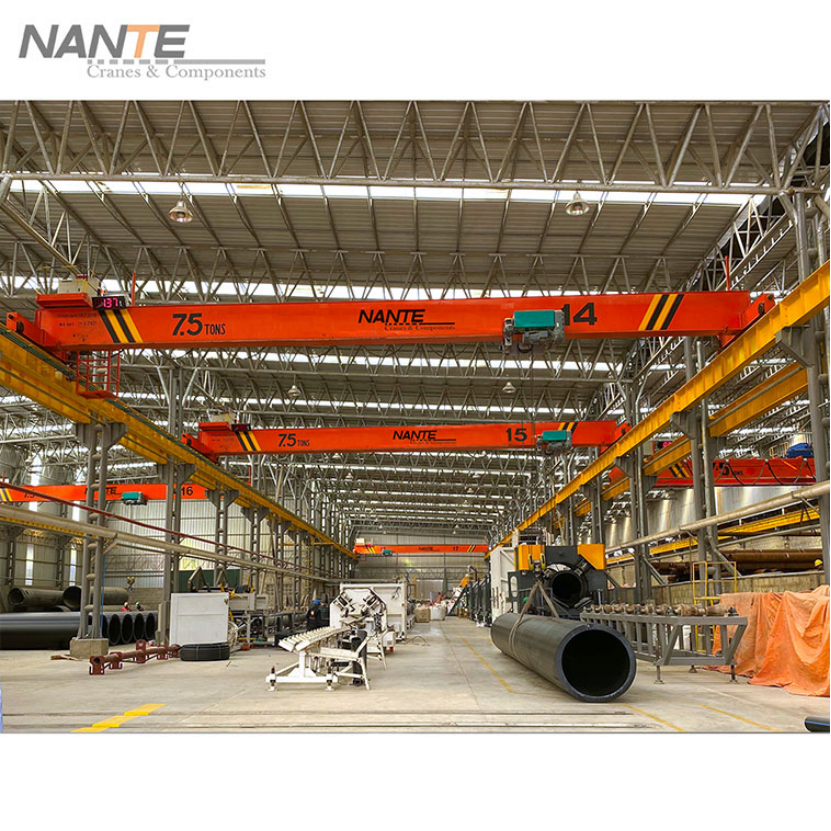
- Overhead cranes (also known as bridge cranes) run on raised runways inside builds. They work well for plants, stores, and make spots with tall roofs. There, full floor use matters most.
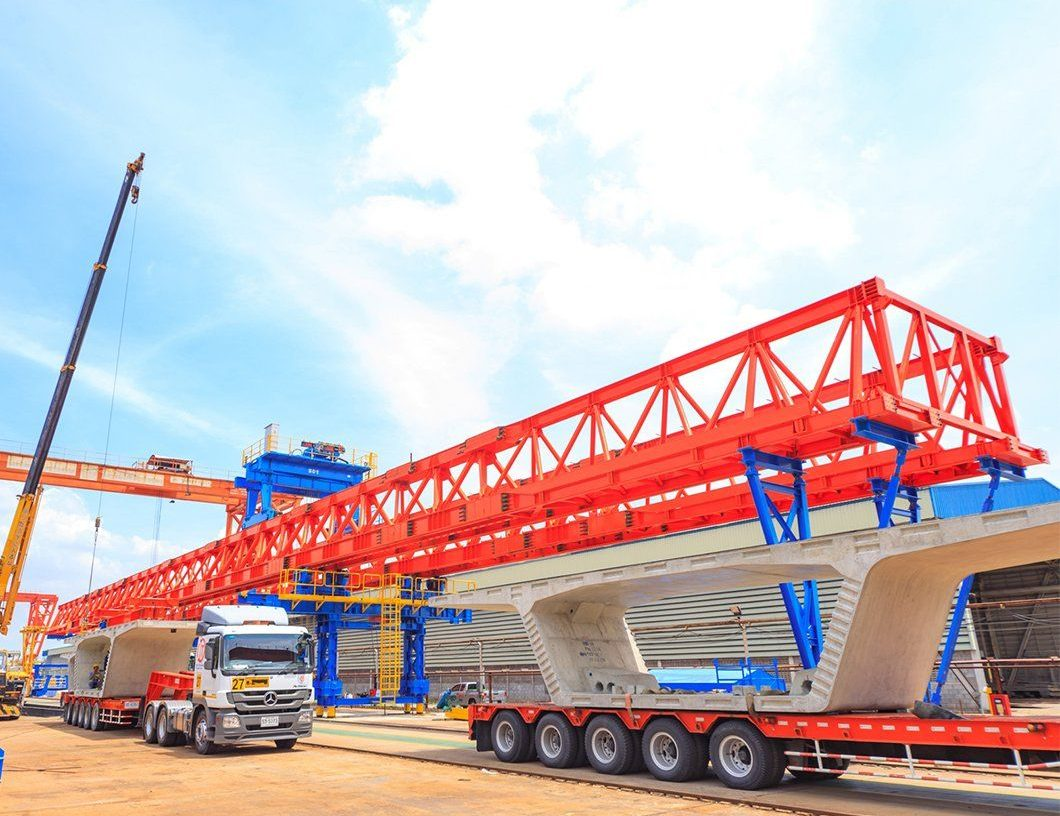
- Gantry cranes have legs that roll on floor tracks or wheels. They fit open yards, bendy setups, or spots without build runway aid. They offer move ease and simple set-up.
- Workstation cranes or jib cranes fit light, local lift jobs in small areas. Such as line builds, tool shops, or fix zones. They give exact handle with small space take.
- Construction cranes (tower or mobile) manage heavy open loads on work sites. They suit build jobs, base work, or big goods moves.
Think hard about the setting: indoor plant with low roof space, open yard open to weather, tight area with blocks, or set limits like power reach. Picking the right crane group first aids suppliers in suggesting the best fix from the start. It stops time loss on unfit picks.
Defining Crane Specs Without Drawings: Essential Parameters to Start With
Start by gathering the main facts that set the lift needs. Use a basic list or table to sort them for simple share with suppliers.
- Lifting Capacity — Note the top weight the crane must lift often (e.g., 5 tons). Add any rare heavier ones (e.g., 10 tons). Include load kinds, such as machines, steel coils, boxes, or odd forms. These change hook build and steady.
- Span — The space between runway rails for overhead cranes. Or leg-to-leg width for gantry cranes. This sets the crane’s cover zone.
- Lifting Height — Gauge from floor to the top hook spot needed. Think of the tallest load and any stack needs.
- Hook Height / Clearance — The needed height over blocks, machines, or work zones. This keeps safe run.
These core points build the base of any crane spec. True gauges here stop too big or too small builds. Thus, the crane fits the space and lifts loads well.
How to Communicate Crane Requirements Effectively to Suppliers
Use simple words to tell of the task and daily runs. Explain what gets lifted, how much, and in what spots. This helps suppliers grasp the real needs.
Main points to add:
- Daily/weekly usage: Guess the lift count per hour or shift (e.g., 20 lifts per hour during an 8-hour shift).
- Operating environment: Indoor plant with set heat, open yard open to rain and wind, hard spots like dust, wet, or harm chemicals.
- Power supply: Voltage (e.g., 480V/3-phase), any special needs like blast-proof setups.
- Desired features: Pendant control, radio remote for better sight, variable frequency drives for even run.
Suppliers like clear, direct tells. They aid in fitting bids right. And they cut mix-ups that could bring high costs later.
Crane Requirements for Non-Engineers: Simple, Practical Steps
Non-tech buyers can ready firm specs with common tools and ways. No build degree is needed.
- Gauge key sizes with a tape, laser tool, or site plans to get true span, height, and spaces.
- Note use rate to set duty cycle (light for rare lifts, medium for steady use, heavy for full runs).
- List place factors: high or low heats (below freezing or above 100°F), chemicals, dust, or open show that may need special coats or goods.
- Tell of work space limits: roof height, floor space bounds, door way, posts, or other blocks that change crane place.
Many suppliers give easy forms or lists. These make the task simpler for non-engineers. They lead through each point one by one.
Conveying Lifting Needs to Suppliers: Leverage Visual Aids
Basic drawings, outlines, or photos make needs far clearer than words only.
- Draw rough top and side views. Show span, runway length, lift ways, and blocks like machines or posts.
- Mark key sizes and spaces right on the draw for fast check.
- Take marked site photos. Use arrows to point lift spots, blocks, work zones, or risk spots.
- Point to like setups or standard crane types if on hand. This gives background.
These sight aids let suppliers see the setup fast and true. They lead to better fit bids. And they cut need for back talk.
Practical Crane Specification Guide for Buyers: Essential vs. Optional Details
Rank facts to skip overload on suppliers in first asks. Yet give enough for good bids.
Essential (Must Provide)
- Maximum and average load weight
- Span and lifting height
- Duty cycle / frequency of use
- Application and load type (e.g., precise placement or bulk handling)
- Environment and power supply
Optional (Helpful for Refinement)
- Specific travel speeds for bridge, trolley, and hoist
- Advanced controls or automation features
- Crane component preferences (e.g., brand of hoist or motor)
- Future expansion needs (e.g., increased capacity later)
Begin with basics for first bids. Then add facts as talks go on to fine the build.
Additional Considerations for Optimal Crane Selection
Think of safety spaces, like at least 3 inches over head and 2 inches side per OSHA rules. This skips blocks and keeps safe moves. Weigh future wants like more capacity, extra shifts, or lay changes.
Duty type (from CMAA guides) matters much: Class A for rare standby run, Class B for light run with low average loads, up to Class F for hard run with steady heavy use. Add in set space, runway needs, rule follow, and any special certs for risk spots.
Benefits of Clear Communication and Well-Defined Specs
Exact needs bring quick bids, better prices, and cranes that fit runs just right. This way cuts changes. It lowers costs long term. And it promises safe, steady work.
Ready buyers get more fair offers often. They build firm ties with suppliers. And they gain gear that lifts output and safety.
Get Expert Guidance from Nante Crane
Nante Crane focuses on custom overhead cranes, gantry cranes, construction cranes, workstation cranes, offshore cranes, and high-quality crane components. Products suit varied plant tasks. They offer steady work, forward parts like variable frequency drives and radio controls, and full rule match with world sets such as CMAA, FEM, and OSHA.
With broad know-how across fields, services cover build advice, set aid, fix plans, spare parts give, and site train. The team aids buyers world-wide through all steps. This holds even without technical drawings. It sharpens needs, gives fit picks, and brings best lift fixes that fit budget and runs.
Reach out now and let Nante Crane bring the right crane fix.
FAQ
Can I get a crane quote without technical drawings?
Yes! Share core specs like capacity, span, height, duty cycle, plus simple sketches or photos for accurate preliminary proposals.
What if I’m unsure about some crane requirements?
Provide what you know and highlight uncertainties. Experienced suppliers will ask clarifying questions or suggest suitable options.
How detailed should initial crane specs be?
Focus on essentials (load, span, height, usage, environment) first. Additional details can be added later for refinements.
Why use photos or sketches when conveying lifting needs?
They help suppliers understand your workspace layout, obstacles, and requirements better than words alone, leading to more precise and suitable recommendations.