English


Overhead Crane Design Considerations for Harsh Environments
Overhead Crane Design Considerations for Harsh Environments
Date: 2026-01-30 Share:
Running an overhead crane in tough places takes much more than regular ready-made gear. Factories that deal with strong rust, very high heat, thick dust, lots of moisture, or steady outdoor weather need special crane design for extreme conditions. This setup makes sure the crane stays safe, lasts a long time, and works at its best. Normal cranes, made for usual indoor factory spots, wear out fast, break down often, and create safety dangers when used in these hard spots. Custom heavy duty overhead crane design fixes these problems. It uses chosen materials, strong protective layers, special crane parts, and smart extra strength. This full guide looks at the main tough weather factors. It also shows why picking a fully custom solution matters so much for strong industrial overhead crane protection.
Corrosive Environments
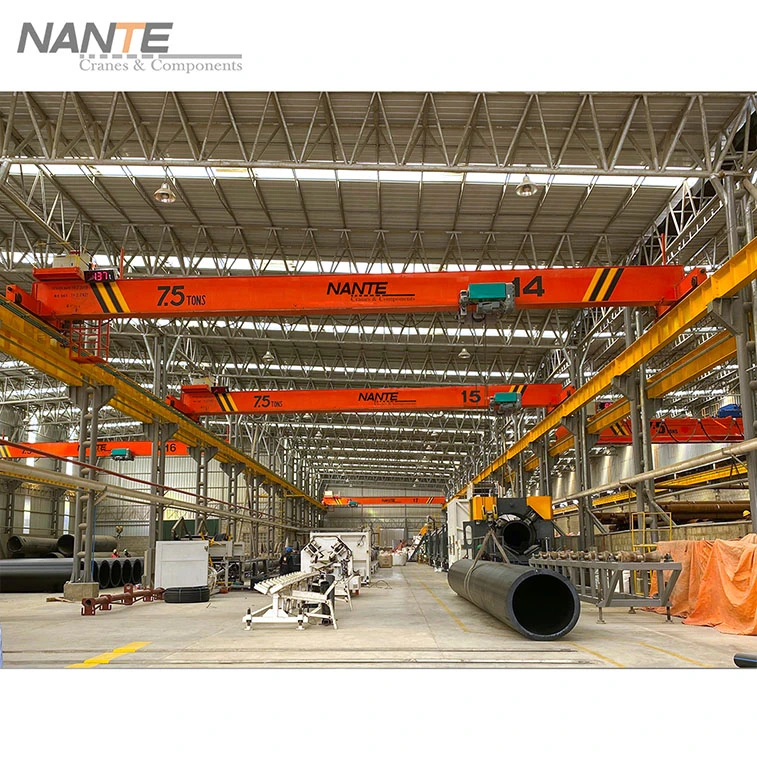
Corrosive spots—like chemical plants, galvanizing shops, sea ports, and wastewater centers—put overhead cranes near harsh stuff like acids, bases, salt mist, and wet air. These things quickly eat away at metal and electric parts.
Impact on Crane Structure
Rust hits structural steel hard. It makes pits, cracks, and weaker spots that cut load strength over time. Welds and bolts lose power as rust gets in. This creates weak points under big loads. Regular paint and basic galvanizing break down fast here. They leave the crane open to big structural damage.
Impact on Crane Motor
Acid or salty air sneaks into motor cases. It rusts windings, bearings, and inner pieces. This causes insulation to fail, too much heat, and motor burnout. Moisture plus harsh stuff speeds up short circuits. It shortens motor life a lot.
Impact on Control System
Control boxes and wires hit by corrosive fumes wear out quickly. Contacts rust, insulation breaks, and boards corrode. This leads to weird signals, wrong safety locks, and many breakdowns. These problems raise downtime and bring real safety risks during lifts.
Custom overhead crane solutions fight these issues. They use top stainless steel beams, hot-dip galvanization with extra epoxy or polyurethane coats, sealed IP66+ boxes for motors and controls, and rust-proof wiring. These special steps make the gear last much longer. They keep things dependable in the worst corrosive places.
High-Temperature Environments
High-heat spots—in steel mills, aluminum plants, glass factories, and forging shops—often put cranes in air over 100°C. Sometimes it hits 200°C or more near hot sources.
Impact on Crane Structure
Long heat exposure causes parts to grow and shrink. This leads to beam shifts, joint stress, and possible bending. High heat also lowers the strength of normal steel. It raises the chance of lasting bends or breaks under weight.
Impact on Crane Motor
Heat harms motor insulation, drops efficiency, and wears bearings fast. Without good cooling, motors get too hot quickly. This sets off heat shut-downs or lasting damage to windings and rotor parts.
Impact on Control System
Electronic pieces in controls react badly to heat. Overheating breaks semiconductors, ruins capacitors, and makes sensors wrong. This causes shaky work, lost accuracy, and possible safety failures.
Heavy duty overhead crane design for high-heat jobs uses heat-proof alloys, double insulation, shiny heat shields, forced-air cooling, and high-heat bearings and oils. These parts keep the crane running fully and safely even in very hot spots.
Dusty and Humid Environments
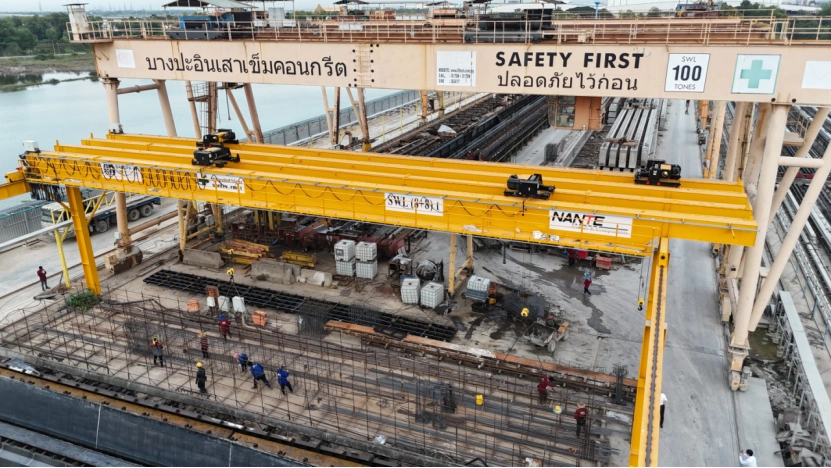
Dusty and wet places—like mines, cement factories, gravel sites, and coastal plants—bring fine rough bits and steady moisture. These get into and harm crane parts.
Impact on Crane Structure
Rough dust builds up on rails, wheels, and joints. It causes fast wear and scratches. In wet air, dust mixes with moisture to make a rust paste. This eats unprotected surfaces and weakens the structure over time.
Impact on Crane Motor
Dust blocks air vents. This cuts airflow badly and makes motors overheat. Moisture gets inside. It rusts windings and bearings, lowers insulation strength, and raises chances of electric problems.
Impact on Control System
Dust gets into control boxes. It causes short circuits, worn contacts, and relay breaks. High humidity makes water form inside boxes. This rusts boards and connectors. It messes up control signals and safety features.
Custom solutions include sealed IP65 or better motors and controls, strong dust filters, pressurized boxes to stop entry, and stainless or coated parts. These guards block dust and moisture well. They ensure steady, long work.
Outdoor Exposure and Weather Conditions
Outdoor overhead cranes face rain, snow, wind, sun rays, big temperature swings, and freeze-thaw cycles all the time. These speed up wear on every crane part.
Impact on Crane Structure
Wet and dry repeats make rust worse. Sun rays break down protective layers. Strong winds add extra moving loads. Freeze-thaw cycles crack unprotected welds and joints.
Impact on Crane Motor
Rain gets into motors. It harms windings and bearings. Very cold air thickens oils and lowers start power. Sun rays crack cable covers and ruin seals. This lets more moisture in.
Impact on Control System
Water hits panels. It causes electric faults and rust inside. Wide temperature changes mess up sensor settings and electronic trust. Wind-driven rain pushes moisture past normal seals.
Custom outdoor overhead crane designs have full weatherproof boxes, anti-water heaters, sun-resistant coats, stronger wind-load math, and sealed cable setups. These features give steady work in the roughest outdoor spots.
Why Standard Cranes Are Not Enough – The Need for Customization
Standard overhead cranes are built for calm indoor spots with normal heat, little dust, and low rust risk. When used in harsh environments, they suffer from:
Weak protective layers and seals that fail fast
Normal materials that cannot handle heat or chemical stress
Poor dust and moisture guards that lead to many breakdowns
Higher fix costs and bigger safety dangers
Early failures raise repair bills. They also cause expensive work stoppages and possible accidents at work.
Custom crane design for extreme conditions gives exact engineering answers that match the site’s special challenges. By choosing special crane components—like rust-proof steels, high-heat motors, sealed controls, and stronger builds—custom designs get much better lasting power, less upkeep, and stronger safety. This turns the crane from a possible problem into a trusty, long-lasting tool in the hardest industrial places.
Partner with Nante Crane for Tailored Solutions
Nante Crane specializes in custom overhead cranes and crane components for tough jobs. This includes harsh environments like steel mills, ports, mining, and offshore work. With flexible designs, top engineering, and full services, Nante delivers dependable, energy-saving solutions made for specific needs.
Explore our overhead cranes | Contact us today for expert consultation.
FAQ
Q: What makes custom overhead crane design essential for harsh environments?
A: Customization ensures specialized materials, advanced protections, and engineered components that withstand corrosion, heat, dust, humidity, and weather—unlike standard cranes that fail prematurely in extreme conditions.
Q: How does high temperature affect crane motors and controls?
A: Extreme heat causes insulation breakdown, bearing wear, overheating, and electronic failures; custom designs incorporate cooling systems, heat shields, and high-temperature-rated components.
Q: Can standard cranes be modified for extreme conditions?
A: While modifications can help in some cases, full custom heavy duty overhead crane design provides superior long-term reliability, safety, and cost-effectiveness.
Q: What protections are needed for dusty and humid environments?
A: Sealed IP65+ motors and controls, dust filtration systems, pressurized enclosures, and corrosion-resistant materials prevent ingress and extend component life significantly.