English


Crane Components Price Guide: What Affects the Cost of Key Parts
Crane Components Price Guide What Affects the Cost of Key Parts
Date: 2026-01-22 Share:
Understanding crane components cost matters a lot for buyers who plan overhead crane or gantry crane projects. Prices for key crane parts—such as crane motors, crane gearboxes, crane brakes, and crane electrical systems—often change quite a bit because of custom specifications. This guide describes what influences crane component price. It looks at duty class, operating environment, safety standards, and expected service life. Learning these crane parts price factors lets buyers set realistic budgets, compare offers with confidence, and prevent surprise costs when talking to suppliers.
Why Crane Component Prices Vary
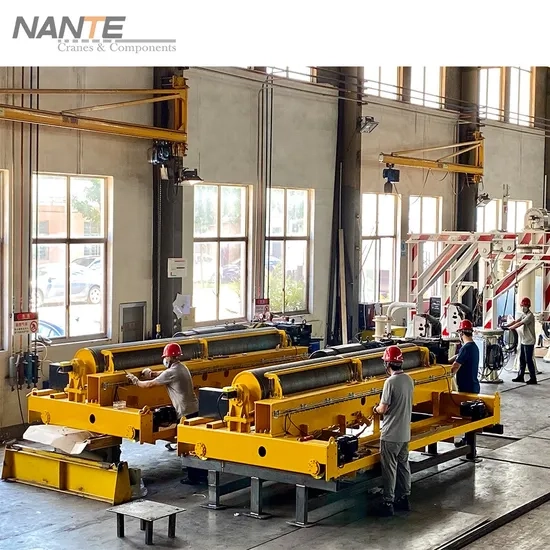
Crane components act as custom-built engineering solutions instead of ordinary products. A crane motor or gearbox made for one job might appear almost the same as another one. Yet they differ greatly inside, in materials, and in performance levels. This custom nature stands as the main cause for different crane component prices, even when parts seem quite similar at first glance.
No universal fixed price list exists for crane parts. Final costs come from fitting exact operation needs, rule compliance, and life expectancy goals. The biggest causes of differences include:
Quality and grade of raw materials (e.g., high-strength alloys vs. standard steel)
Precision in engineering tolerances and manufacturing processes
Duty classification aligned with load spectrum and cycle frequency
Protective features required by the installation environment
Integrated safety certifications and redundant systems
These aspects guarantee steady performance. At the same time, they naturally raise manufacturing difficulty and cost. Need a price reference for your specific project? Contact our engineers for tailored insights.
Key Factors Influencing Crane Components Cost
Four main factors decide most changes in crane components cost:
Duty Class
Work Environment
Safety Level
Expected Lifespan
Each factor affects choices of materials, strength of design, testing rules, and total production work.
Duty Class and Its Impact on Crane Parts Price Factors
Duty class—also called service classification—measures how hard a crane works. Classifications (e.g., per ISO, FEM, or CMAA standards) go from light-duty (rare use, low load spectrum) to severe-duty (almost non-stop work, heavy or changing loads).
Higher duty classes call for much stronger components. Crane motors have to handle many starts and stops plus constant heat stress. Crane gearboxes need thicker gears, stronger casings, and better bearings. Crane brakes require extra torque capacity and faster action to handle frequent cycles in a safe way.
In tough heavy-duty cases—like steel mills, foundries, or busy warehouses—parts designed for thousands of daily actions turn out necessary. This setup increases initial crane components cost. However, it greatly boosts reliability, cuts down on breakdowns, and lengthens time between big repairs.
Work Environment and What Affects Crane Component Price
Operating conditions strongly guide material picks and protection steps. Those steps directly change pricing. Tough surroundings speed up wear unless special changes get added.
Common issues and their price effects include:
Extreme temperatures: Need heat-resistant insulation on crane motors and better cooling for crane electrical systems.
High humidity, dust, or corrosive atmospheres: Call for IP65+ rated enclosures, stainless steel parts, or special anti-corrosion coatings.
Outdoor or weather-exposed installations: Require solid seals, drainage options, and UV-resistant finishes.
Hazardous (explosion-risk) zones: Demand ATEX or IECEx-certified explosion-proof designs for motors, brakes, and controls.
A basic component meant for clean indoor settings can cost 20–50% less than one built for coastal, chemical, or metallurgical places. Such changes bring extra engineering hours, better materials, and strict testing. Those items become key reasons for higher crane parts price factors.
Safety Level Requirements
Safety stays critical in crane design and daily use. Stronger safety goals push costs up with advanced features and rule-following steps.
Key parts that raise pricing include:
Fail-safe crane brakes with redundant torque and automatic engagement
Comprehensive crane electrical systems incorporating overload protection, phase failure detection, emergency stops, and limit switches
Adherence to international standards (ISO 13849 for control reliability, EN 60204 for electrical safety)
Specialized components like spark-resistant or intrinsically safe parts for explosive atmospheres
These features need additional design checks, third-party approval, and top-quality parts. They lift the starting investment. Still, they guard workers, lower risks, and keep smooth compliance during checks.
Designed Lifespan and Long-Term Value
Components built for longer service life use better materials, improved lubrication, and designs that resist fatigue. Upfront crane components cost rises with these choices. Yet total cost of ownership usually ends up lower thanks to less maintenance, fewer part swaps, and shorter stops in production.
Examples of changes focused on long life include:
Premium sealed bearings and high-grade lubricants in crane gearboxes to combat contamination and wear
Advanced insulation and cooling in crane motors to resist thermal degradation over years
Wear-resistant linings and self-adjusting mechanisms in crane brakes for consistent performance across millions of cycles
In high-duty or difficult-to-reach setups, choosing durability brings big savings during the crane’s working years—often 15–30 years based on classification and maintenance.
Crane Parts Cost Breakdown: Focus on Key Components
Crane Motors
Crane motors supply power for lifting and moving actions. Pricing changes mostly because of:
Output power (kW rating) and energy efficiency class
Insulation grade and ingress protection (e.g., IP55 standard to IP65+ for harsh conditions)
Duty cycle compatibility and thermal class rating
Compatibility with variable frequency drives (VFD) for smooth, energy-efficient control
Motors created for steady heavy-duty work have bigger frames, stronger windings, and improved airflow. This leads to higher costs but much better lasting power.
Crane Gearboxes
Crane gearboxes lower motor speed and increase torque to turn drums or wheels. Main price influences include:
Maximum torque capacity and precise reduction ratios
Gear type and quality (hardened, ground helical gears for minimal backlash)
Lubrication method (splash, forced oil circulation for heavy loads)
Housing construction and sealing integrity
Heavy-duty gearboxes with accurately machined parts and stronger casings carry higher prices. The cost makes sense due to low upkeep needs and smooth, quiet running.
Crane Brakes
Crane brakes give controlled stopping and safe load holding. Pricing relies on:
Brake type (electromagnetic disc, drum, or hydraulic thruster)
Torque rating and engagement speed
Fail-safe architecture with manual release capability
Dust protection and wear-resistant friction materials
Advanced brakes built around safety come with self-adjustment and larger torque reserves. They raise cost but improve stopping dependability and cut down on frequent tweaks.
Crane Electrical Systems
Crane electrical systems cover control panels, power supply (conductor rails, festoon cables), and protective devices. Cost drivers include:
Voltage level and drive technology (VFD, soft starters)
Enclosure protection and environmental rating
Integration of remote controls, programmable logic controllers (PLC), or diagnostic tools
Complexity and length of power delivery systems
Advanced setups with wireless controls, live monitoring, or explosion-proof features add cost. At the same time, they lift work efficiency, safety, and repair speed.
Ready to Get Accurate Pricing?
Nante Crane specializes in high-quality overhead cranes, gantry cranes, and crane components, including wire rope hoists, end carriages, conductor rail systems, control panels, and safety devices. With a focus on customization, durability, and applications across industries, Nante delivers reliable solutions backed by comprehensive service and support.
Request a detailed crane component quote today. Contact our team via our contact page for expert guidance and competitive pricing tailored to your needs.
FAQ
What are the main crane parts price factors?
Duty class, work environment, safety requirements, and designed lifespan. These determine material specifications, engineering complexity, and performance durability.
Why do crane component prices vary so much?
Because parts are customized to precise load profiles, cycle counts, environmental hazards, and regulatory demands—standard off-the-shelf solutions rarely suffice.
How does duty class affect crane components cost?
Higher classes mandate robust, fatigue-resistant parts to survive intense usage, increasing costs while significantly extending reliable service life.
Does the work environment really impact pricing?
Absolutely. Corrosive, dusty, hot, or explosive conditions require protective materials, seals, and certifications that substantially raise manufacturing expenses.
Where can I get reliable crane components?
Select partners with strong engineering capabilities, quality certifications, and dedicated support. Nante Crane provides a complete lineup of customizable, high-performance components built for demanding industrial applications.