English


Overhead vs Gantry Cranes for Coastal Projects: Key Anti-Corrosion Design Considerations
Overhead vs Gantry Cranes for Coastal Projects Key Anti-Corrosion Design Considerations
Date: 2026-01-16 Share:
Coastal and marine projects deal with tough issues from salt spray, high humidity, and steady moisture. These factors speed up corrosion on lifting equipment. When choosing between overhead vs gantry cranes for coastal projects, anti-corrosion crane design becomes very important. It helps keep things safe, dependable, and cuts down on upkeep. This comparison looks at coastal crane corrosion protection strategies. It covers protective coatings, material picks, and electrical safeguards. The right choice lowers structural risks in tough marine environments. At the same time, it boosts how well things run. Industries such as shipyards, ports, and offshore platforms need cranes that can handle airborne chlorides. Without good protection, these can lead to pitting and fast breakdown.
Understanding Overhead and Gantry Cranes in Coastal Settings
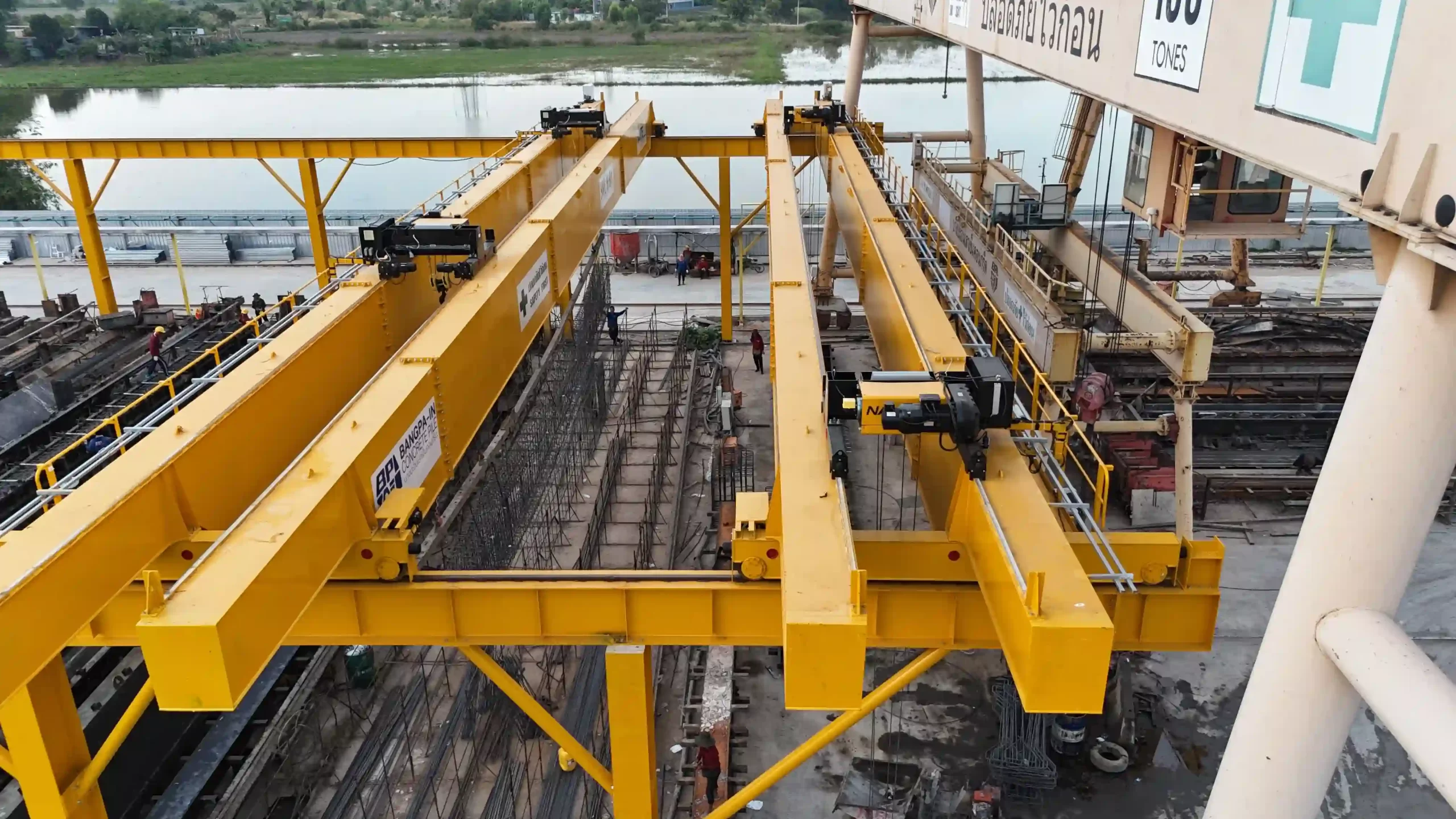
Overhead cranes, often known as bridge cranes, have a fixed bridge girder that moves along raised runway beams. These beams attach to building frames or standalone supports. They give accurate load handling in set areas and offer strong lifting power.
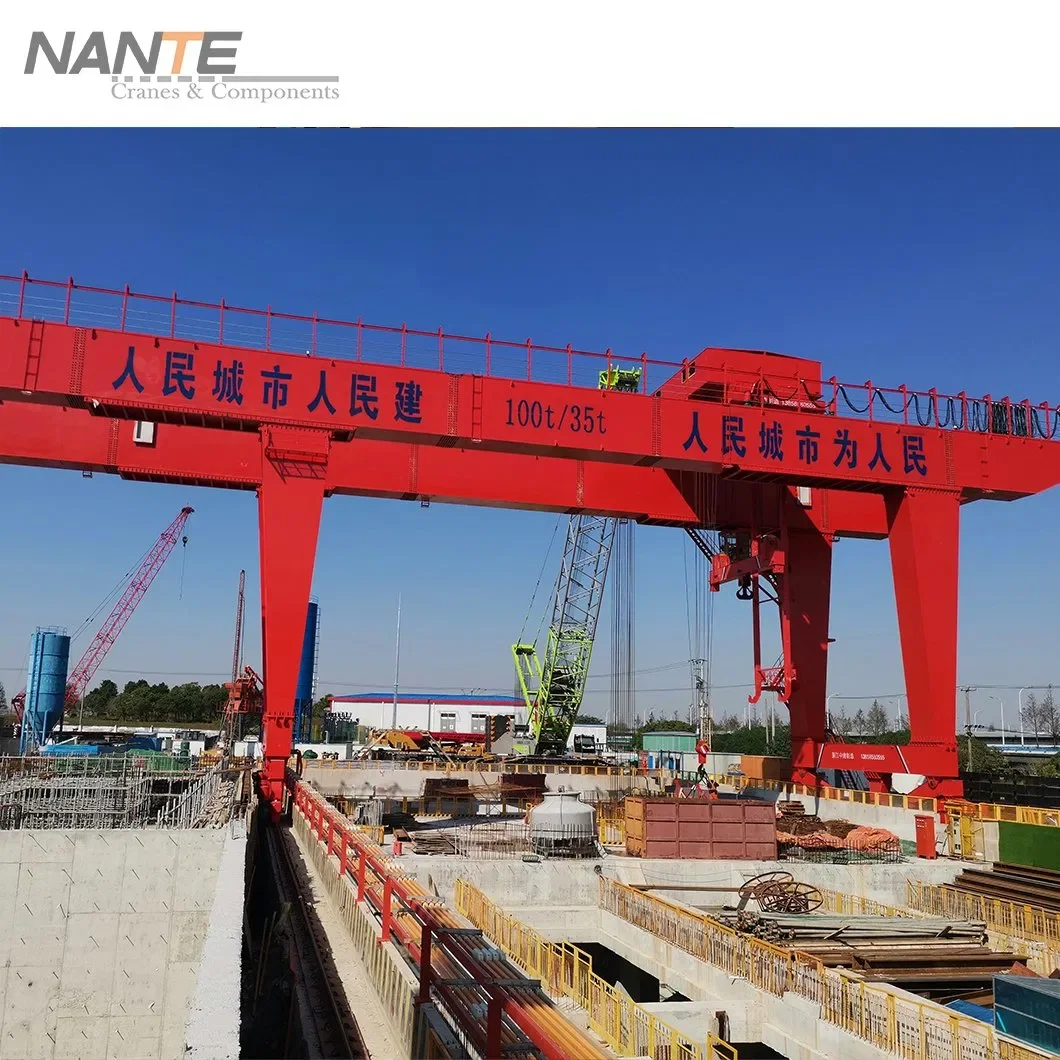
Gantry cranes have a standalone frame with legs that hold up the bridge. They travel on ground rails, rubber tires, or wheels. This self-standing setup lets them move freely without changes to buildings.
In coastal applications, overhead cranes work well in indoor or partly covered spots. Examples include port warehouses, maintenance hangars, or sheltered docks. Here, some shielding from weather cuts down on exposure.
Gantry cranes shine in open yards, shipyards, quaysides, or building sites. They bring flexibility for changing tasks in bare marine areas.
Exposure differs a lot. Gantry cranes face straight salt-filled winds and spray because they stay outdoors and move around. Overhead cranes gain from roof or wall covers. This lowers the overall strength of corrosion.
Corrosion Challenges in Marine and Coastal Environments
Salt Spray and Atmospheric Exposure
Airborne salt bits in coastal areas cause strong pitting corrosion on steel parts. Chlorides break through protective covers. They start rust that moves fast to beams, hoists, cables, and wheels.
This steady contact cuts crane life sharply. It raises the chance of breakdowns during key lifts. It also pushes up long-term costs in ports and harbors.
Humidity, Condensation, and Temperature Fluctuations
High humidity leads to ongoing condensation on cool surfaces. This happens inside enclosures and hidden spots. It encourages hidden rust.
Daily temperature swings cause parts to expand and shrink. This cracks coatings. It lets moisture go deeper and makes damage worse.
Structural Corrosion Risks
Welds, bolted joints, and moving pieces act as weak spots. They face crevice and galvanic corrosion easily. Poor drainage holds water. This speeds up damage in small areas.
Unprotected carbon steel parts break down quickly. This can harm structural strength and safety during work.
Anti-Corrosion Design Strategies for Cranes
Protective Coating Systems
ISO 12944 C5-M (very high corrosivity, marine) sets strict rules for protection in coastal and offshore places. It aims for 5–15+ years of lasting power or longer with good application and care.
Common multi-layer setups include: zinc-rich epoxy primer that gives cathodic protection, high-build epoxy middle layer that builds a thick shield against entry, and polyurethane or polysiloxane finish coat that fights UV, chemicals, and wear.
These setups reach thicknesses often above 280–500 µm for air exposure. They offer strong sticking power and bend well to deal with mechanical strain.
Hot-dip galvanizing adds to coatings in very harsh cases. It gives sacrificial zinc defense that works great close to saltwater.
Material Selection – Stainless Steel vs Carbon Steel
Carbon steel brings lower costs and great strength for main structures. But it depends a lot on coatings or galvanizing to fight rust.
Stainless steel, especially types like 316 or duplex (e.g., 2205), brings built-in better resistance to pitting and crevice corrosion. This comes from high chromium that forms a passive oxide layer.
In marine environments, stainless beats carbon steel by a large margin. This shows clearly for fasteners, handrails, exposed fittings, or risky spots.
Hybrid setups mix carbon steel main frames with stainless details. This balances cost and boosts lasting power.
Electrical and Mechanical Protection
IP65 or IP66 enclosures protect motors, control panels, and electronics from dust and strong water streams. This matters a lot against saltwater entry.
Corrosion-resistant festoon systems, sealed cables, and marine-grade hardware keep electrical parts solid.
Galvanized or stainless wheels, rails, and pieces cut down on wear and sticking in salty settings.
Overhead vs Gantry Cranes: Direct Comparison for Coastal Projects
Exposure and Maintenance Differences
Overhead cranes in covered setups meet medium exposure. They usually need fewer checks and touch-ups.
Gantry cranes in open spots face strong direct spray. They call for stricter regular cleaning, coating fixes, and part reviews to keep up good work.
Installation and Flexibility
Overhead cranes need building ties like runway supports. This fits fixed, very accurate setups in covered areas.
Gantry cranes set up on their own. They offer easy movement and adjustment for changing coastal sites without overhead setups.
Decision Table
| Factor | Overhead Crane | Gantry Crane | Better for Coastal Projects? |
|---|---|---|---|
| Typical Environment | Indoor or covered outdoor | Open outdoor yards/ports | Gantry (more flexible) |
| Corrosion Exposure | Moderate (partial shelter) | High (direct salt spray) | Overhead if sheltered |
| Mobility/Flexibility | Fixed installation | Mobile/portable | Gantry |
| Load Capacity | Higher (up to heavy industrial) | Versatile, often lower-max | Overhead for heavy lifts |
| Anti-Corrosion Needs | Standard C5-M coatings sufficient | Enhanced (galvanizing + stainless) | Both require C5-M |
| Maintenance Frequency | Lower in sheltered areas | Higher due to exposure | Overhead |
| Best Coastal Use | Shipyard warehouses, covered docks | Open ports, shipyards, construction | Depends on site |
When to Choose Overhead or Gantry Cranes for Coastal Projects
Pick overhead cranes for steady, high-load cases in partly covered spots—like port warehouses or covered shipyard areas. Here, precise load control, firmness, and less exposure beat the need to move them.
Select gantry cranes for open, changing work in fully bare docks, yards, or building zones. These need movement, simple changes, and no ties to fixed builds.
Check site details: layout limits, max loads, wind forces, budget for advanced anti-corrosion crane design, planned upkeep access, and expected life span.
Both types need C5-M level protection in marine settings. Yet the harshness of the environment and work needs decide the best one.
Frequently Asked Questions (FAQ)
Which crane is better suited for coastal environments?
Gantry cranes give better flexibility for open coastal sites. Still, both need strong anti-corrosion crane design with C5-M coatings. Overhead cranes tend to do well in covered areas because of less direct contact.
How important is C5-M coating in marine crane selection?
Very important—C5-M gives top-level coastal crane corrosion protection against salt spray, humidity, and chlorides. It brings longer lasting power in tough marine air.
Can stainless steel replace coatings entirely?
No—although stainless offers great natural resistance, combining it with good coatings boosts results in hard conditions like steady salt contact.
What maintenance is needed for coastal cranes?
Do regular visual checks, coating fixes, oiling of moving pieces, salt wash-off, and drainage reviews. Focus on sealed parts and quick touch-ups to stop fast failure.
Ready for Customized Anti-Corrosion Crane Solutions?
For expert guidance on overhead vs gantry cranes for coastal projects, trust Nante Crane. As a leading manufacturer, Nante Crane specializes in tailored overhead cranes (single/double girder) and gantry cranes (including workstation and offshore models) with advanced anti-corrosion features like C5-M coatings, stainless elements, and IP-rated protections. Visit https://www.nantecrane.com/ to explore our range, including overhead crane details at https://www.nantecrane.com/category/overhead-crane/#zhuti and gantry options at https://www.nantecrane.com/category/gantry-crane/#zhuti. Contact us today for personalized corrosion-grade recommendations and get a quote for your marine project!