English



How to Choose an Energy Efficient Electric Hoist to Reduce Your Power Costs
How to Choose an Energy Efficient Electric Hoist to Reduce Your Power Costs
Date: 2025-12-04 Share:
Electric hoists usually eat up more power than any other part of an overhead or gantry crane. They play a big role in monthly electricity bills and factory carbon footprints. Picking a truly energy efficient electric hoist can slash running costs over the years, especially when you choose motors rated IE2 or IE3. Here, we look at how hoists use power, explain motor efficiency levels, compare real lifetime electricity costs, and give you an easy checklist to make smart buying choices.
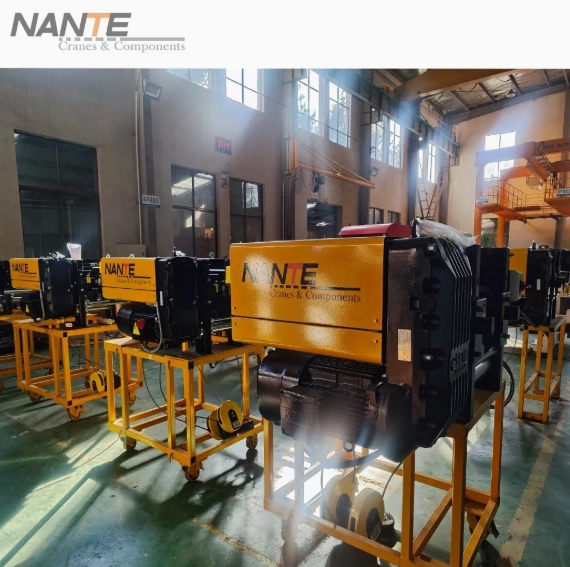
Why Electric Hoists Matter for Energy Consumption
In most crane systems, the lifting part needs the most electricity. Moving left-right or forward-back uses small motors that run only now and then. Lifting heavy loads straight up demands much more force and keeps the motor working hard the whole time. That makes the hoist the main power user and the best place to save energy.
A regular electric hoist has a few key parts that need electricity: the hoist motor, gearbox, drum, electromagnetic brake, and control box. The motor turns electricity into movement. The gearbox and drum turn that movement into real lifting strength. The brake holds everything safely when stopped. The control box runs contactors or inverters that also use a little power.
How much electricity it uses changes with load size, how often it lifts, and lifting height. Many factory hoists have motors of several kilowatts or bigger, especially in tough workplaces. Even lighter-duty units add up to a lot of power when they run many cycles every hour across several shifts.
Not every watt that goes in actually lifts the load. Some energy gets wasted as heat in the motor, friction in the gearbox, brake heat, or electrical losses. Better motor and mechanical efficiency means less waste and lower bills.
Understanding Motor Efficiency Classes: IE2 vs IE3
What Are IE Efficiency Classes?
IE classes come from International Electrotechnical Commission (IEC) rules. They show how well a motor turns electricity into useful work. The ratings you see most on hoists are:
- IE1 – Standard Efficiency
- IE2 – High Efficiency
- IE3 – Premium Efficiency
- IE4 – Super Premium Efficiency
Efficiency is simply useful power out divided by electricity in. Heat, vibration, and resistance steal some energy. When a hoist lifts over and over every day, even tiny efficiency gains add up to big yearly savings.
Differences Between IE2 and IE3
Moving from IE2 to IE3 usually gives 2–4% better efficiency. That small jump sounds minor, but over thousands of running hours it saves a lot.
IE3 motors reach higher numbers thanks to better parts like:
- More copper in the windings
- Better electrical steel sheets
- Smarter rotor shape · Less stray losses and friction
- Less heat created
Less heat also means the insulation and bearings last longer, so the motor needs less repair work.
In many countries, new rules push or demand IE3 motors for factory use. Even where it is not required, more companies choose IE3 because electricity is expensive and they want to meet green targets.
Comparing Lifetime Electricity Costs
The price tag on the hoist is just the start. Total Cost of Ownership (TCO) covers running hours, repairs, and especially power use. Over ten or fifteen years, electricity can cost many times more than the hoist itself.
Simple calculations prove that switching from IE2 to IE3 often pays back in only a few years if the hoist works a lot. Since hoists run during almost every production minute, small gains grow fast.
Take a motor that runs several thousand hours yearly. A 2–4% better efficiency cuts kilowatt-hours and drops the bill right away. In places with high power rates or tough green goals, the money saved feels even bigger.
Some modern cranes can even give power back when lowering loads. Special drive systems turn the falling weight into electricity again. Studies show regenerative systems can cut total power use by up to 40% when the job fits. Not every hoist has this feature yet, but it is getting popular in busy factories.
How to Evaluate and Specify Energy-Efficient Hoists
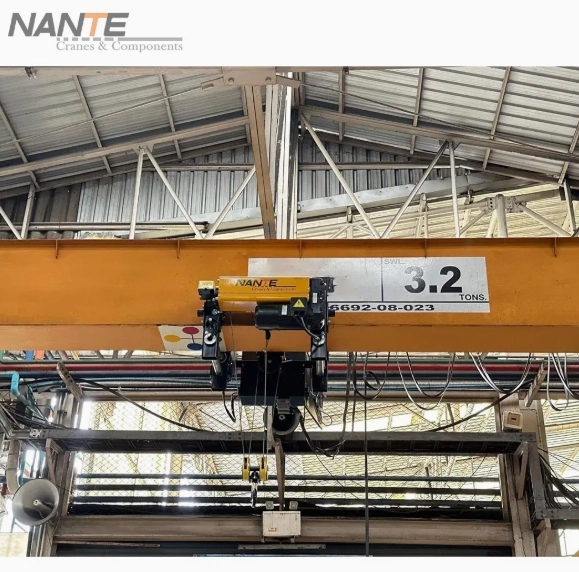
Buying teams need a clear way to check energy-saving hoists. Look closely at these areas:
Motor & Drive System · Make sure the motor is IE3 or higher.
- Check it works well with variable-frequency drives (VFDs).
- Look for soft-start and low starting current to ease the load on the grid.
- Good motors stay cooler and waste less heat.
Mechanical Efficiency
- Choose helical or planetary gearboxes—they lose less power.
- Check that drum, bearings, and rope sheaves are machined accurately so friction stays low.
- Good lubrication keeps parts running smooth longer.
Control & Safety Systems
- Overload protection and temperature sensors keep things safe and efficient.
- Precise speed control makes lifting smoother and uses less energy.
- Some units offer live energy monitoring or smart sensors.
Operational Fit
- Pick the right duty class using FEM/ISO rules.
- Do not buy a bigger hoist than needed—extra size wastes power.
- Think about dust, heat, or humidity that might hurt motor performance.
This simple list helps make energy savings part of the buying decision from day one.
Environmental and Cost-Saving Impact in Practice
Switching to energy-efficient electric hoists brings quick wins and lasting rewards:
- Less electricity used means lower monthly bills.
- Smaller carbon footprint helps meet ESG and net-zero promises.
- Cooler-running motors last longer and break down less.
The extra cost up front usually pays back fast in busy plants. A hoist running round the clock can save thousands of kilowatt-hours each year. Across many lines or workstations, those savings really add up. When power is one of the biggest factory costs, smart equipment gives a real edge.
Partner with Nante Crane: Elevate Your Lifting Solutions Today!
Nante Crane is a professional manufacturer and wholesale supplier focusing on cranes and hoisting equipment.
The company puts serious money into research and development. They work on high-efficiency structures, smart controls, and green design. Their range covers wire rope hoists, chain hoists, open winches, and full lifting systems. Popular series like NHA and NHC wire-rope hoists feature light weight, smooth power transfer, and proven long life.
Nante Crane also follows green factory practices and responsible growth. They blend energy-saving ideas with solid engineering to deliver safe, efficient, and earth-friendly solutions.
Contact Nante Crane for custom advice or ask for a detailed cost comparison between IE2 and IE3 models. Download catalogs or set up an engineering talk to find the best fit for your plant.
FAQ
Q: What is the payback period for upgrading from IE2 to IE3?
A: In busy applications, the extra cost often pays back in 2–4 years through lower power use.
Q: Can hoists recover energy when lowering loads?
A: Yes. Regenerative lowering systems turn the dropping weight back into electricity and cut total power needs.
Q: Are IE3 motors mandatory?
A: Many areas now demand IE3 motors for industrial equipment within certain power sizes.
Q: Does higher motor efficiency reduce performance?
A: No. IE3 motors deliver equal or better torque, run cooler, and last longer.